
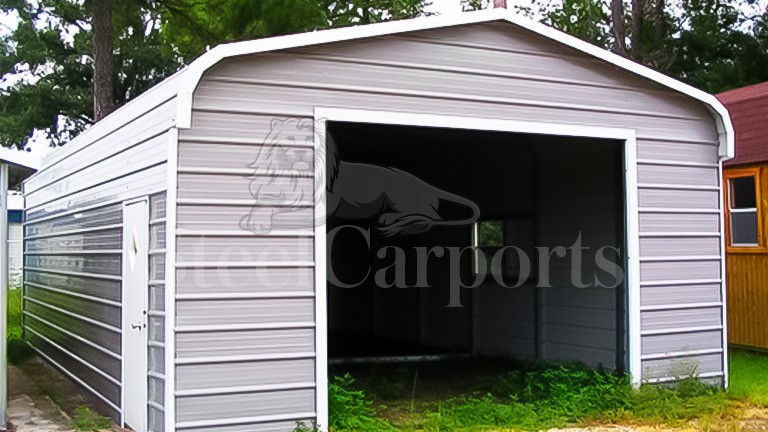
SC82
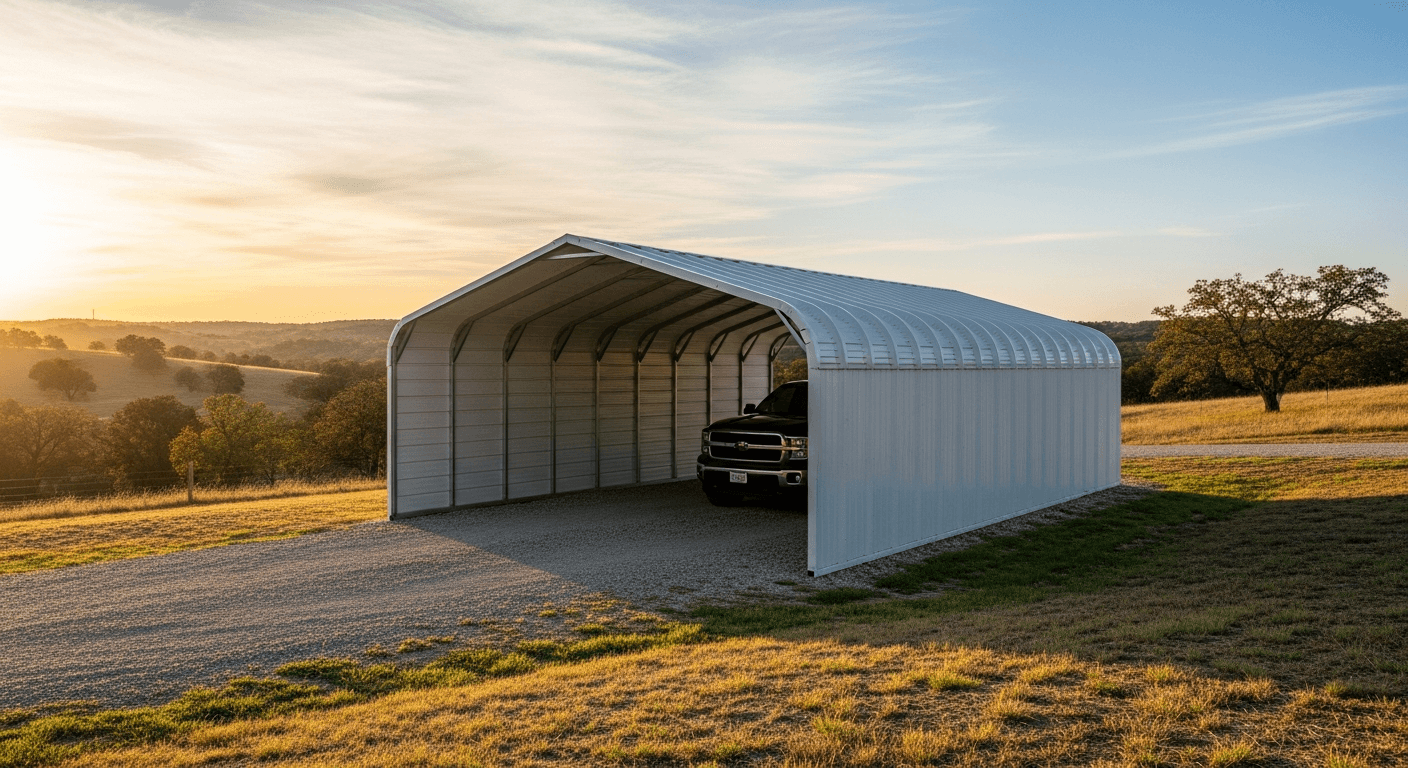
Regular Roof Garages · Regular roof
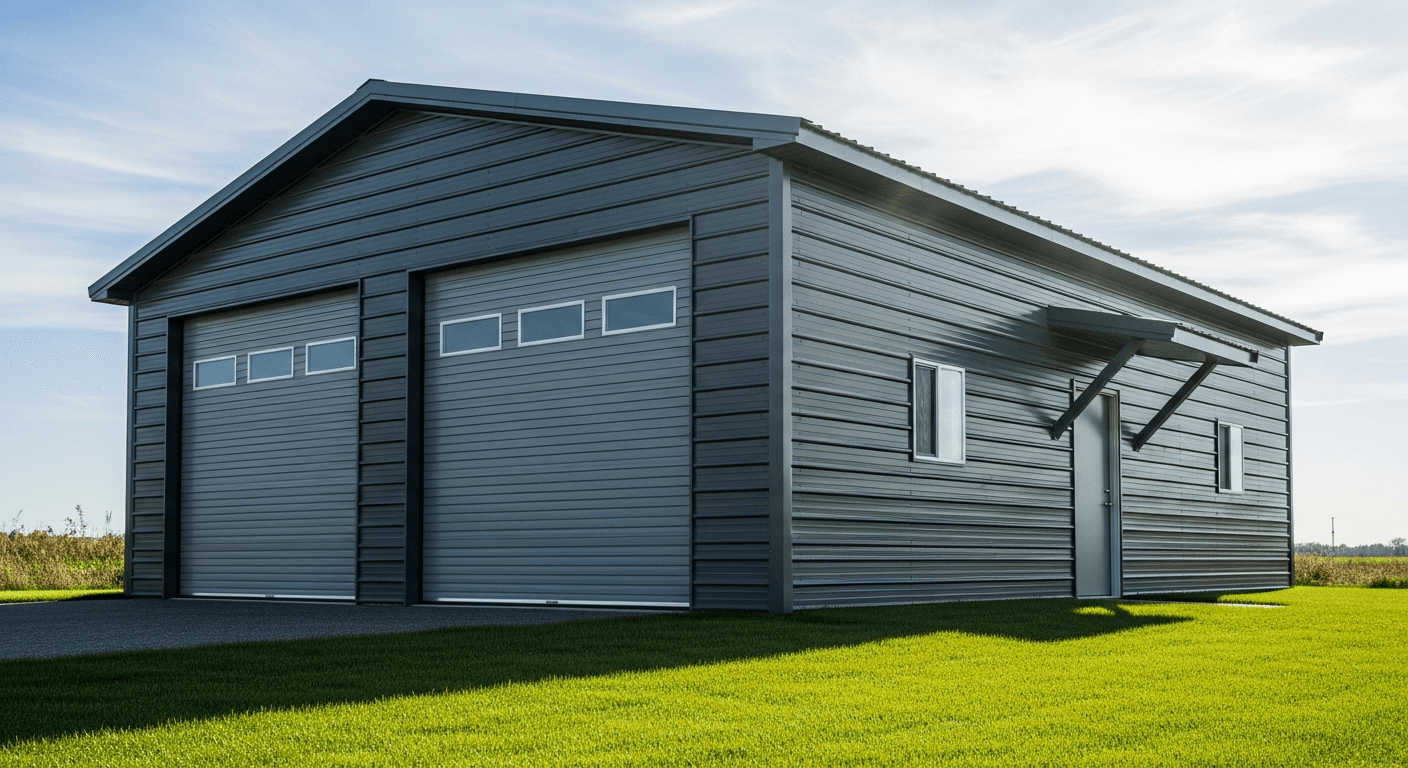
12′x26′x7′ Regular Style Garage
Sq ft
312
Bays
1
Eave
7′
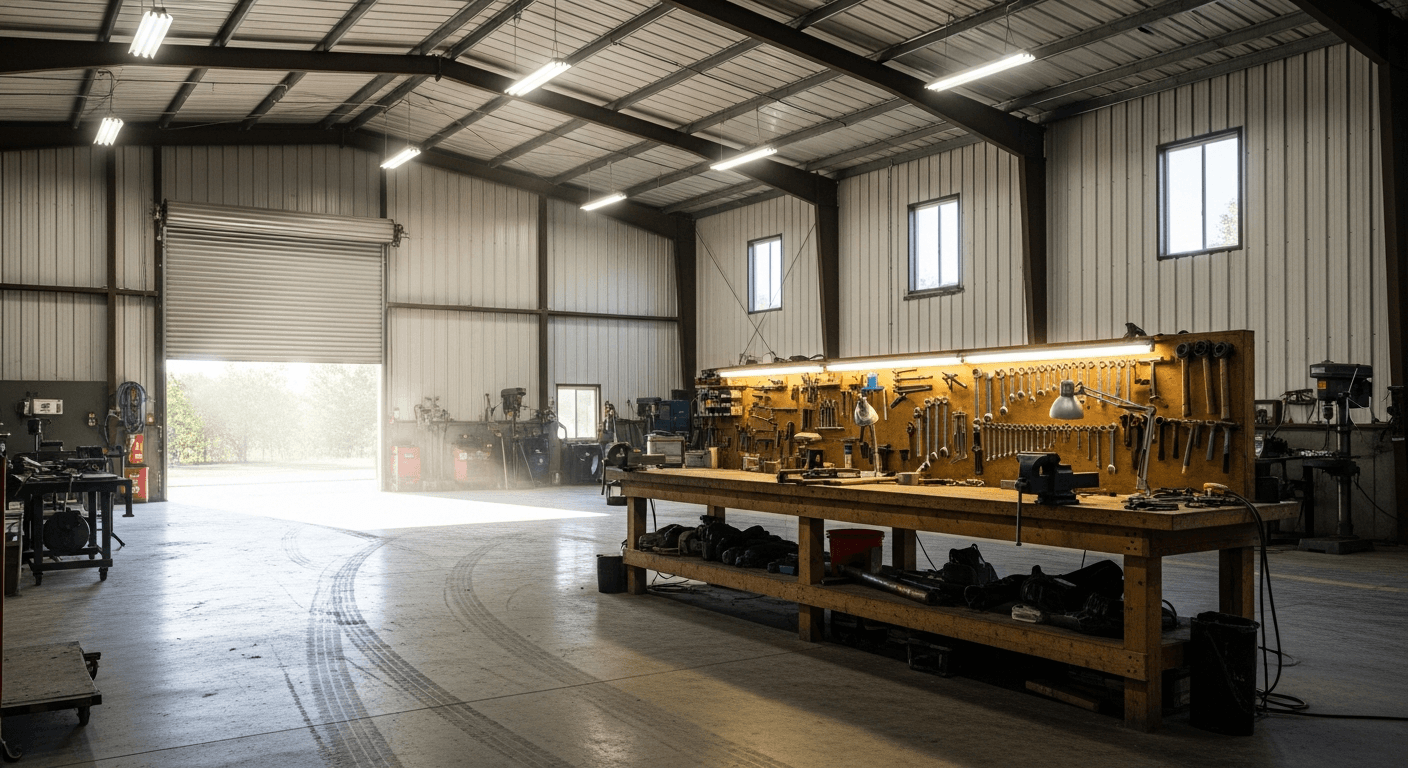
PopularTwo-car daily-driver garage with a workbench wall
AlsoGreat for lawn equipment.
From $95/mo · 5 yr · 6.9% APR
In West Virginia the building is rarely the hard part — the ground is. A level pad has to be cut before anything is anchored, and a truck has to be able to reach it. Get those two settled and the rest is straightforward: a galvanized frame, a roof certified for what your county's winter puts on it, and delivery and installation included in the price.

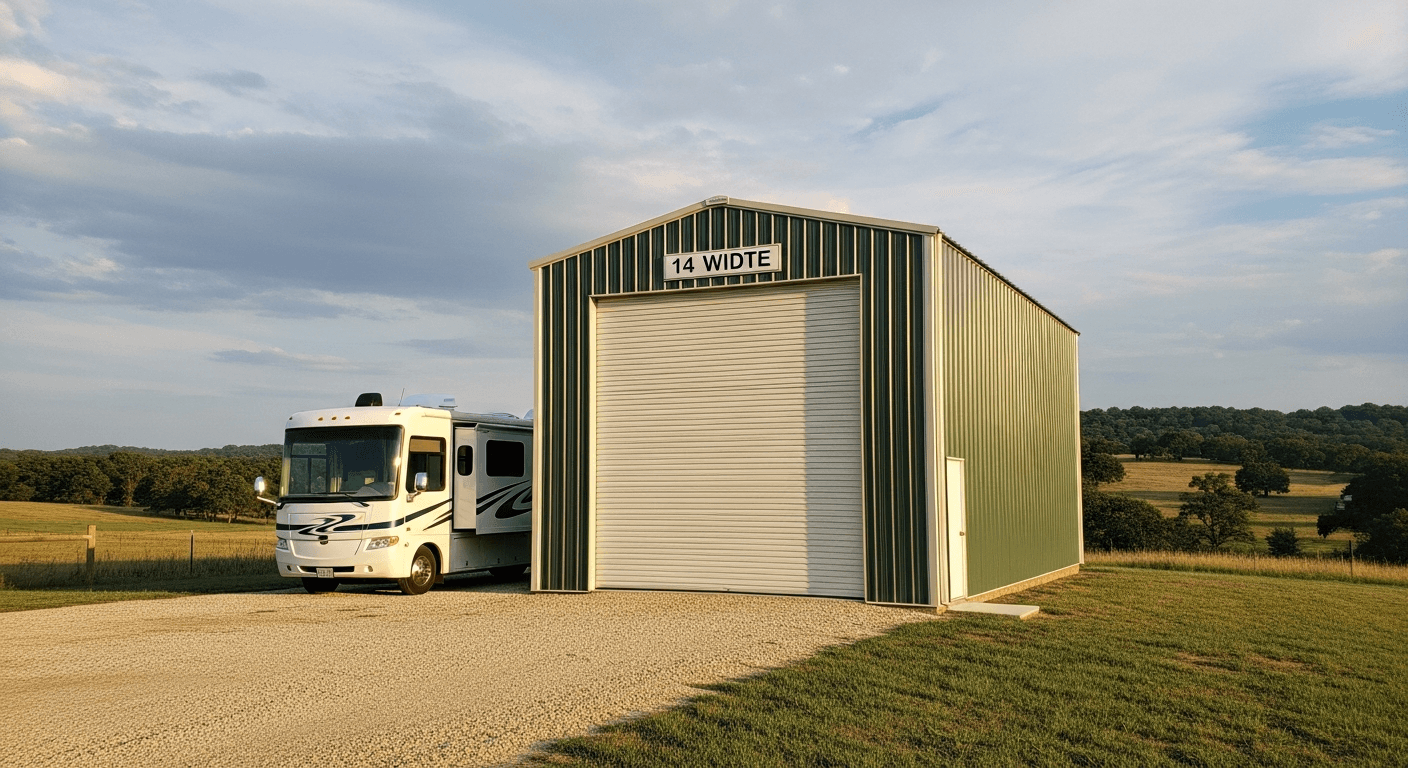
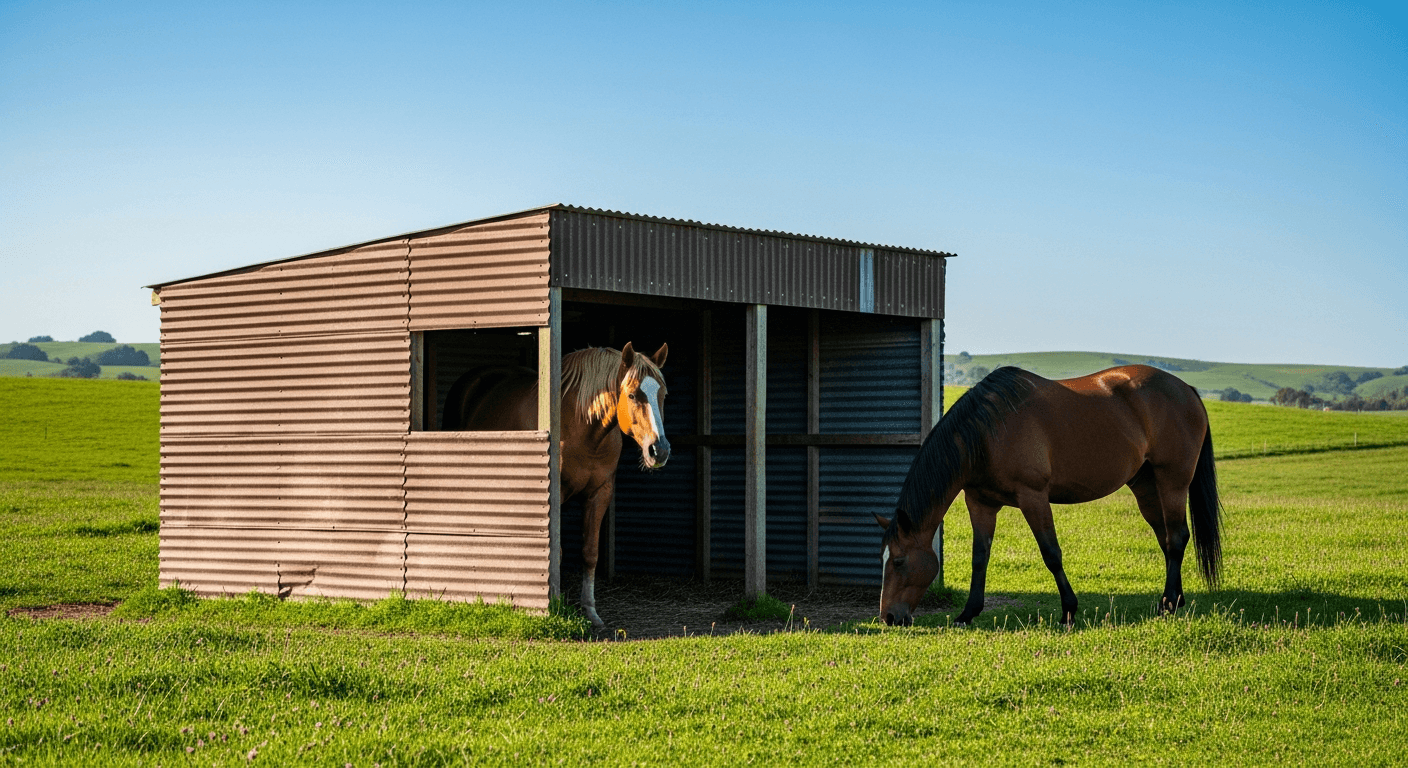
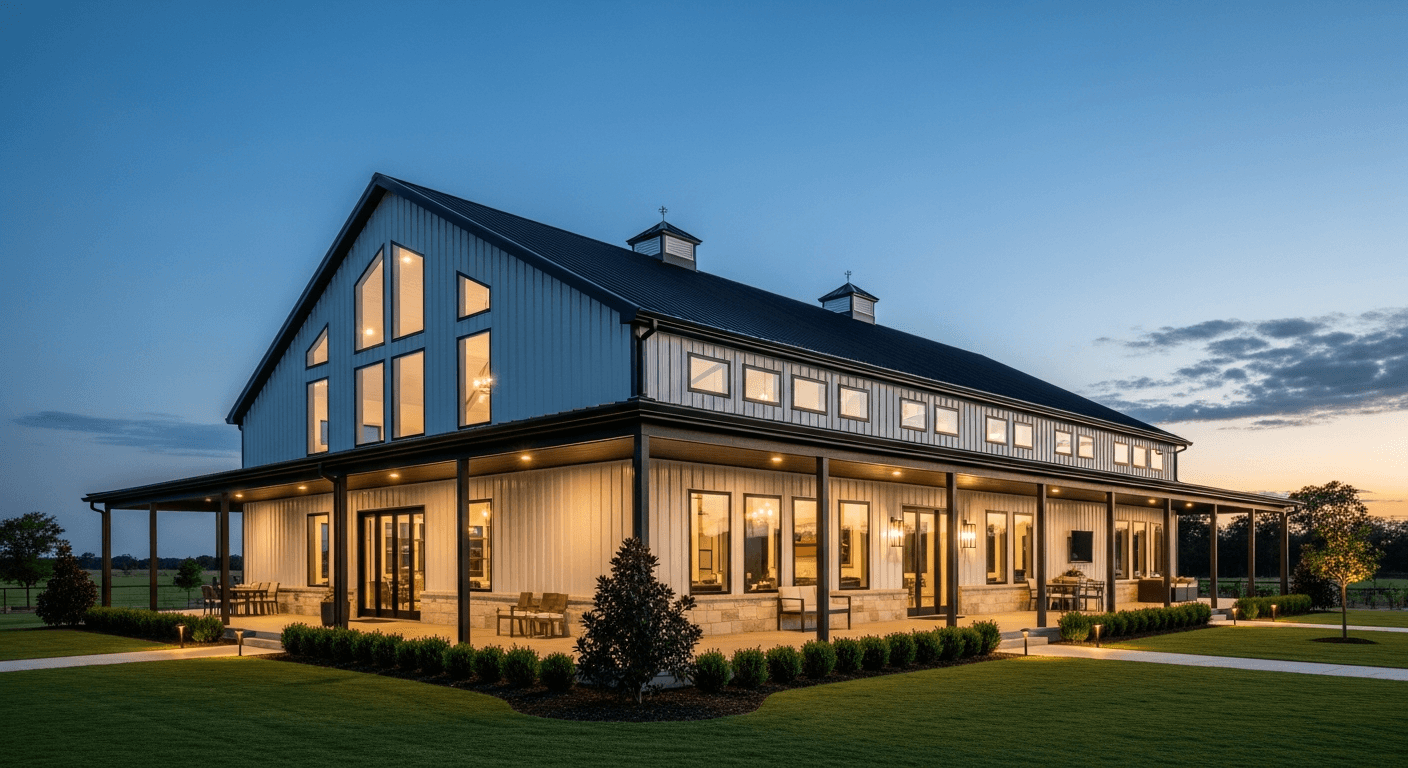
Tractors, ATVs and firewood. West Virginia stores it in steel. Galvanized steel, delivered and installed across West Virginia. Mountain snow on a cut pad. West Virginia steel holds it.
A spread across the building types West Virginia leads with. Delivery and installation are included, and the specification shifts with what your county requires.
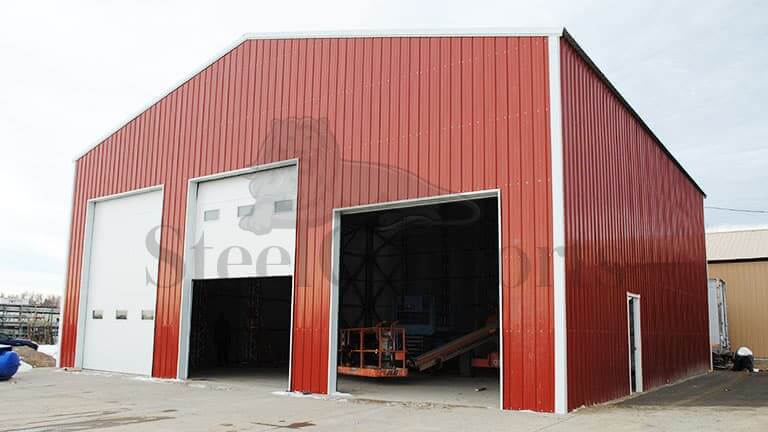
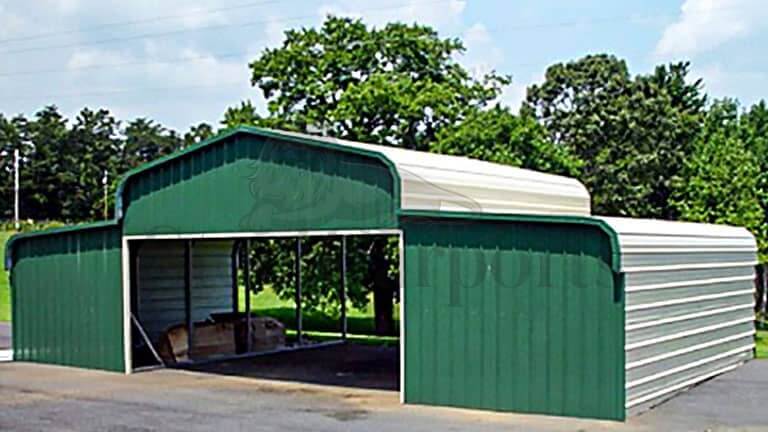
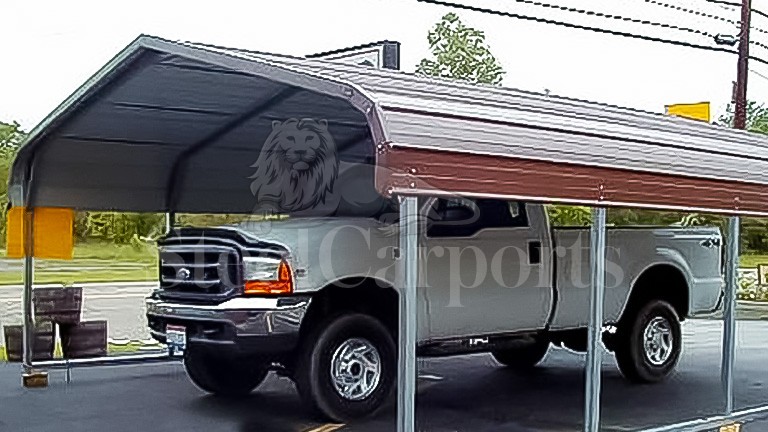
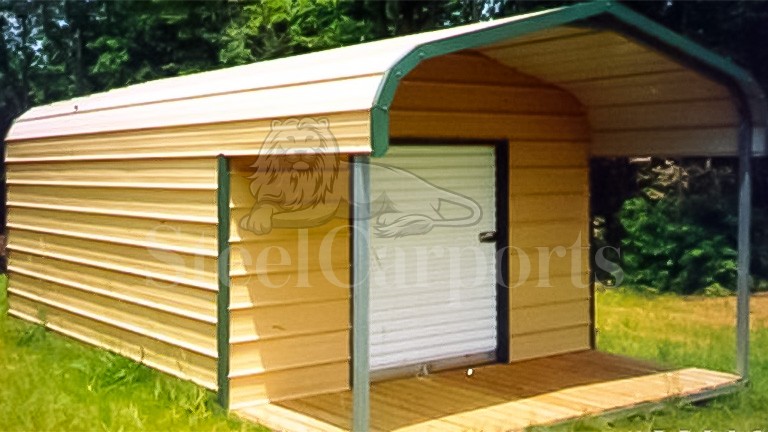
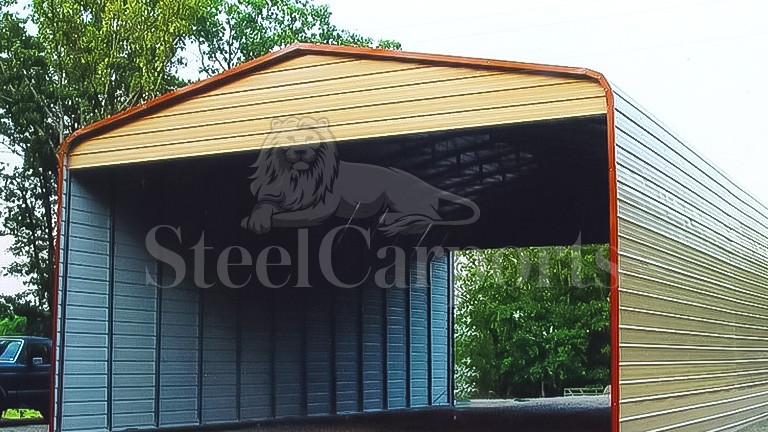
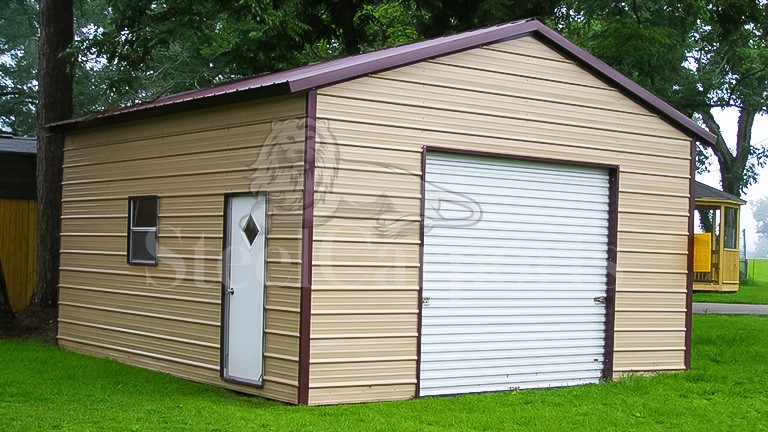
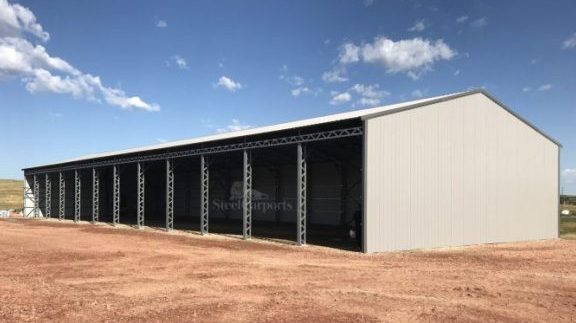
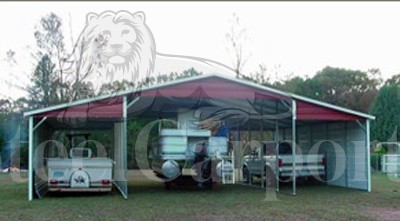
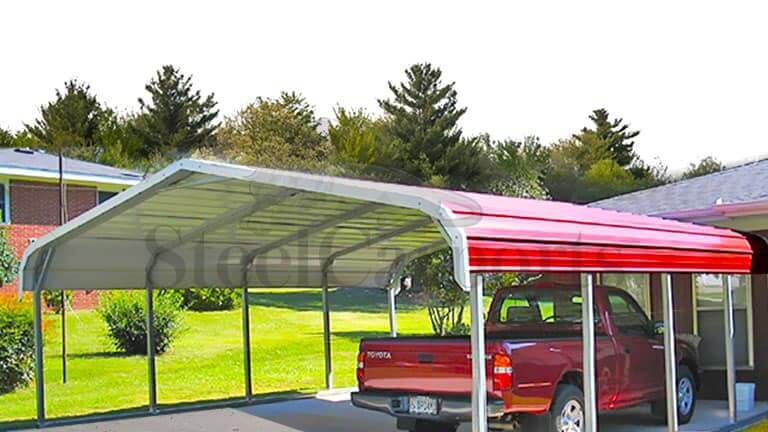
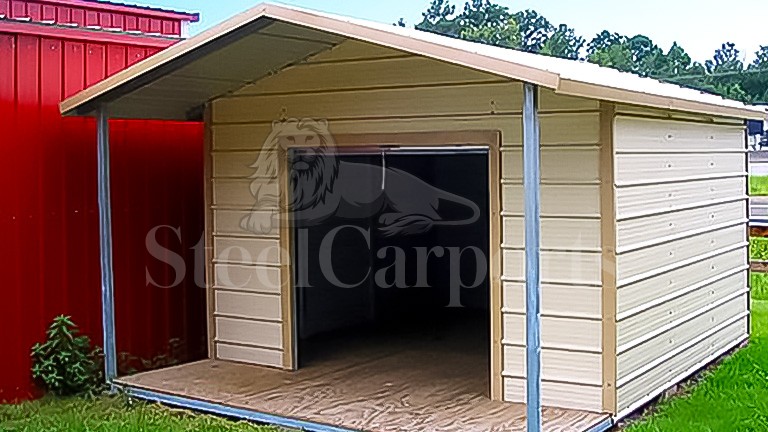
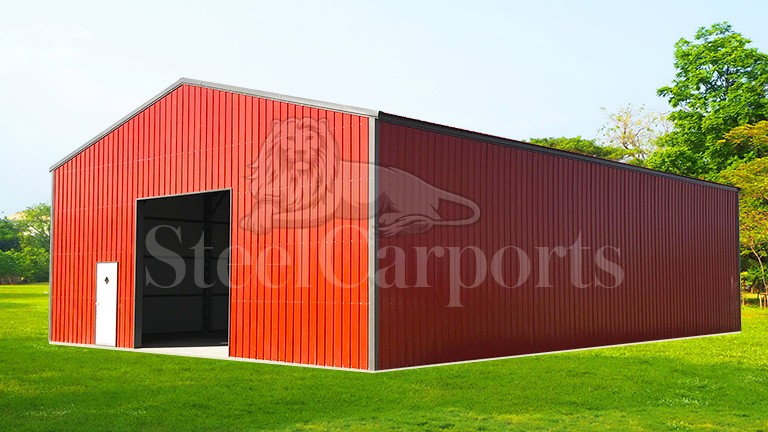
In most states this list starts with the structure. In West Virginia the first two entries are about the site, because that is where the money and the delays actually are.
Almost no West Virginia site is level to start with, and we do not do groundwork or foundations. Cutting and draining a pad on a slope is a real local cost — price it before you order, not after the crew is scheduled, because a site that is not ready is an install that does not happen.
Narrow roads, tight switchbacks, low bridges, overhead wires and tree cover are all normal here. Tell us what the last mile looks like on the first call and we will plan the delivery around it.
A certified building is engineered to the figures your county enforces, and the eastern highlands carry substantially more than the Ohio valley. Ice counts the same as snow, so this figure matters even in a mild year.
Most orders here end up enclosed — a lockable, dry building for tools, a tractor or firewood is worth more than a cover on ground where the weather comes at you sideways.
West Virginia's weather is set by elevation, and the state has a lot of it. Three bands, three different roof figures.
The mildest and most built-up part of the state, and the easiest ground to work with. Floodplain review along the Ohio and the Kanawha is the requirement most likely to affect where a building can sit.
Hillier and colder, with real winter. Snow load enters the certification here, and a sloping site is the norm rather than the exception — budget for cutting the pad before anything else.
The highest ground in the state takes serious snow, and the eastern panhandle is closer to the Washington commuter belt in how thoroughly it permits. Two different reasons to specify carefully.
Enclosed garages and shop buildings lead here. Six types, in the order they come up — start from the job, and we will talk about the site next.
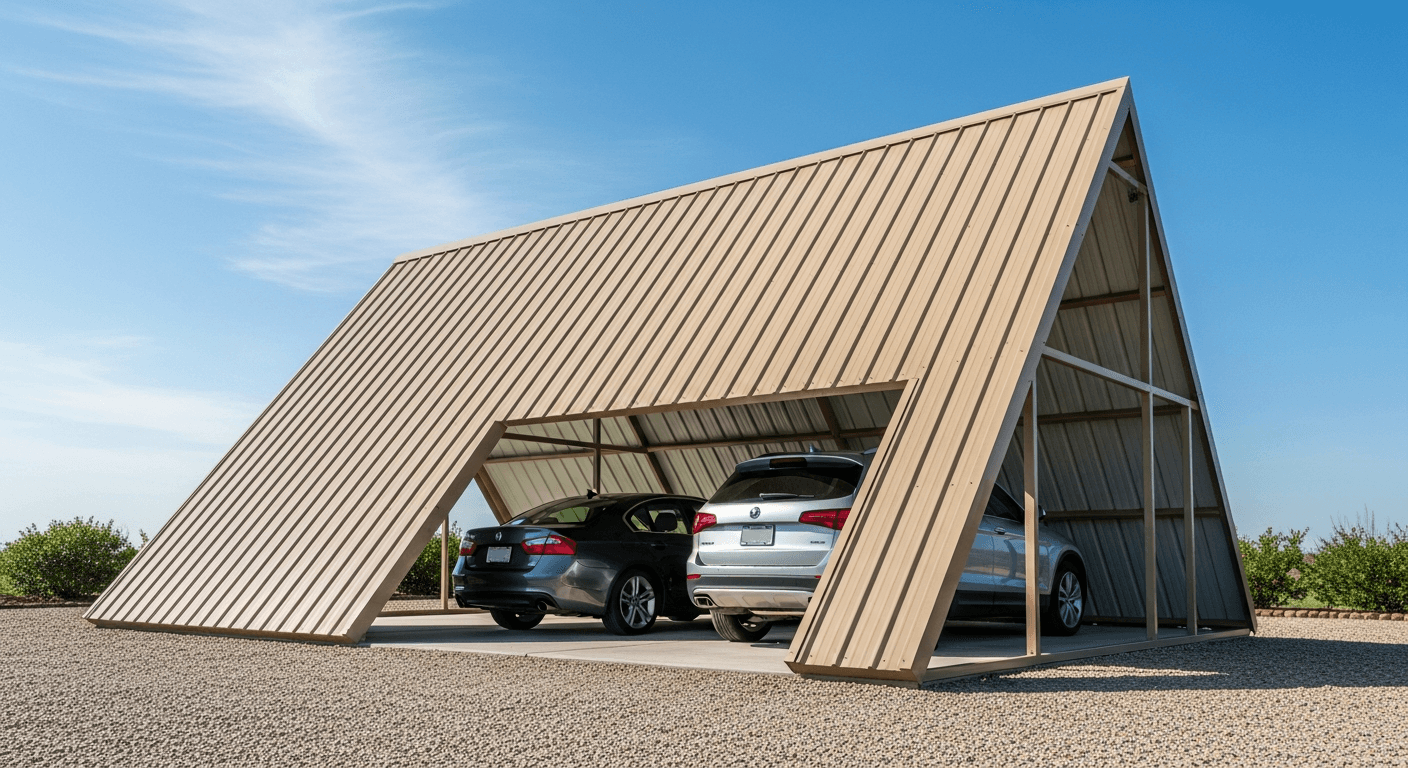
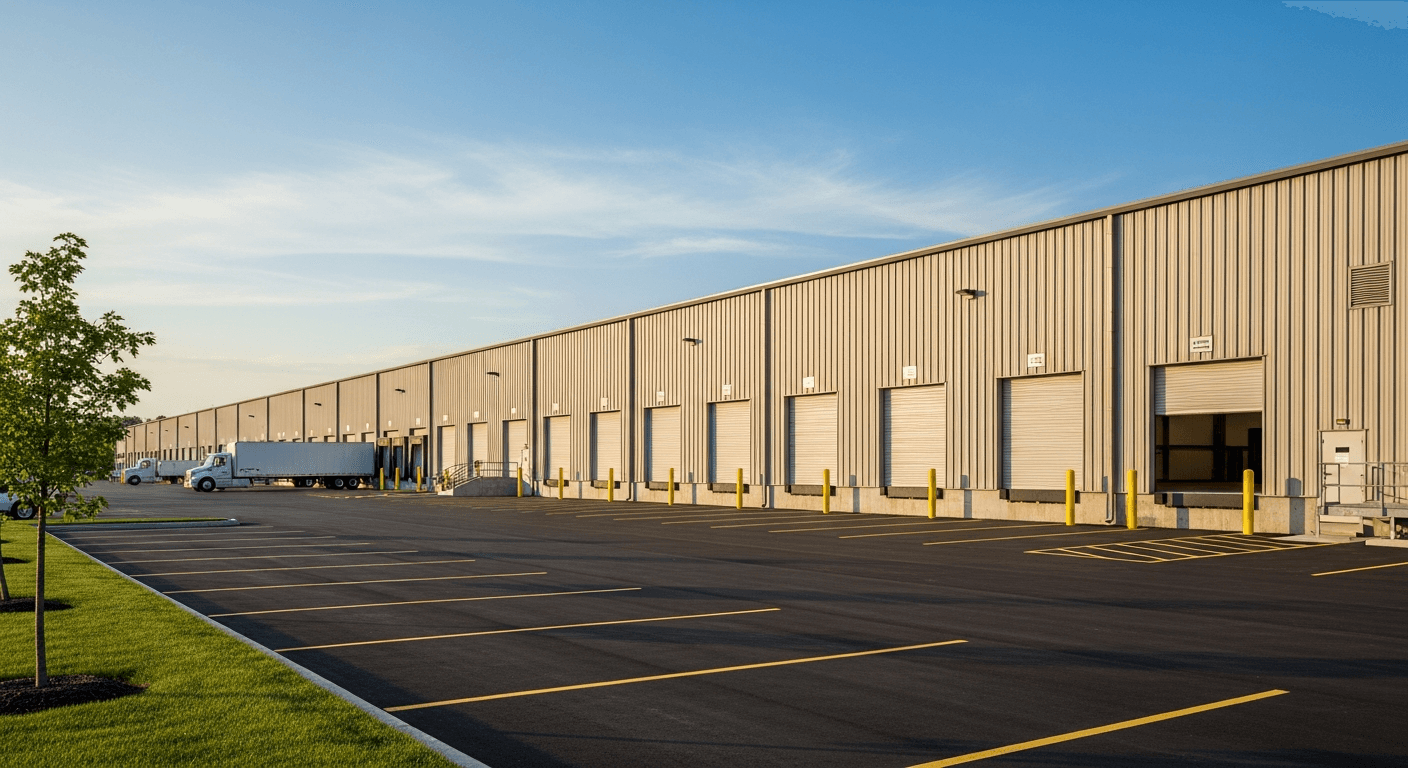
Most people know what has to go inside long before they know which building that is. Tell us what it has to do, and we'll match it — from an open carport to a fully enclosed commercial span.
Much of rural West Virginia asks for very little, but the rivers and the eastern panhandle are different. Find your county below.
Charleston, Huntington, Morgantown, Parkersburg, Wheeling and Martinsburg each run their own permitting, and Martinsburg and the eastern panhandle are the most thorough in the state.
Requirements vary widely and plenty of counties ask little. Floodplain rules along the rivers are the exception — they apply regardless, and they are what most often changes where a building can go.
Engineer-stamped drawings for any jurisdiction that requires them. Confirm what your county asks for, tell us what it is, and we certify the building to it with the cost of certification shown up front.
Search a city or a county and we'll tell you which one you're in and who issues the permit there. No form, no email.
* Design wind speed and ground snow load are declared by each jurisdiction — the International Residential Code prints both blank for the local authority to fill in (Table R301.2).
This is the list we publish, not a boundary. A town on it is certainly covered; a town missing from it is a question rather than a no. Search for yours below, and if it is not here, one call settles it before you spend anything.
The five or six things people ask before they order, answered for this state rather than in general.
Give us the county and what the building is for, and you'll get a price that reflects both — not a number off a national list.