
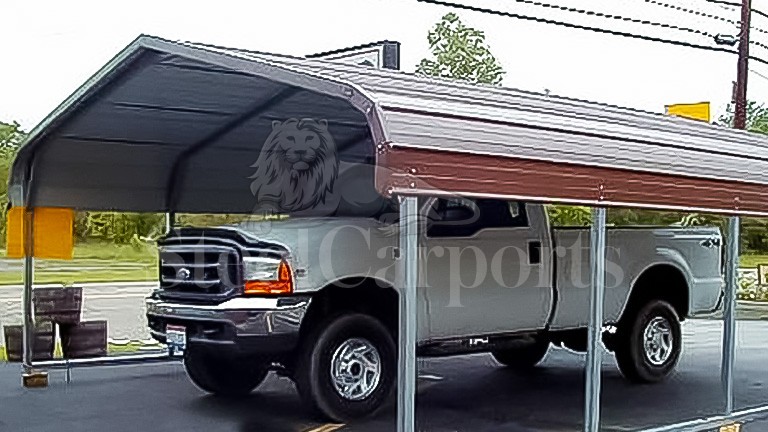
SC71
Regular Roof Carports · Regular roof
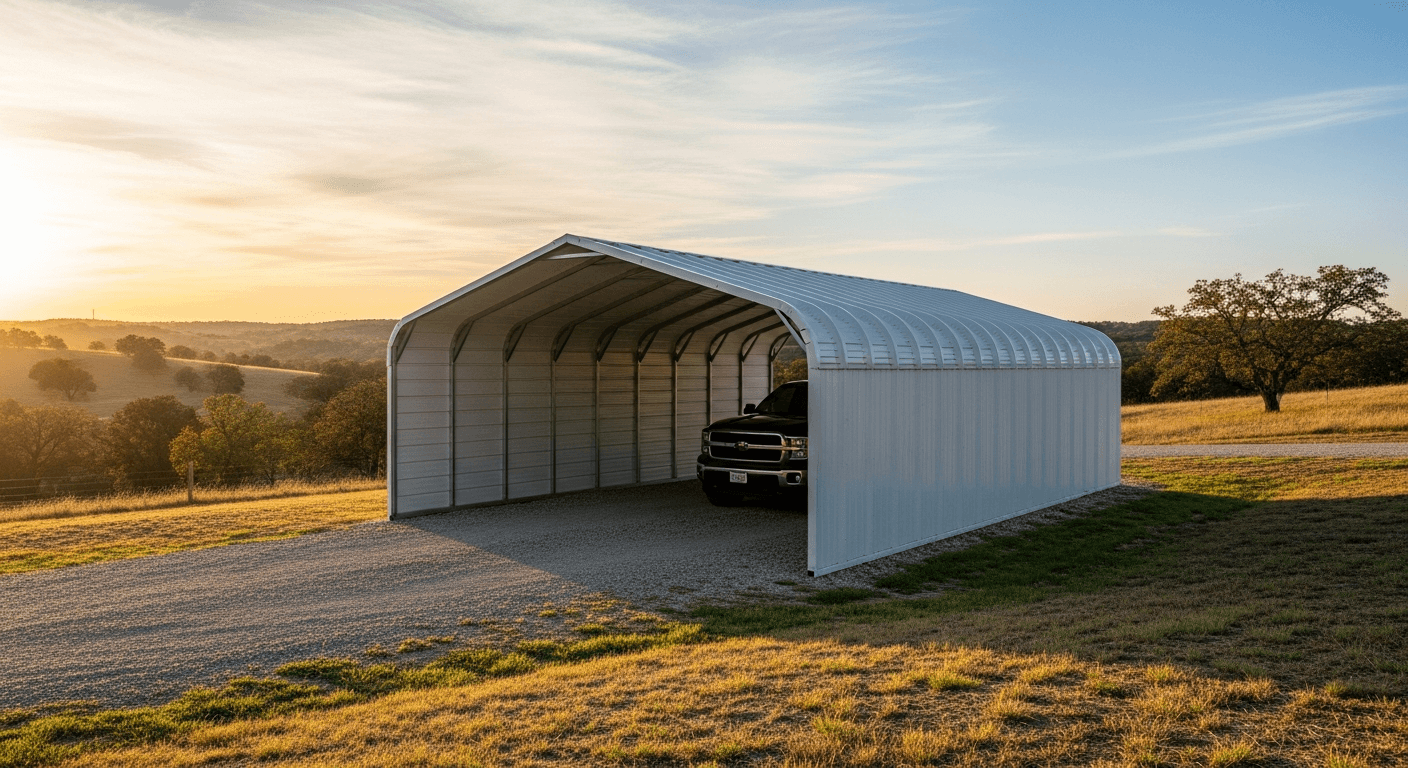
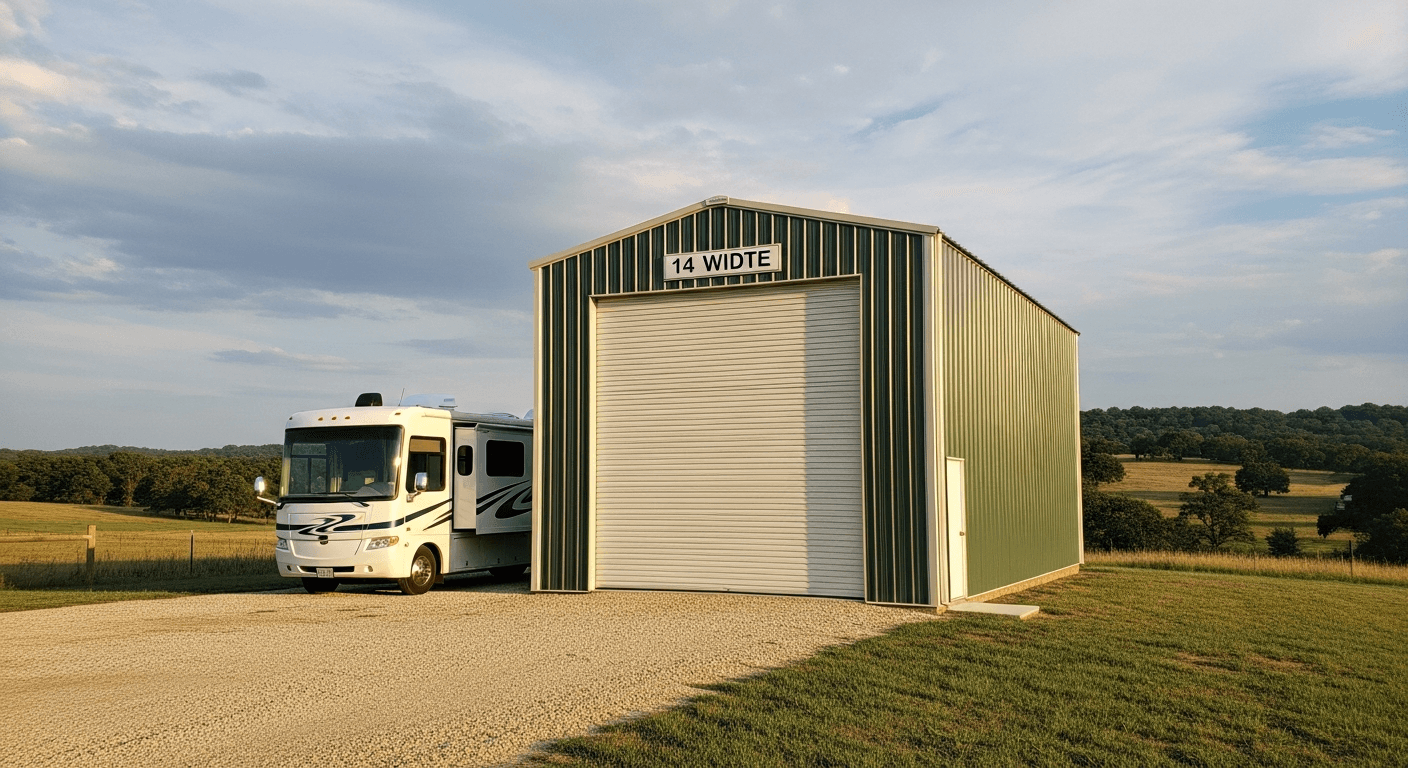
12′x21′x6′ Regular Style Carport
Sq ft
252
Bays
1
Eave
6′
PopularTruck and boat side-by-side under one cover
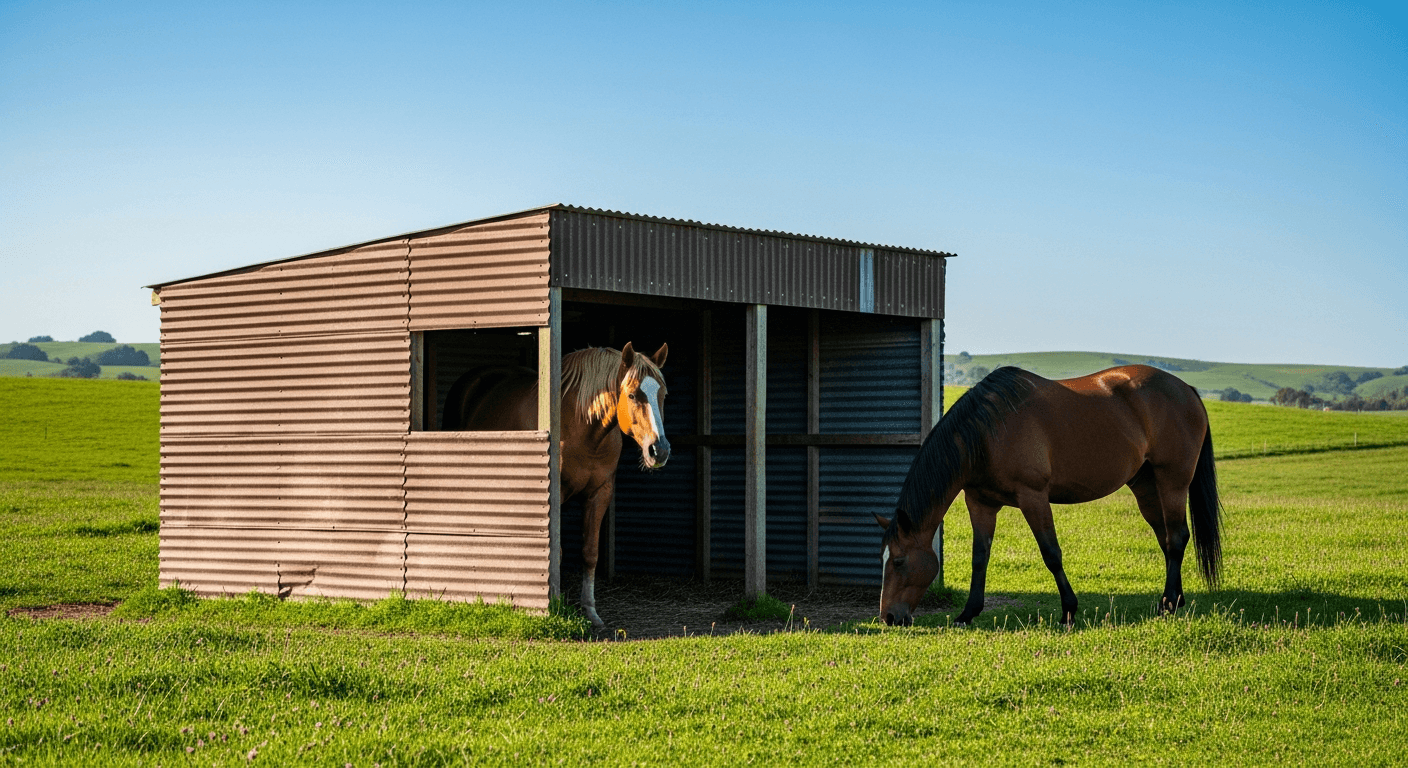
AlsoGreat for livestock shade.
From $30/mo · 5 yr · 6.9% APR
North Carolina runs 500 miles from the Outer Banks to the Smokies, and the same building does not suit both ends. On the coast the wind figure decides the engineering; in the mountains it is snow load and a site that needs cutting level; through the Piedmont it is usually the setback. Delivery and installation are included in the price.

Trucks, boats and tractors. North Carolina builds in steel. Galvanized steel, delivered and installed across North Carolina. Coast wind, mountain snow. One state, two steel specs.
A spread across the building types North Carolina leads with. Delivery and installation are included, and the specification shifts with what your county requires.
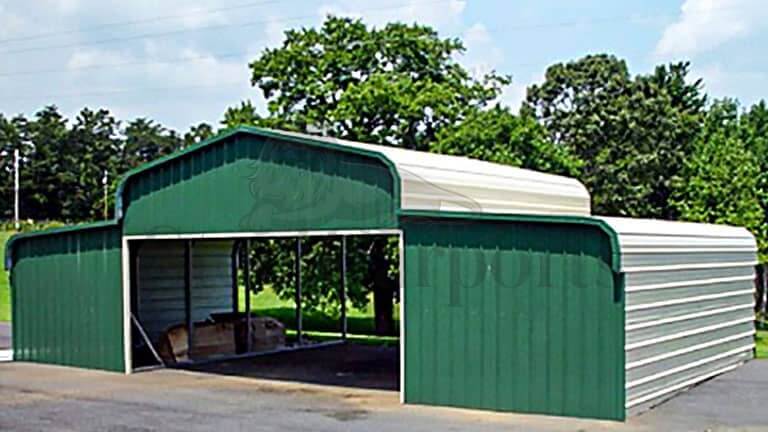
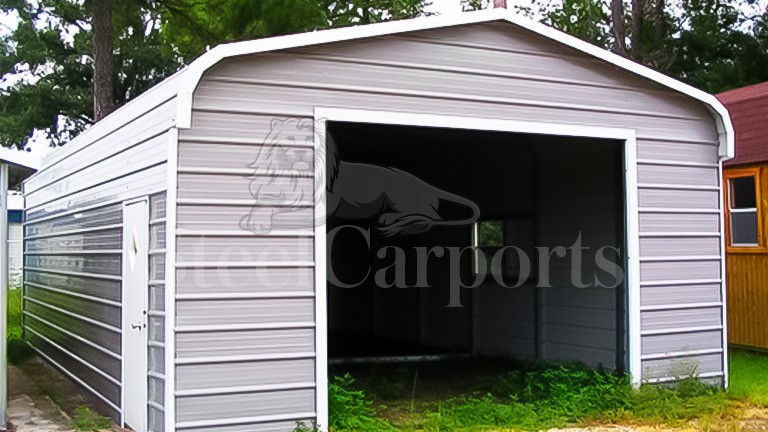
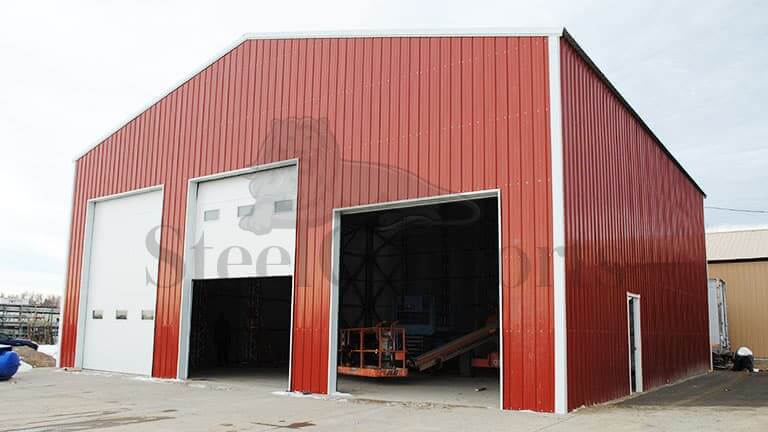
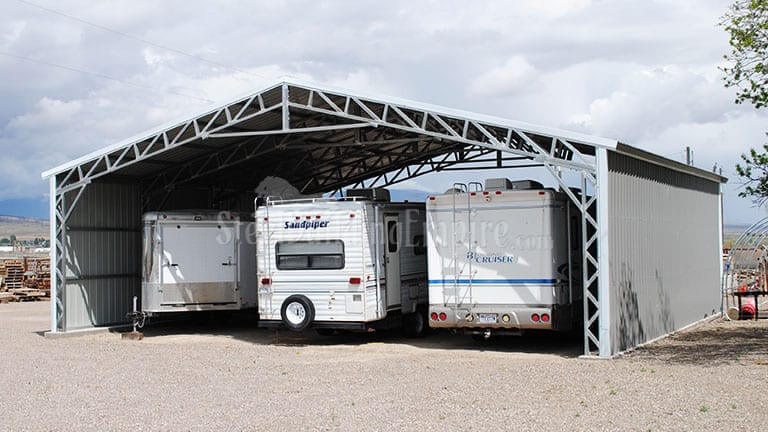
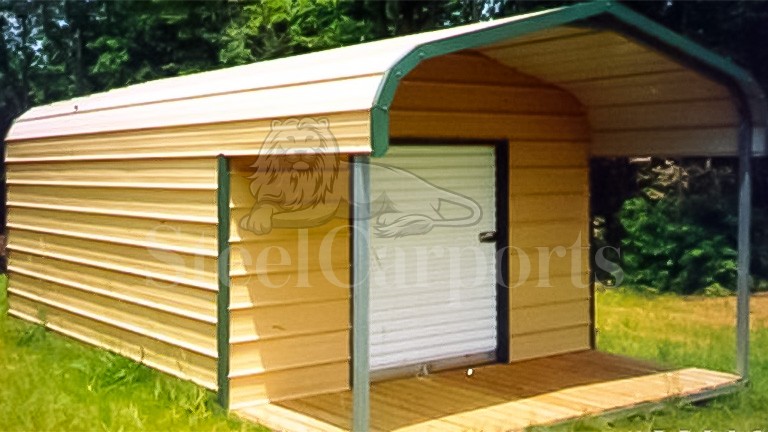
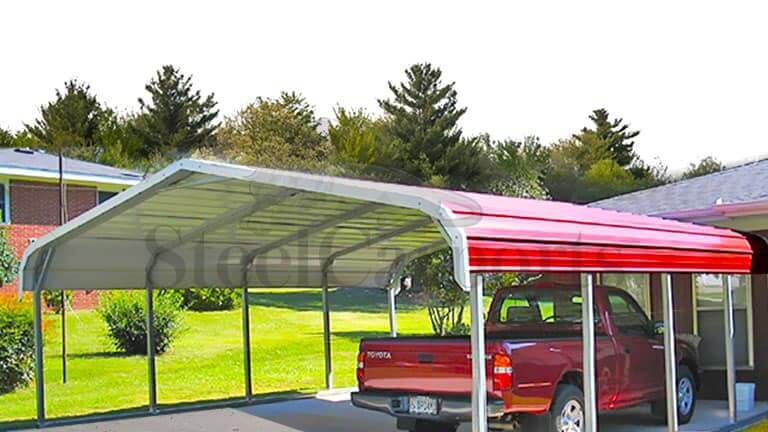
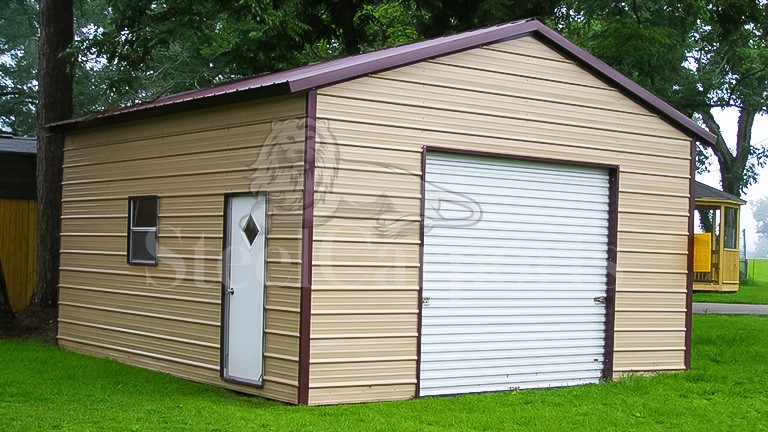
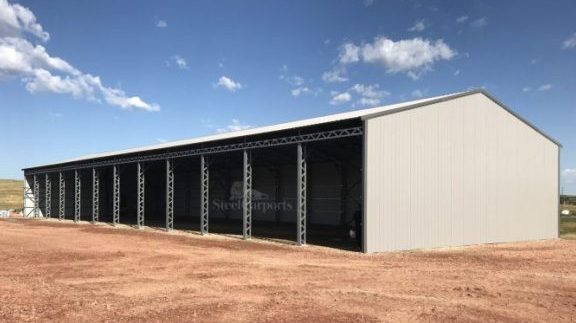
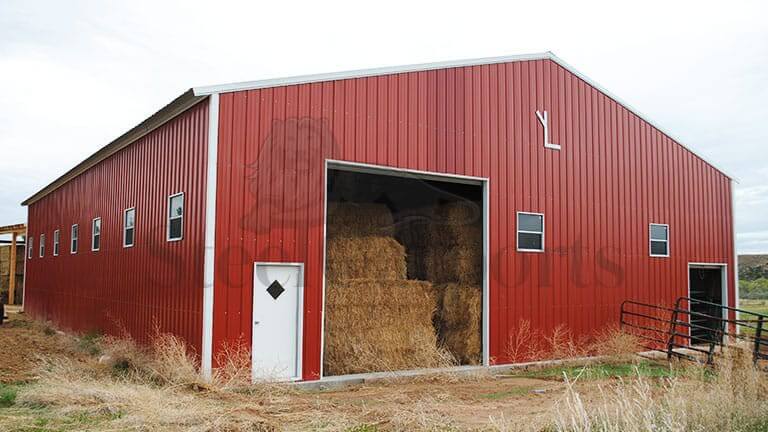
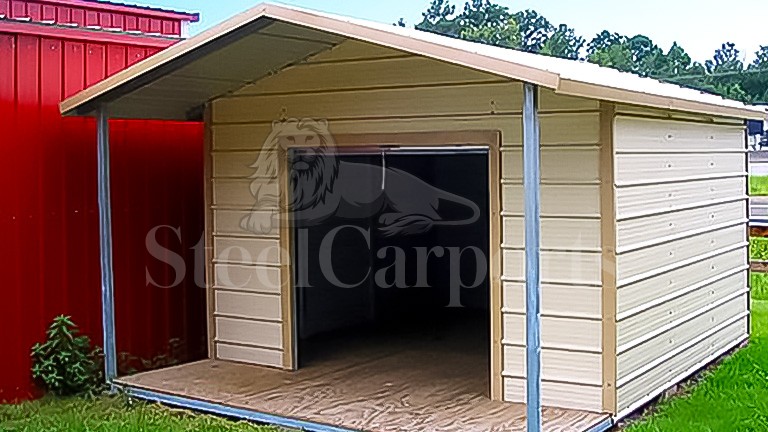
North Carolina is one of the few states where you can drive from a hurricane wind zone to a snow-load county in a single day. Each third of the state changes a different line on the order.
Hurricane-season wind, salt air and flood elevation. Certification does the real work here, and how the building is anchored matters as much as what it is made of — that is the first thing a reviewer looks at.
The fastest-growing part of the state and the busiest half of our delivery map. Heat and humidity, severe storms, and lots where the setback and the covenants decide the footprint before the price list does.
Real snow and ice, and sites that need cutting level before anything is anchored. Snow load governs the roof out here in a way it never does on the coast, and leveling is a cost worth pricing early.
Four things, and the first one is about which third of the state you are standing in.
A certified building is engineered to the figures your jurisdiction enforces — wind on the coast, snow in the mountains. The same footprint is genuinely a different building in Wilmington than in Boone, and that difference is engineering rather than pricing.
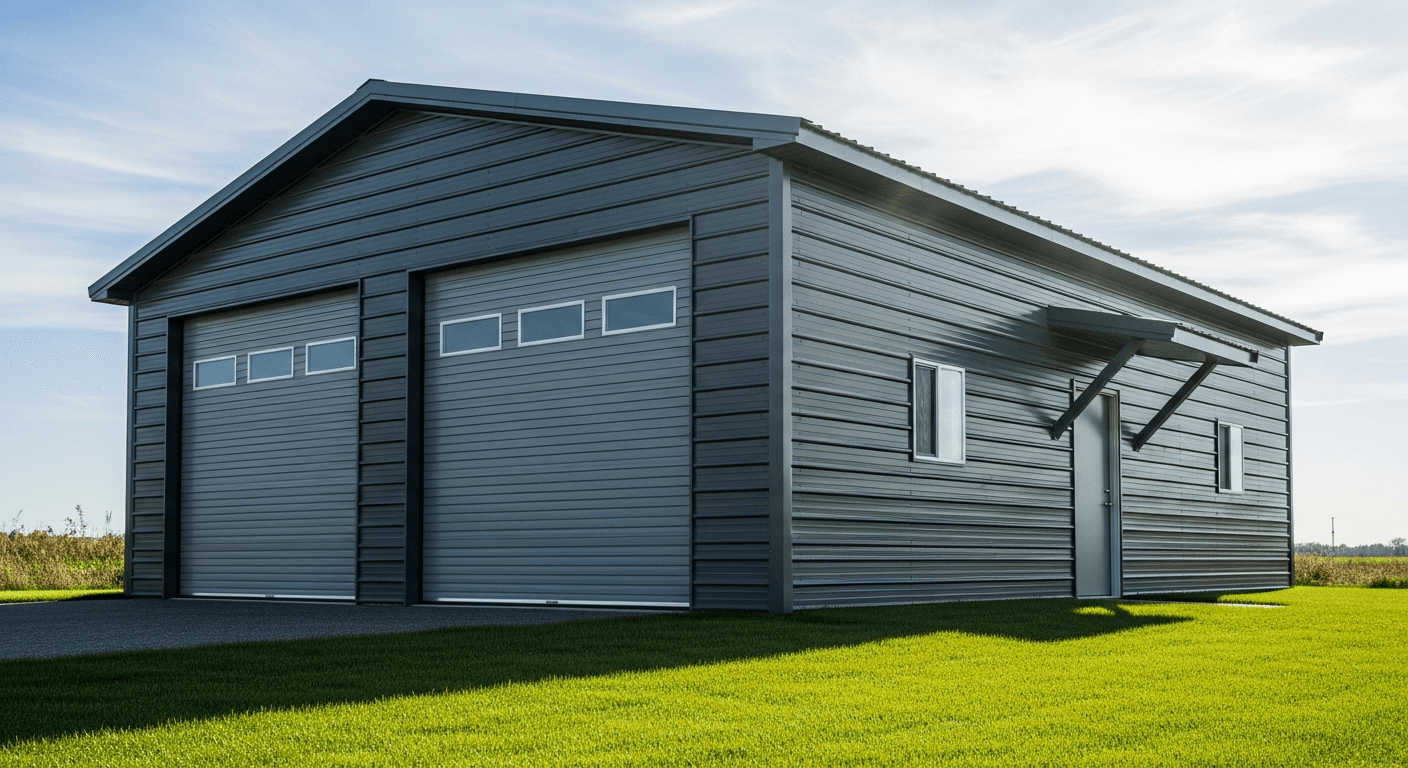
North Carolina buys plenty of open covers because much of the year allows it. Walls buy security and dry storage rather than warmth, which is the honest way to decide whether they are worth it for your job.
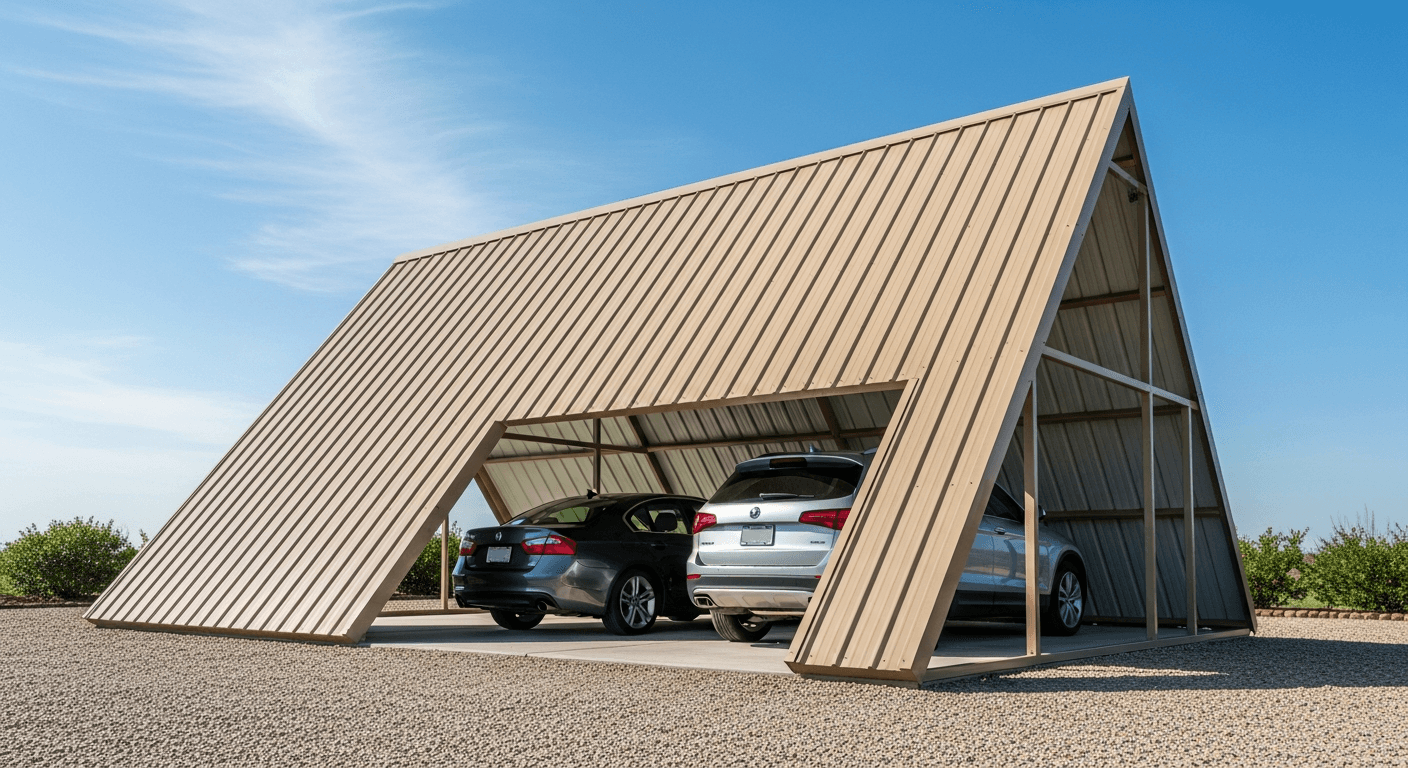
Regular, A-frame horizontal, then vertical, in ascending order of cost. Vertical is the one designed for inclement weather, and on the coast and in the mountains it is the upgrade that pays for itself.
We do not do groundwork or foundations. Mountain sites need cutting level and coastal sites often need an elevation certificate — either way, price it locally before the building is scheduled.
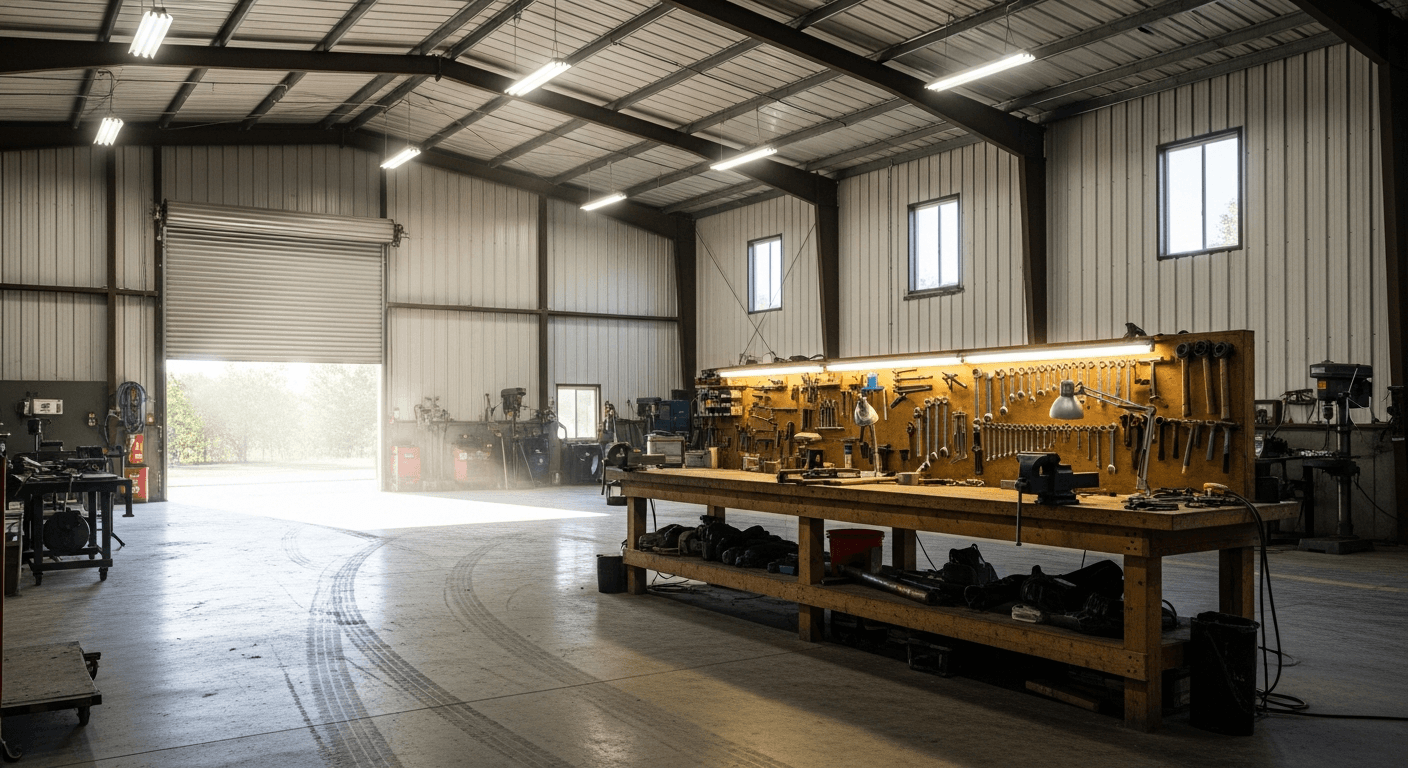
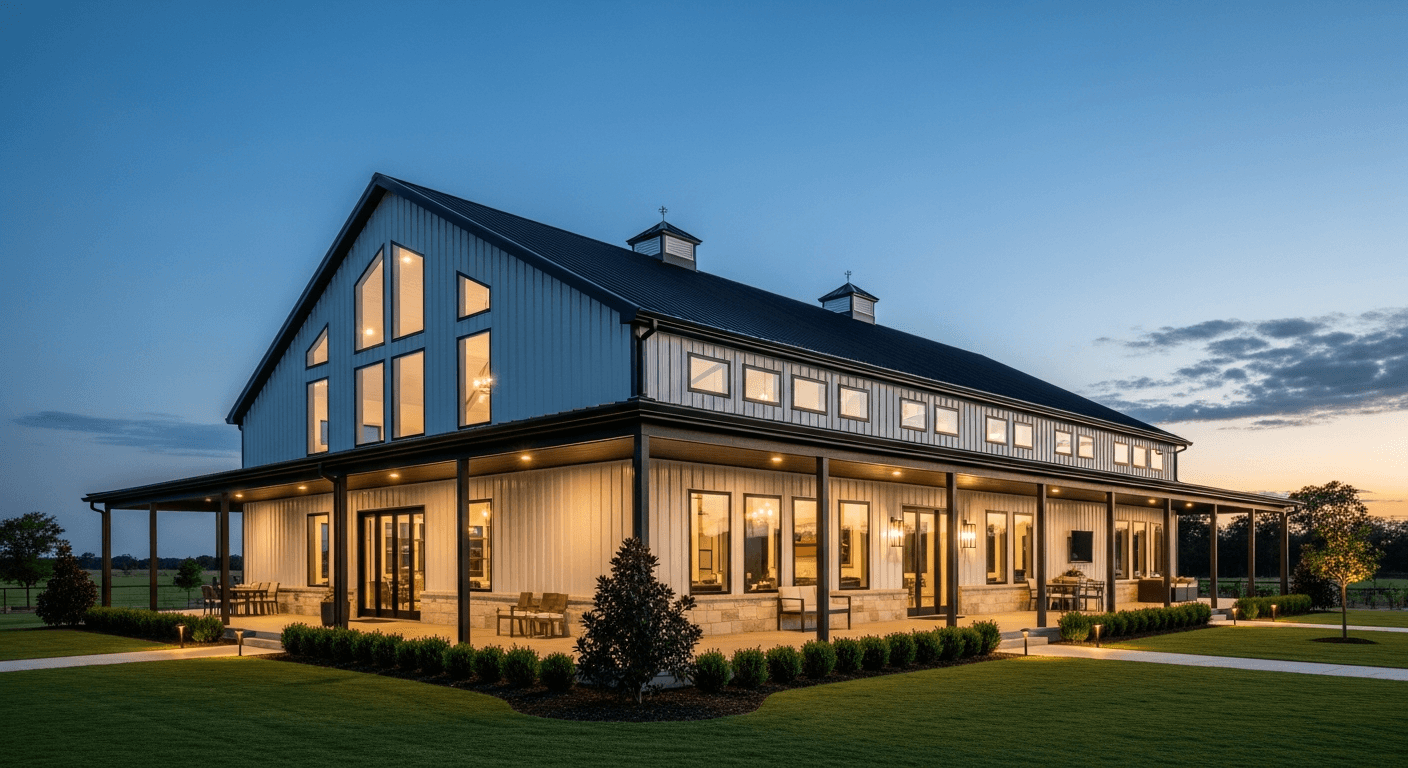
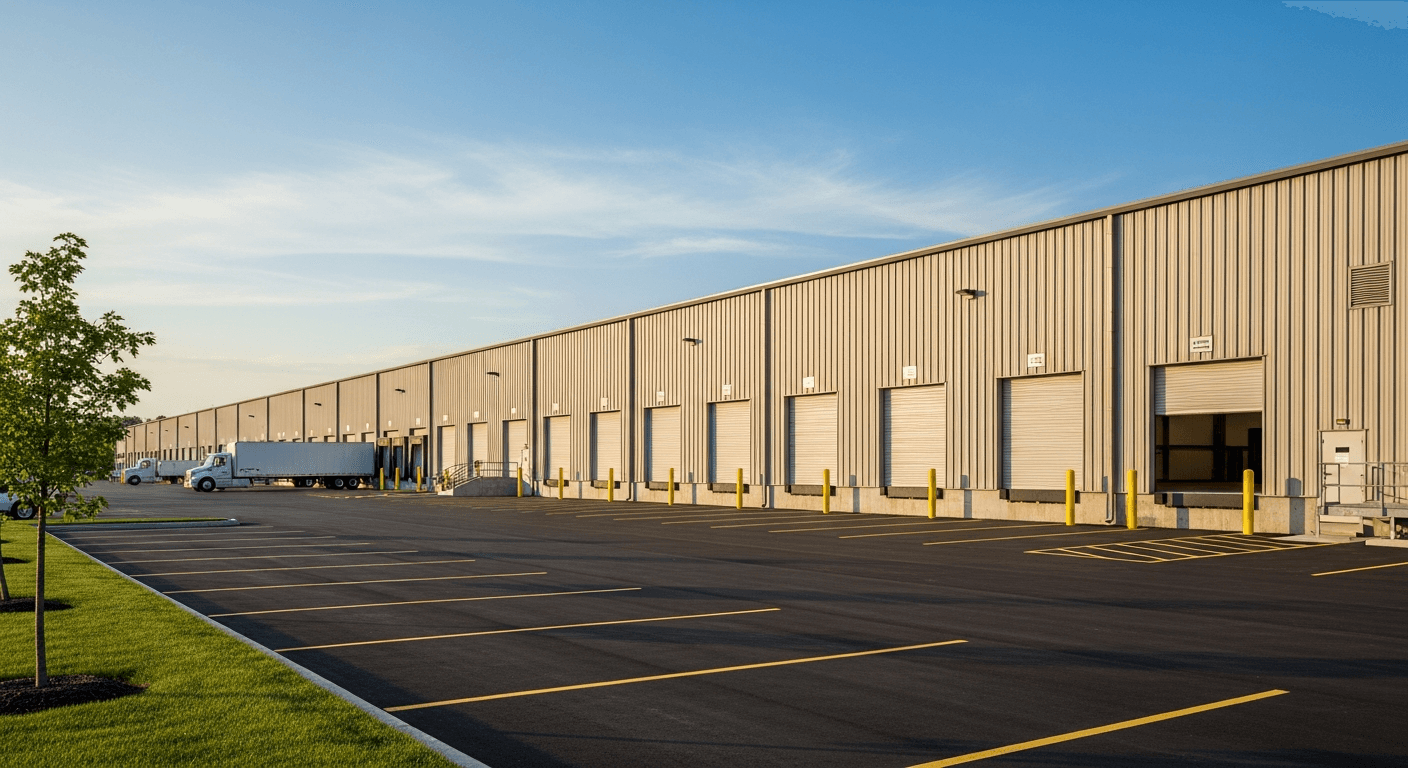
Open covers lead, farm and shop buildings follow, and commercial work is close behind through the Piedmont corridor. Start from the job the building has to do.
Most people know what has to go inside long before they know which building that is. Tell us what it has to do, and we'll match it — from an open carport to a fully enclosed commercial span.
The question that matters is which third of the state you are in, because the coast and the mountains ask about completely different things. Find your county below.
Charlotte, Raleigh, Greensboro, Durham, Winston-Salem, Fayetteville, Wilmington and the rest each run their own permitting. In the Piedmont suburbs, setbacks and covenants bind most orders before the structure does.
One of 100 county offices. Coastal counties will want the wind case and often the flood elevation; mountain counties will want the snow figure and will look at site grade. Ask which applies before you order.
Engineer-stamped drawings for any jurisdiction that requires them. Confirm what your county asks for, tell us what it is, and we certify the building to it with the cost of certification shown up front.
Search a city or a county and we'll tell you which one you're in and who issues the permit there. No form, no email.
* Design wind speed and ground snow load are declared by each jurisdiction — the International Residential Code prints both blank for the local authority to fill in (Table R301.2).
This is the list we publish, not a boundary. A town on it is certainly covered; a town missing from it is a question rather than a no. Search for yours below, and if it is not here, one call settles it before you spend anything.
The five or six things people ask before they order, answered for this state rather than in general.
Give us the county and what the building is for, and you'll get a price that reflects both — not a number off a national list.