
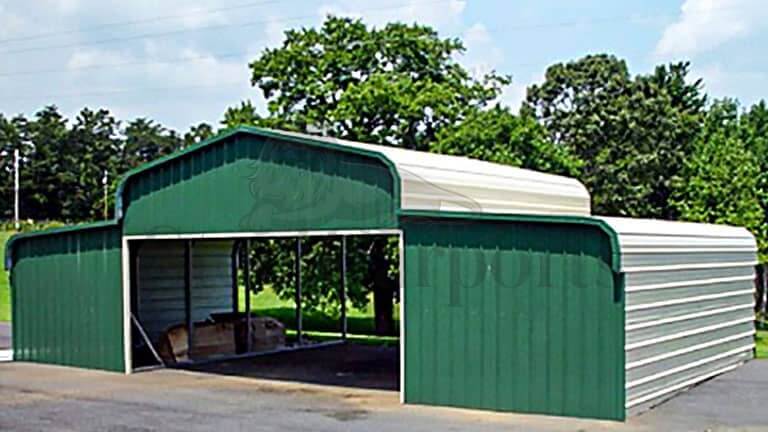
SC160
Regular Roof Barns · Regular roof
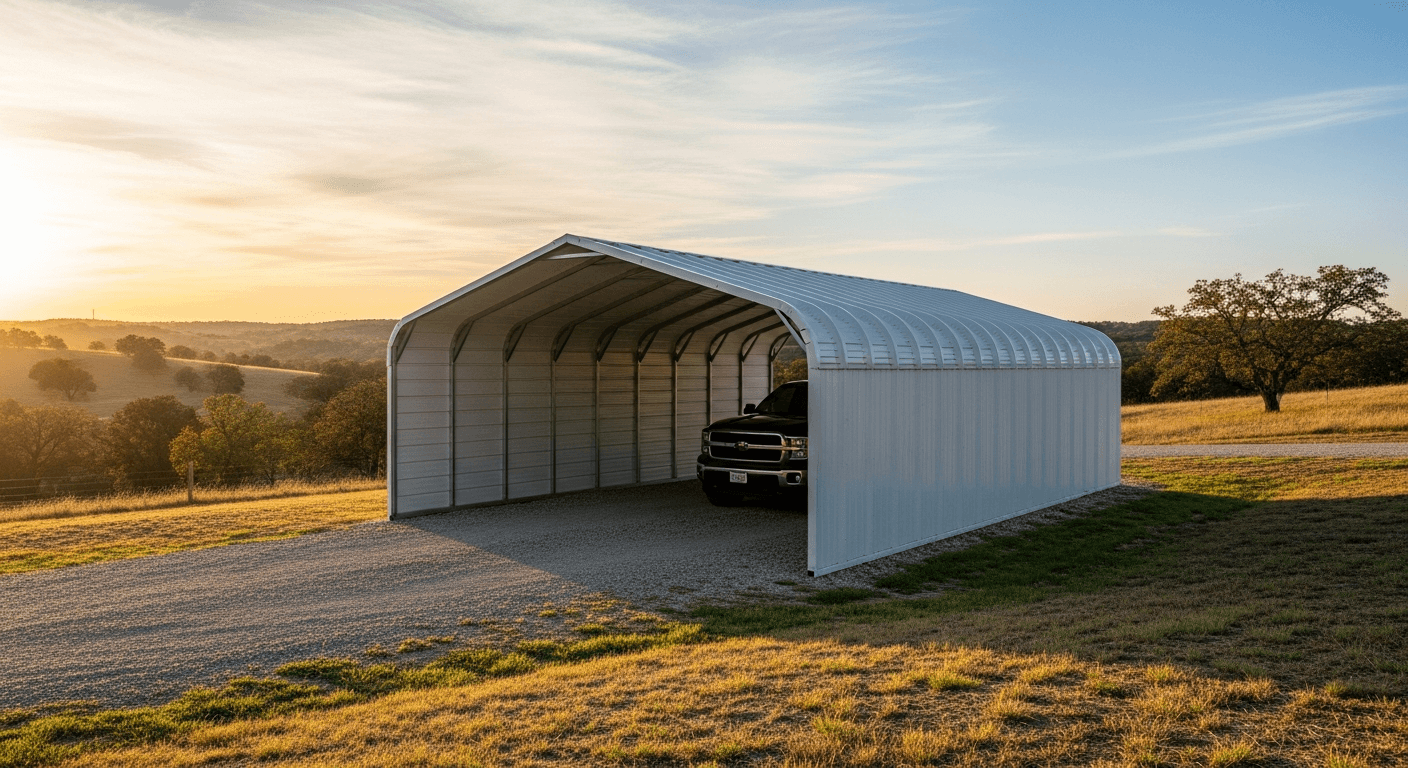
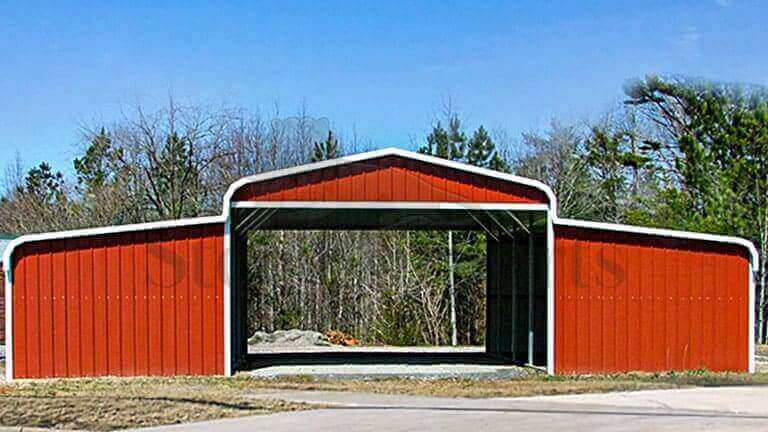
54′x21′ Regular Style Barn
Sq ft
1,134
Bays
5
Eave
12′
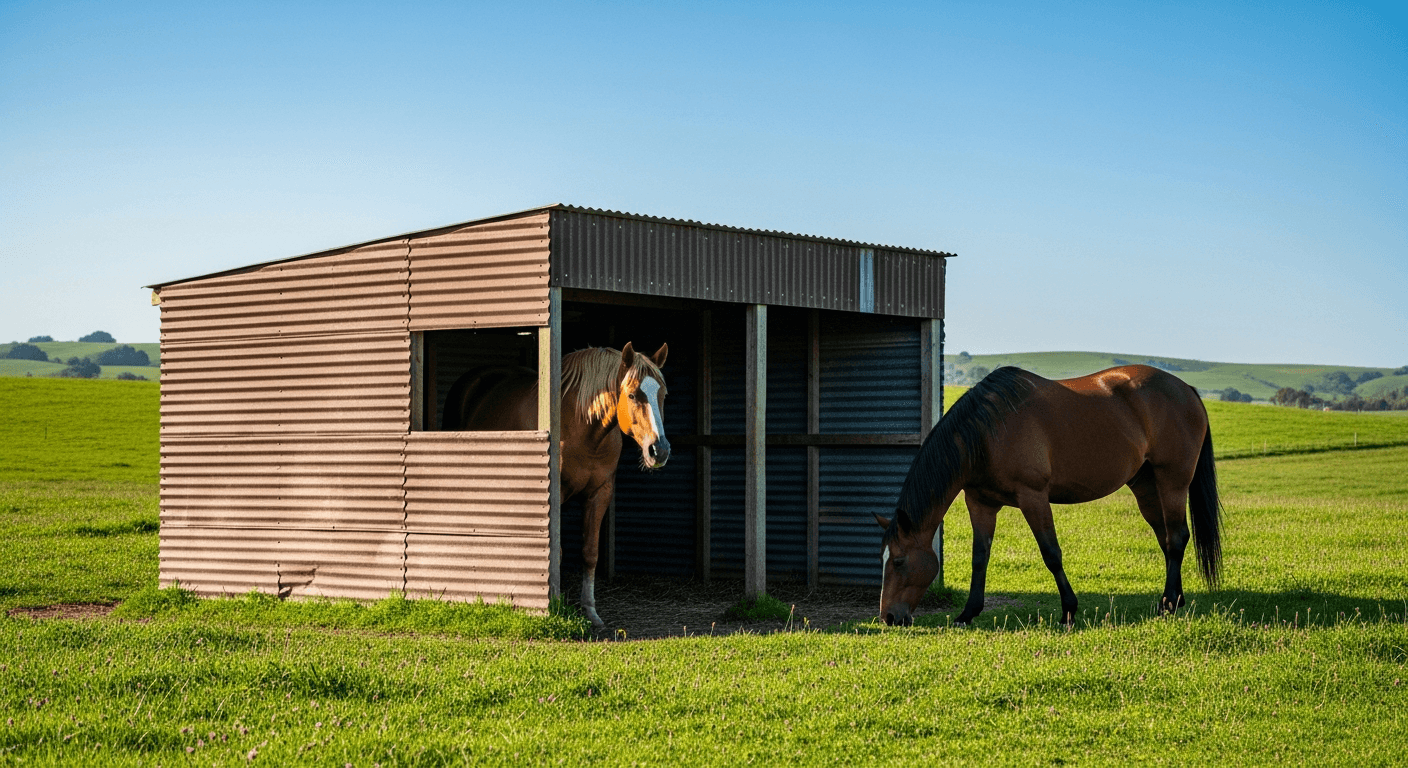
PopularThree-stall horse barn with center aisle and tack room
AlsoGreat for small livestock.
From $135/mo · 7 yr · 6.9% APR
Indiana asks a building to handle three winters' worth of freeze and thaw, lake snow in the north, and whatever the farm or the shop puts inside it. Galvanized steel does not rot or warp through any of that, and a roof and gauge certified to your county's figures is what makes it a permanent building rather than a temporary one. Delivery and installation are included in the price.

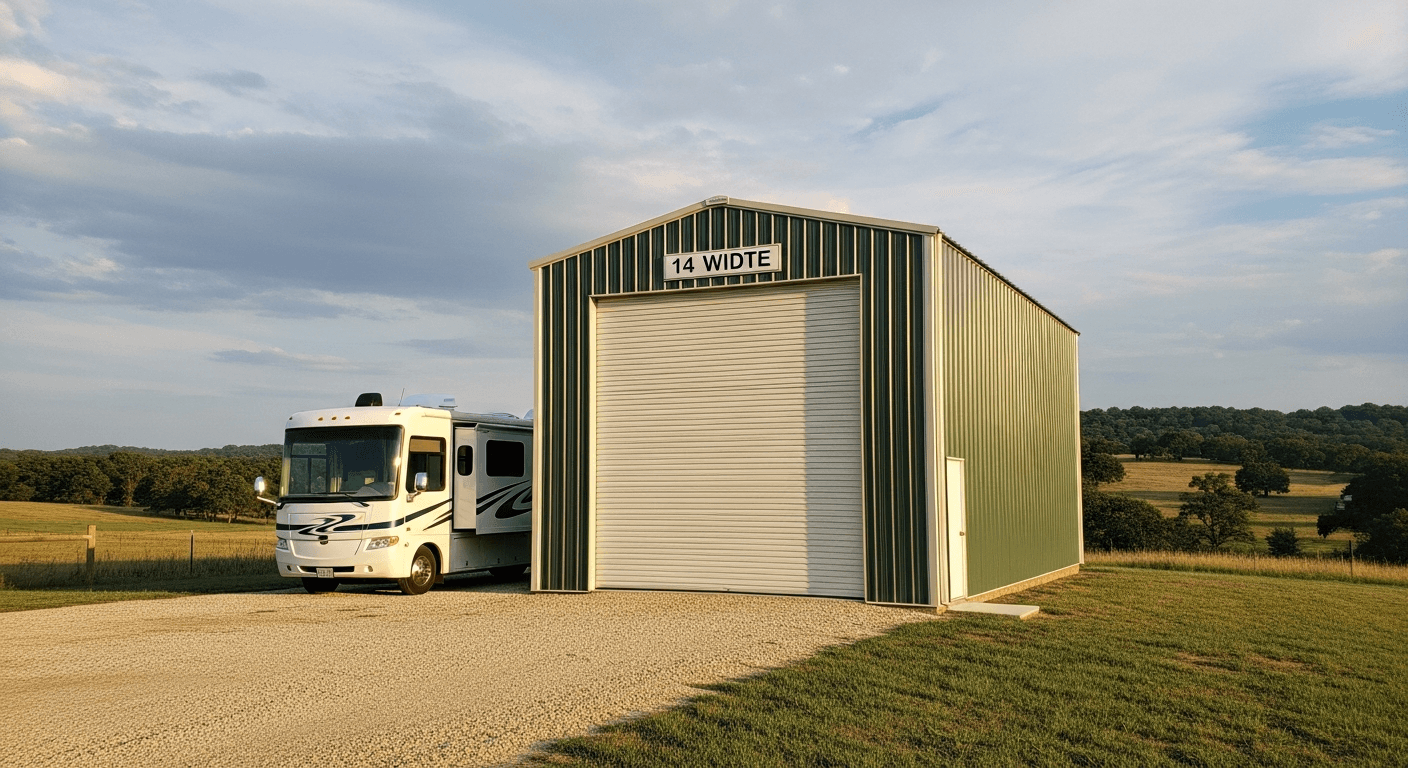
Tractors, trailers and hay. Indiana keeps them under steel. Galvanized steel, delivered and installed across Indiana. Lake-effect snow, freeze and thaw. Indiana steel holds.
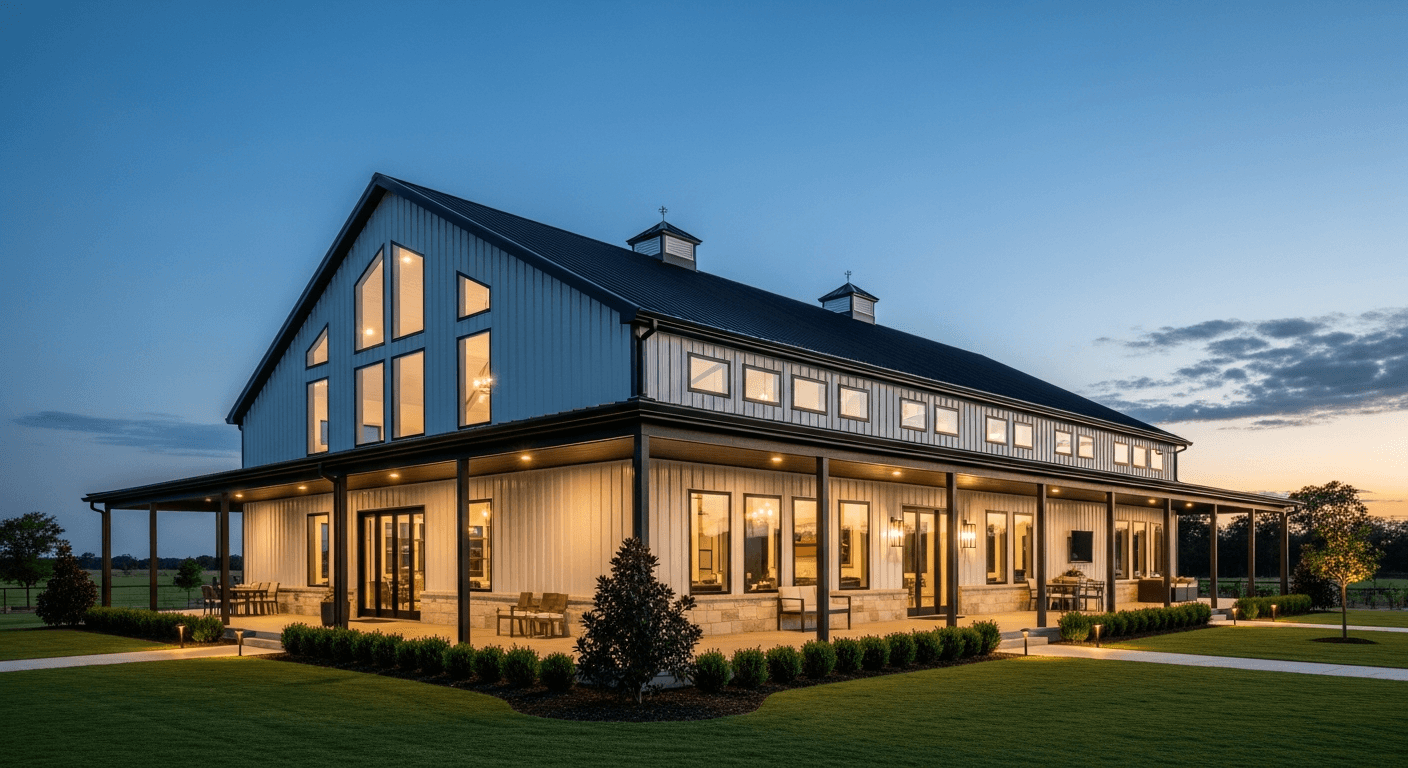
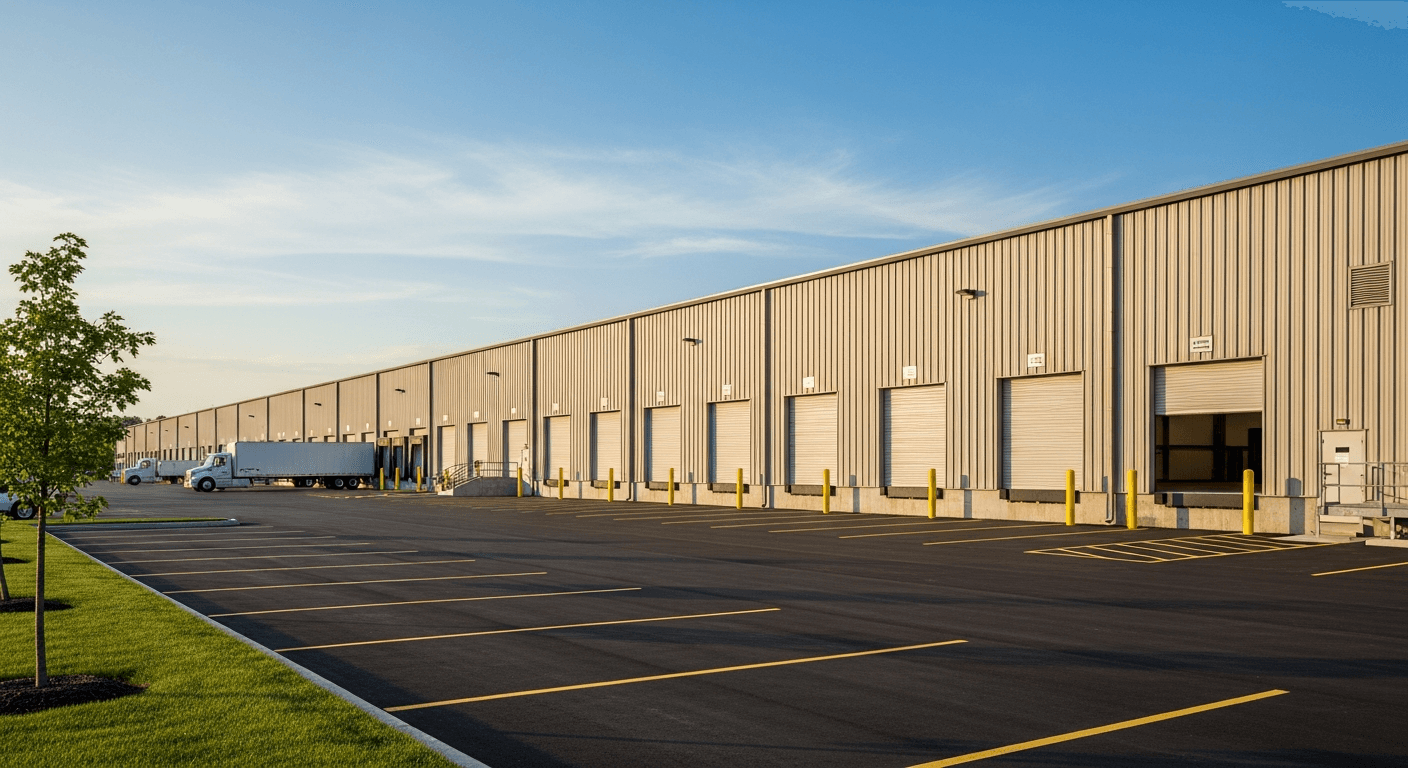
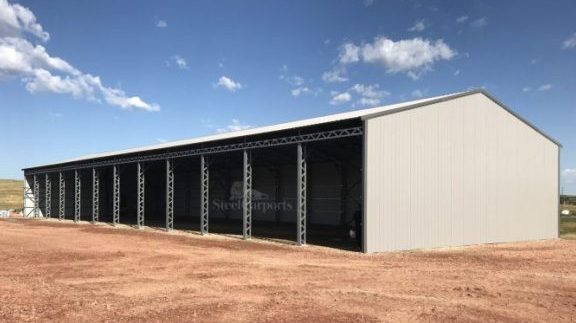
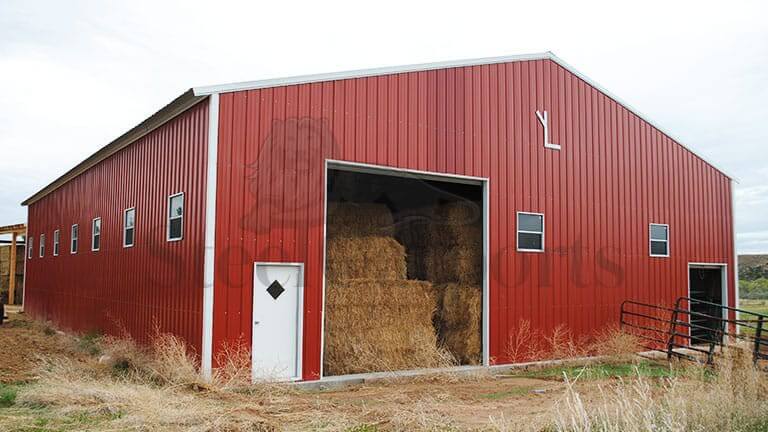
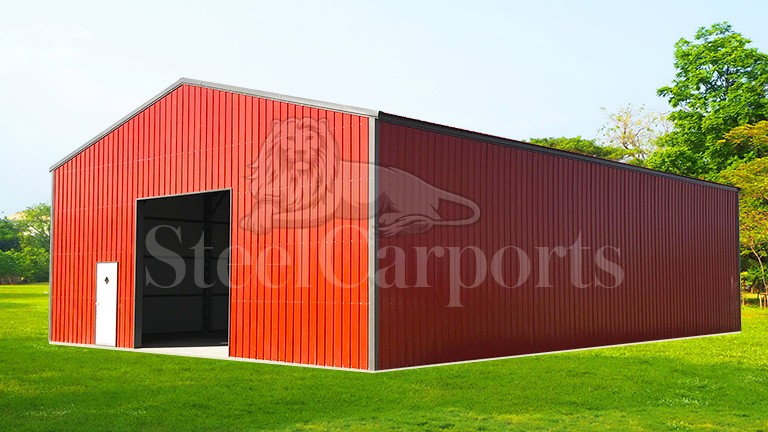
A spread across the building types Indiana leads with. Delivery and installation are included, and the specification shifts with what your county requires.
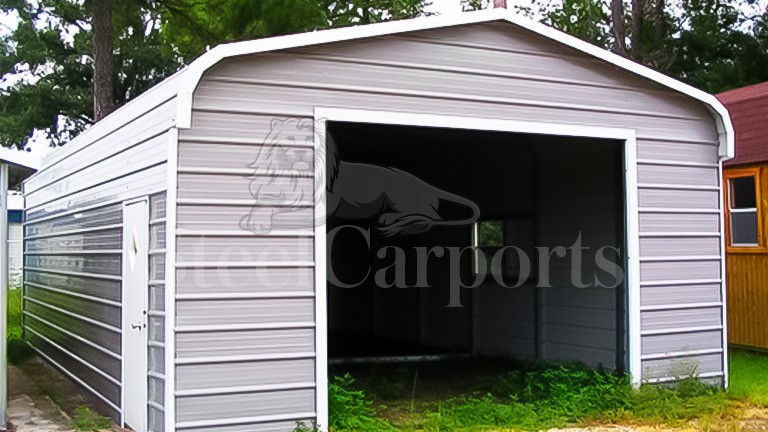
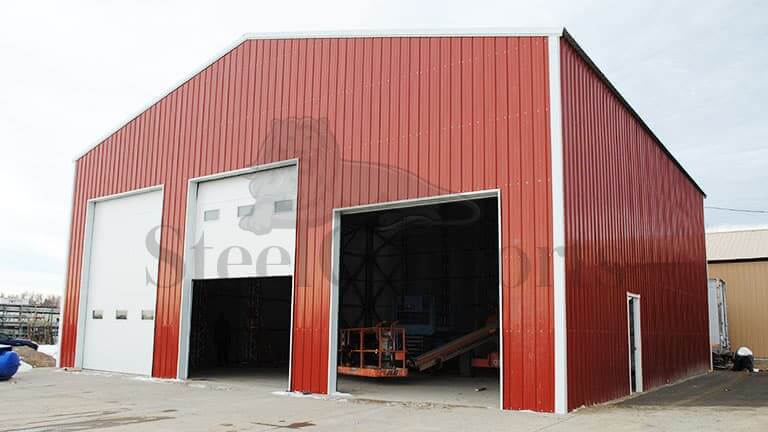
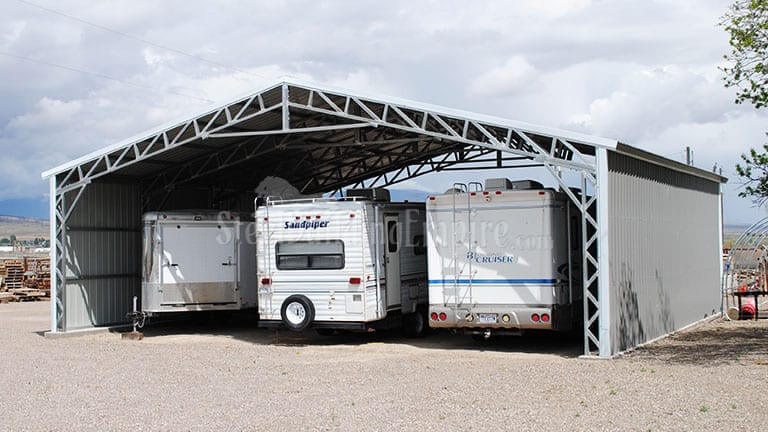
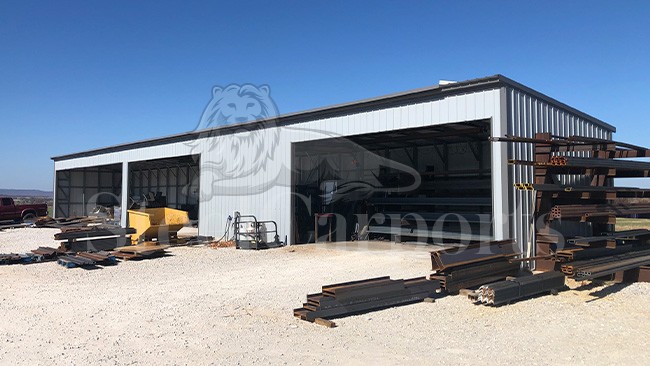
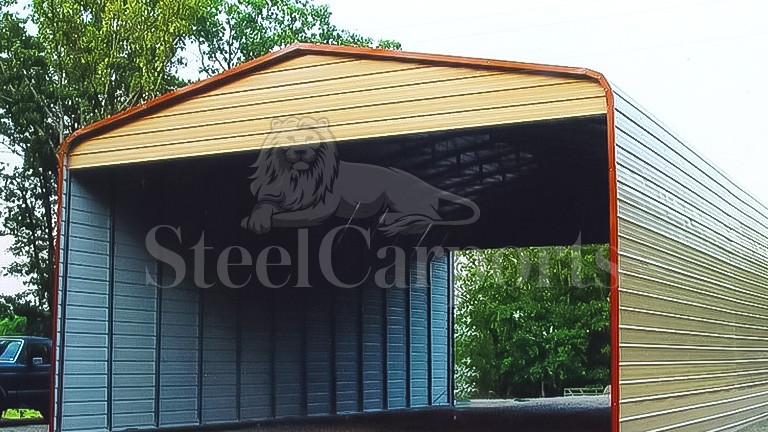
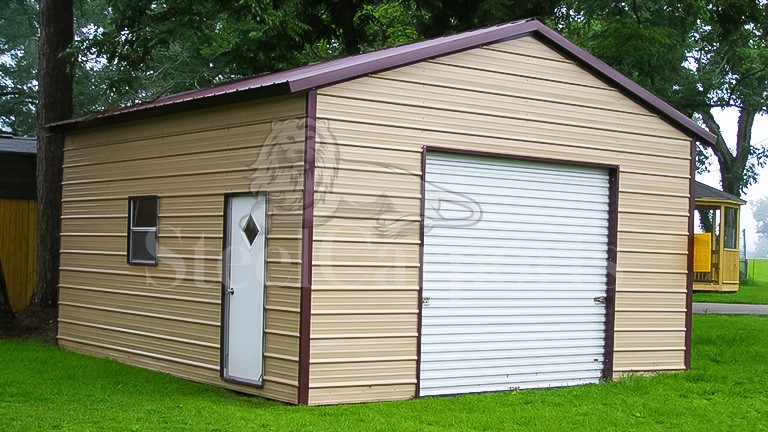
Indiana is only 270 miles top to bottom, but the winter at the top of it is materially heavier than the one at the bottom — and that changes the roof.
Lake Michigan puts extra snow on this corner of the state every winter, so the roof figure is the binding one here. It is also horse country — this is why stalls, run-in sheds and buggy shelters come up in northern Indiana and almost nowhere else in the Midwest.
Corn and soybean ground with the interstate crossings running through the middle of it. Equipment barns and shop buildings on the farm side; distribution and clear-span storage where the highways meet.
Hills, smaller holdings and shorter winters. Site grade matters more down here than snow load does — a sloping site has to be cut level before anything is anchored, and that is a cost worth knowing early.
Four decisions, and only one of them is the size of the building.
The width you can cross without an interior post is the most expensive property of a farm or shop building, and it cannot be added afterwards. Buy it for the widest thing that will ever go inside, not the widest thing you own now.
A certified building is engineered to the figures your jurisdiction enforces. In the snowbelt counties the roof figure is heavier than it is downstate, which makes the same footprint a different building — engineering, not markup.
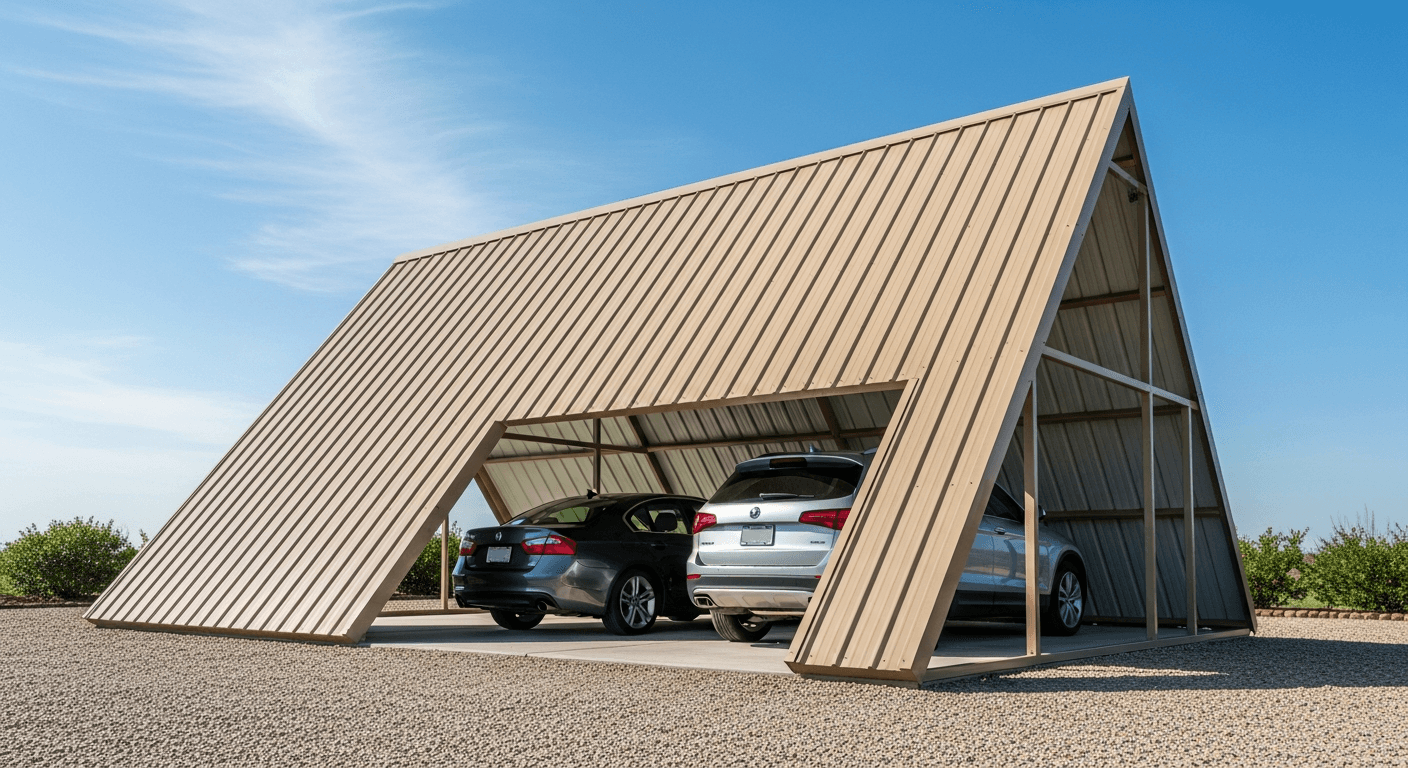
Regular, A-frame horizontal, then vertical, in ascending order of cost. Vertical is the one designed for inclement weather and it clears a snow load faster, which is the reason most northern Indiana orders end up there.
We do not do groundwork or foundations. Indiana frost depth and the freeze-thaw cycle both matter to a pad, and southern sites often need cutting level first — price that locally before you order.
Indiana's ranking is broader than most Midwest states — working horses in the north and freight through the middle both show up in it. Start from the job.
Most people know what has to go inside long before they know which building that is. Tell us what it has to do, and we'll match it — from an open carport to a fully enclosed commercial span.
In Indiana the township can matter as much as the county, so the address decides more than the map does. Look yours up below.
Indianapolis, Fort Wayne, Evansville, South Bend and the suburban cities each run their own permitting. Expect to file and expect the reviewer to want a stamped drawing certified to the local snow and wind figures.
The county building office is usually the authority, with township-level rules layered on in places. Setbacks and drainage are the two that stop an order more often than the structure does.
Engineer-stamped drawings for any jurisdiction that requires them. Confirm what your county asks for before ordering, tell us what it is, and the building is certified to match — with the cost of certification shown up front.
Search a city or a county and we'll tell you which one you're in and who issues the permit there. No form, no email.
* Design wind speed and ground snow load are declared by each jurisdiction — the International Residential Code prints both blank for the local authority to fill in (Table R301.2).
This is the list we publish, not a boundary. A town on it is certainly covered; a town missing from it is a question rather than a no. Search for yours below, and if it is not here, one call settles it before you spend anything.
The five or six things people ask before they order, answered for this state rather than in general.
Give us the county and what the building is for, and you'll get a price that reflects both — not a number off a national list.