
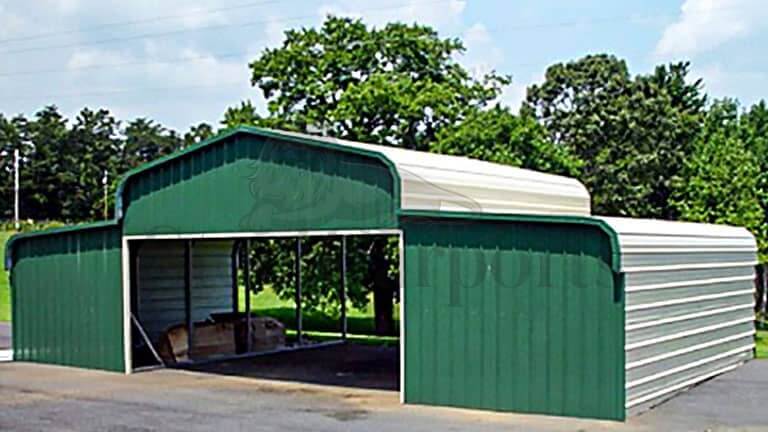
SC160
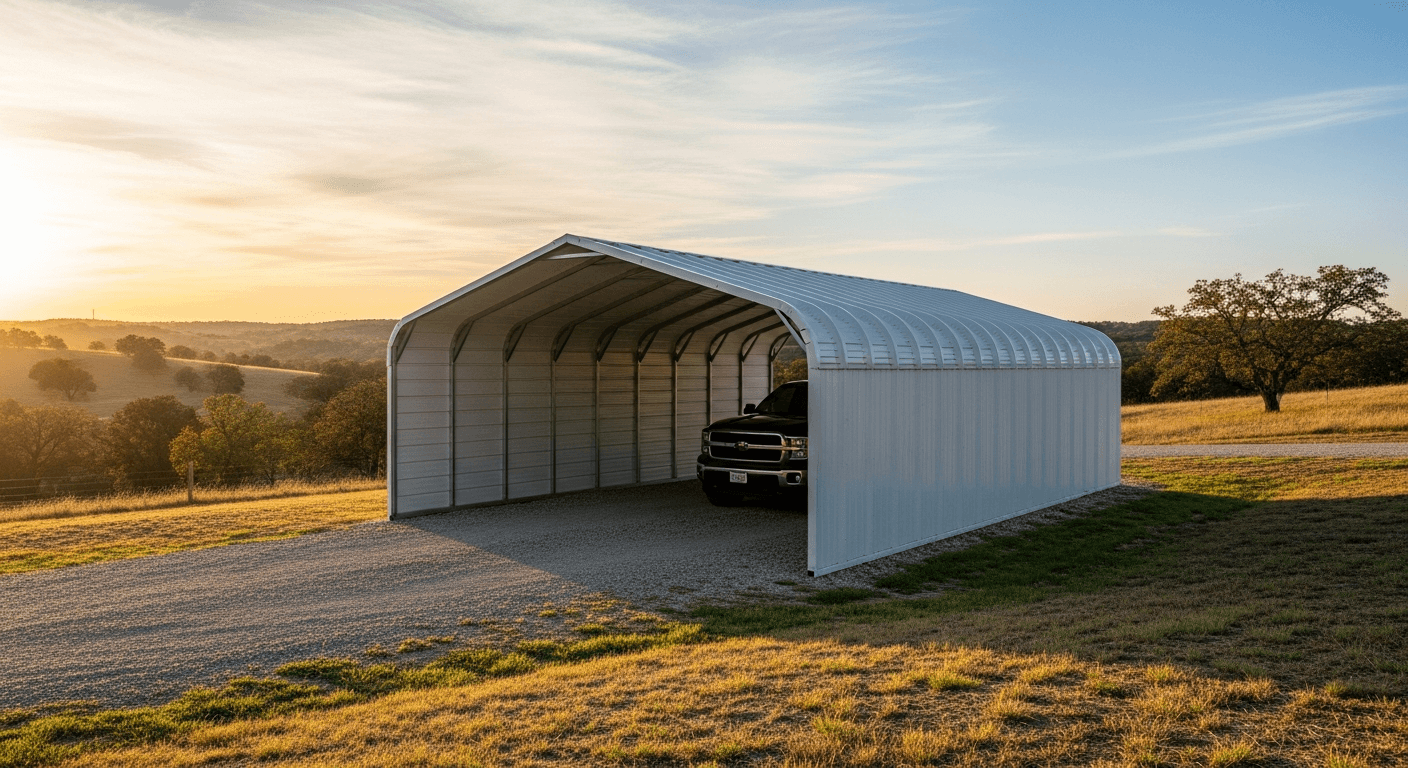
Regular Roof Barns · Regular roof
54′x21′ Regular Style Barn
Sq ft
1,134
Bays
5
Eave
12′
PopularThree-stall horse barn with center aisle and tack room
AlsoGreat for small livestock.
From $135/mo · 7 yr · 6.9% APR
Almost everything we deliver in Iowa goes over equipment, grain or livestock, and that makes the specification straightforward: how wide can it span without a post, how high does the door have to be, and what snow and wind figures does your county enforce. Answer those three and the rest is finish. Delivery and installation are included in the price.

Combines, grain carts and hogs. Iowa builds in steel. Galvanized steel, delivered and installed across Iowa. Snow load and straight-line wind. Iowa steel is certified.
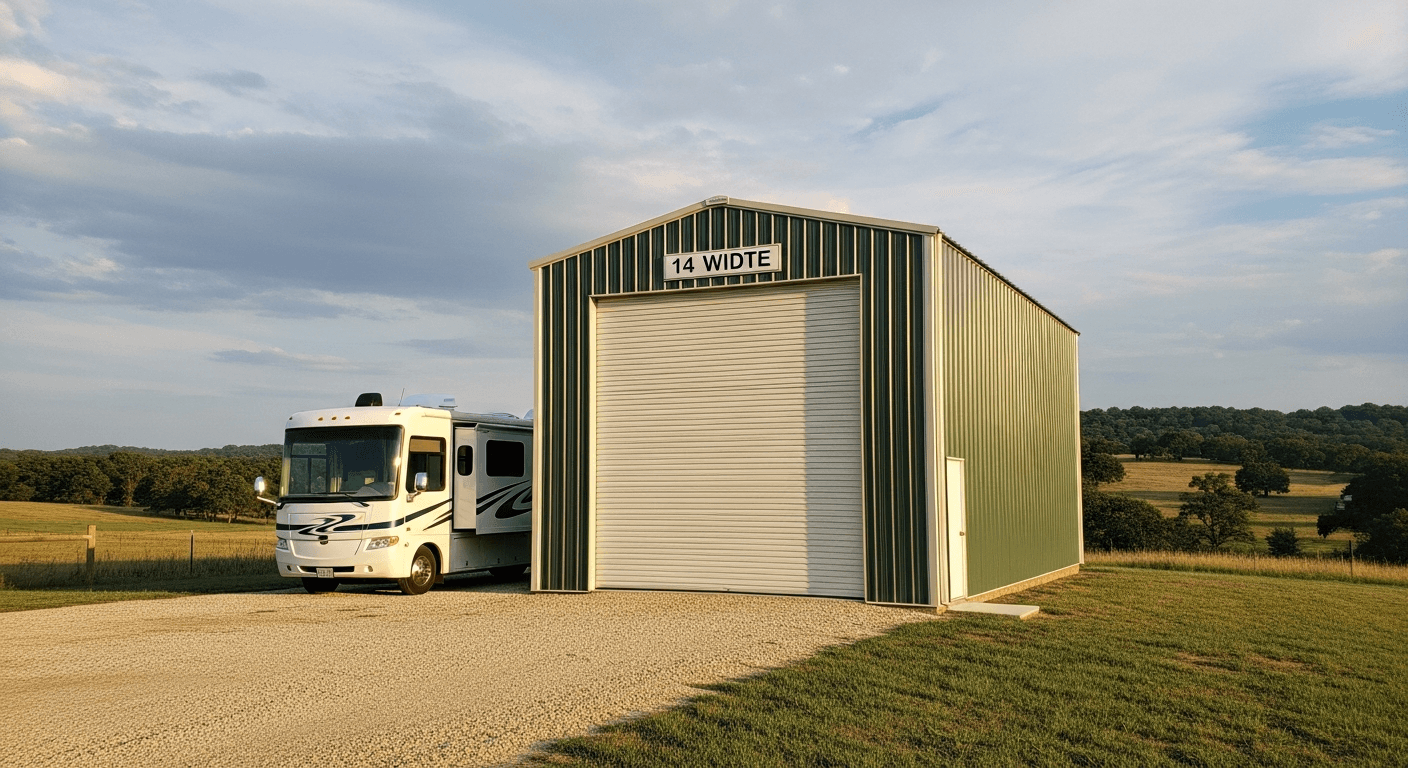
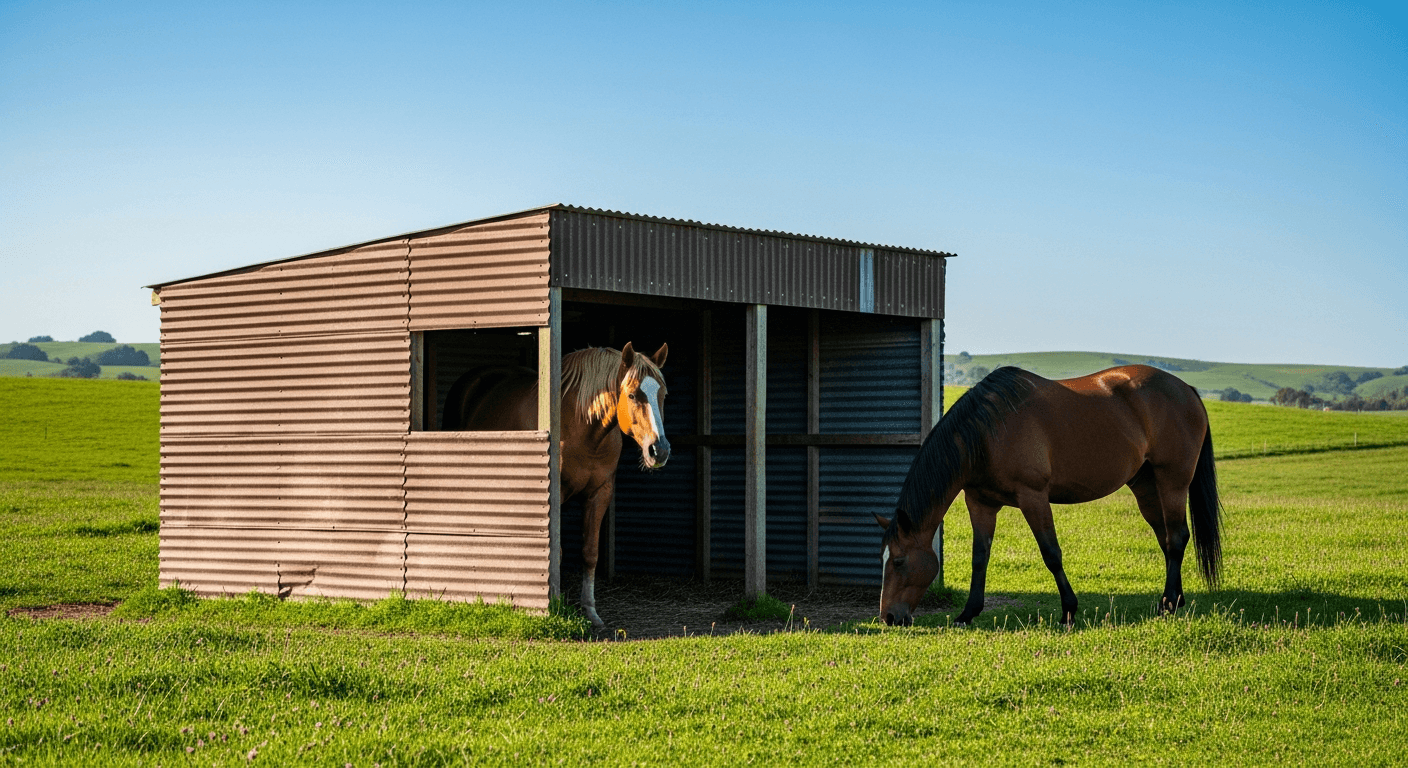
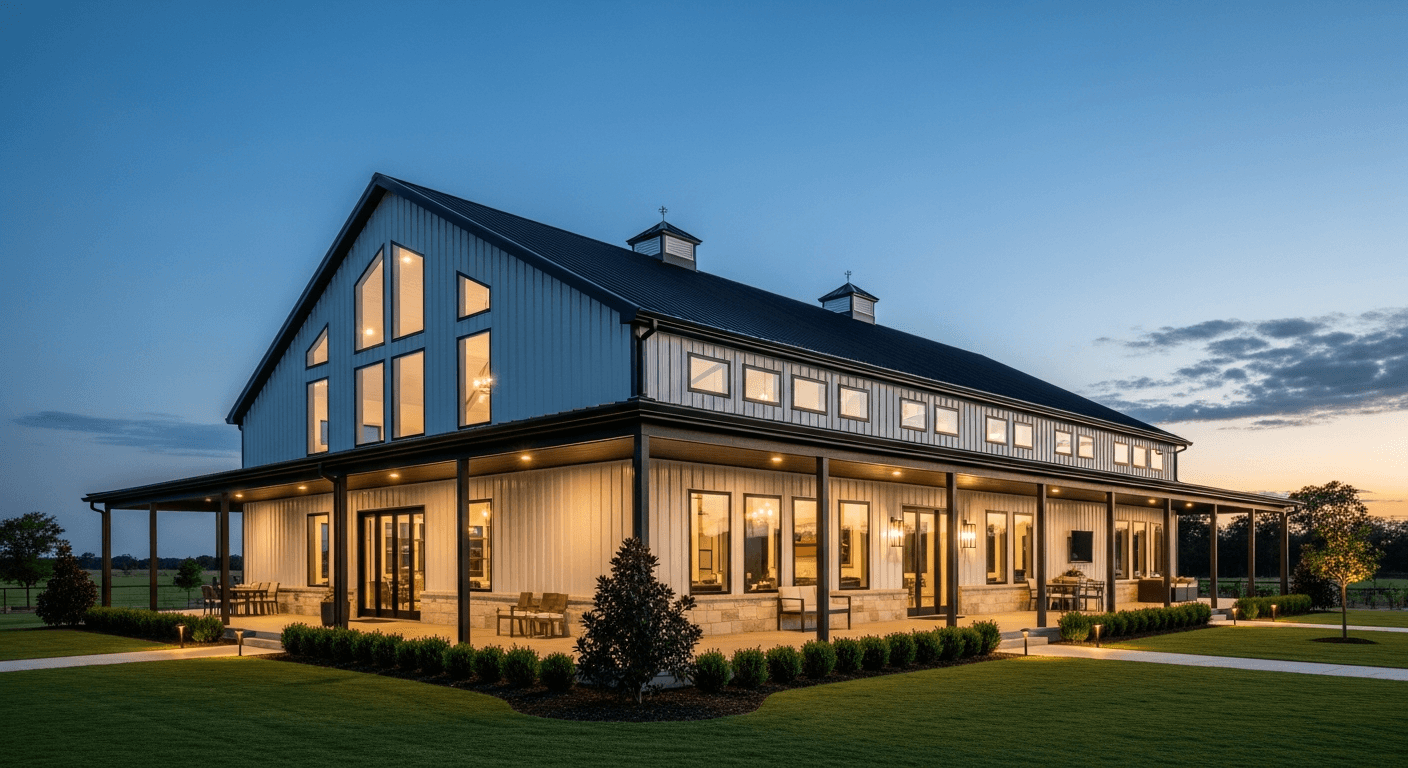
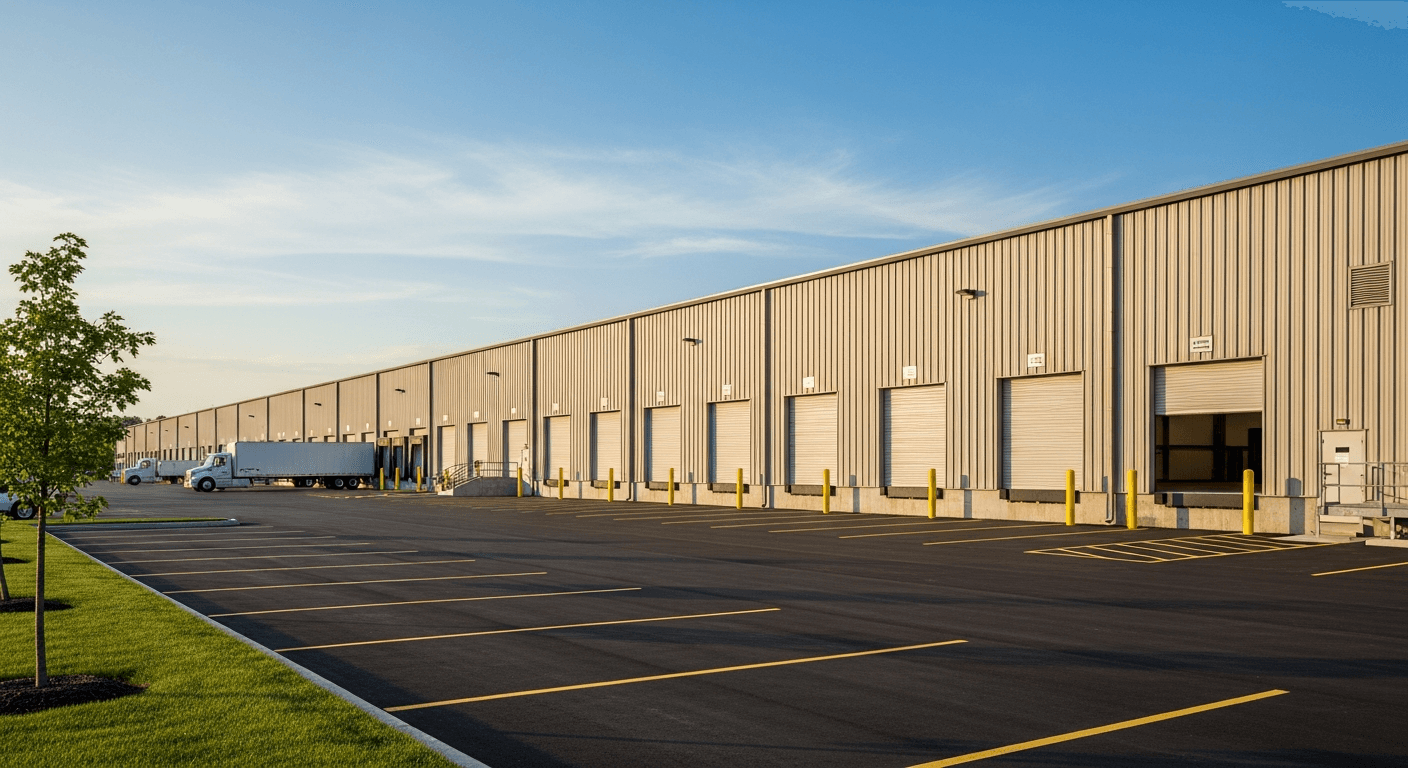
A spread across the building types Iowa leads with. Delivery and installation are included, and the specification shifts with what your county requires.
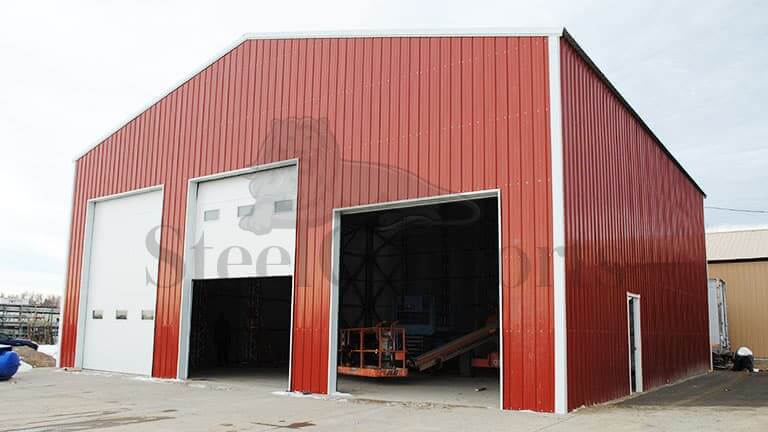
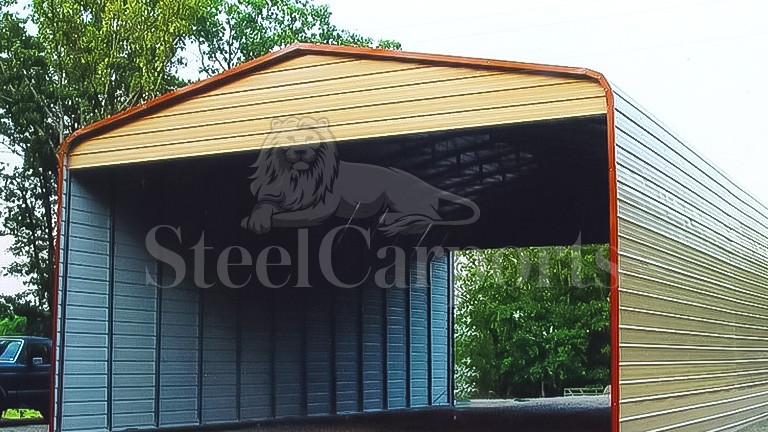
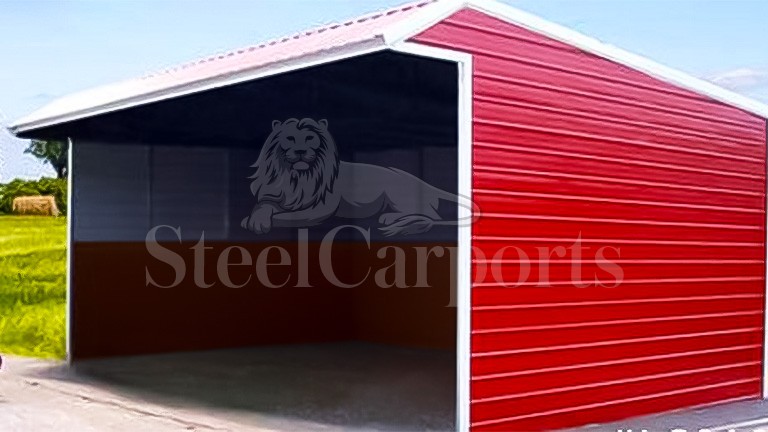
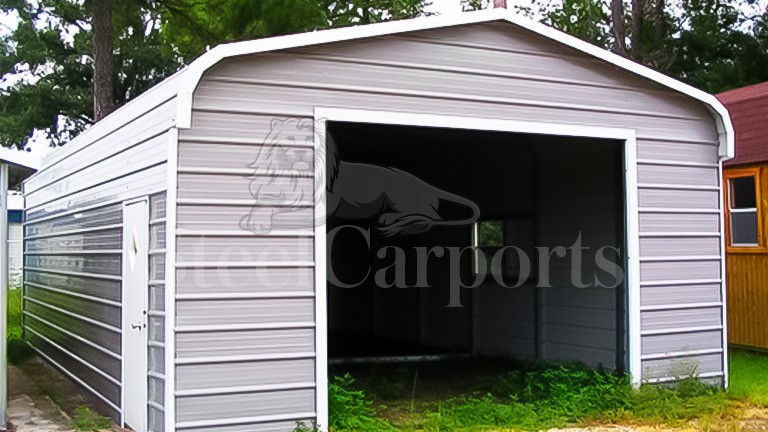
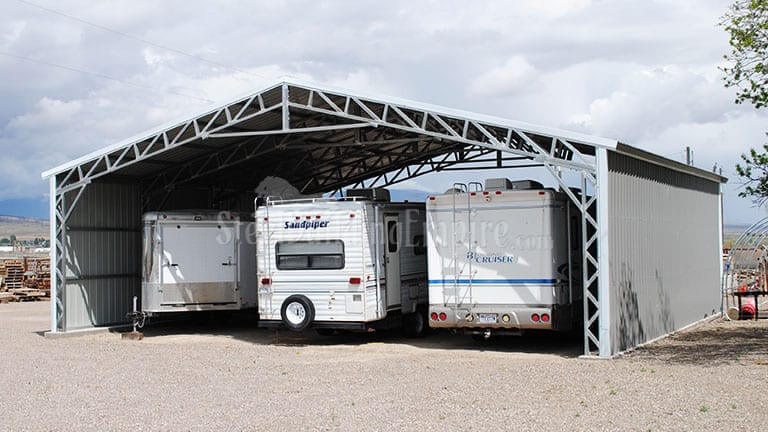
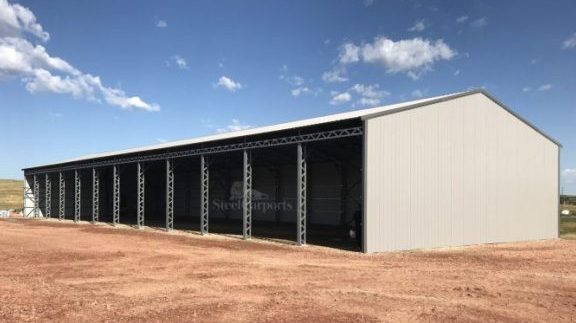
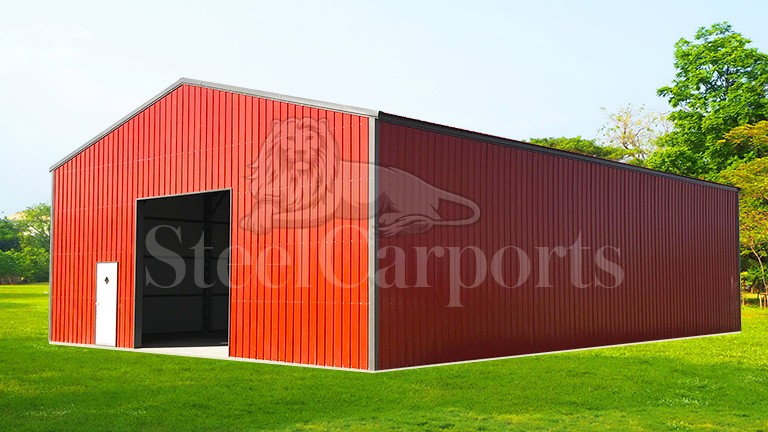
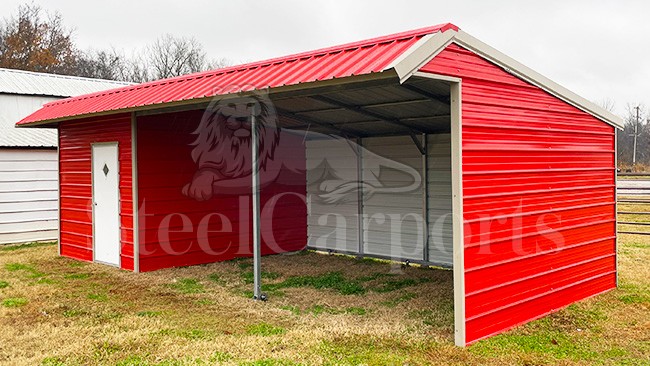
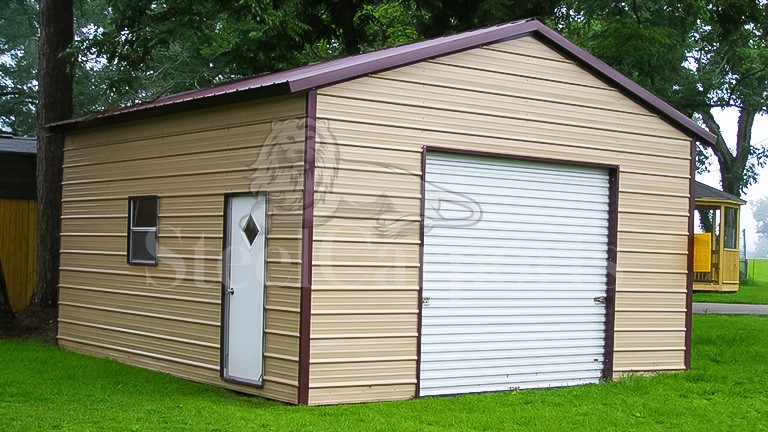
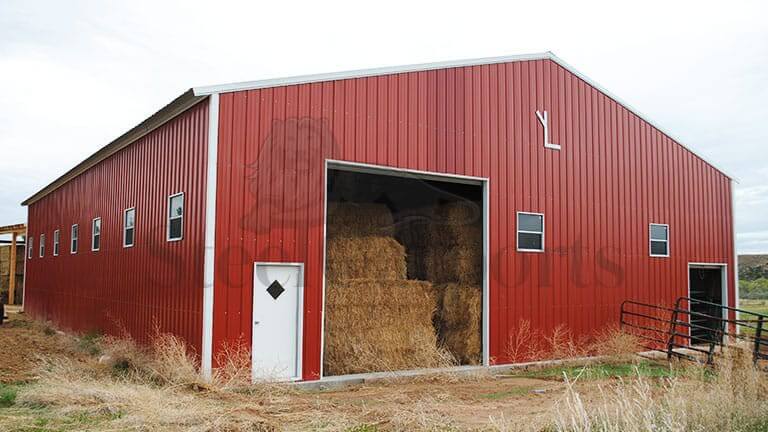
Third in the country for number of farms, and it shows in the ranking: five of the six leading types here are working buildings. Start from the job, then we will size the span to it.
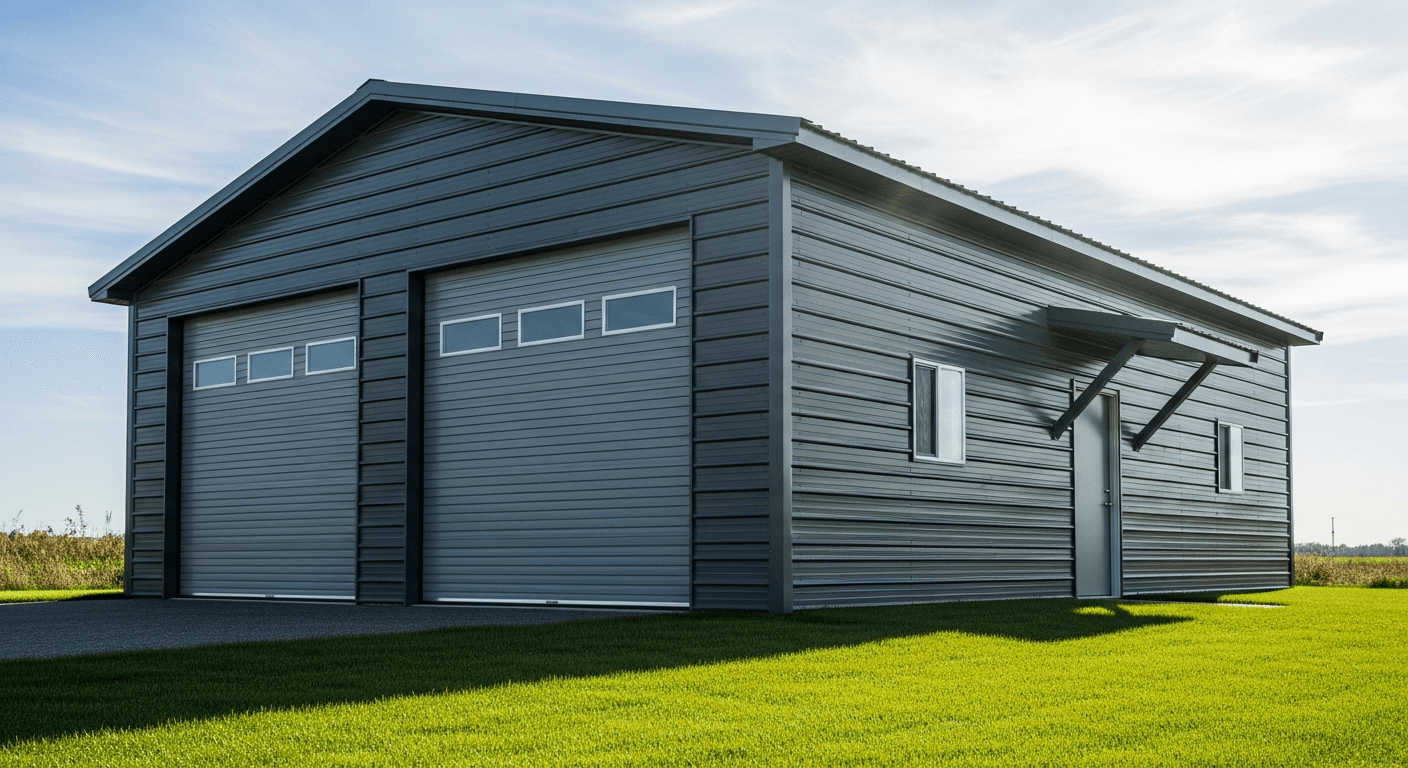
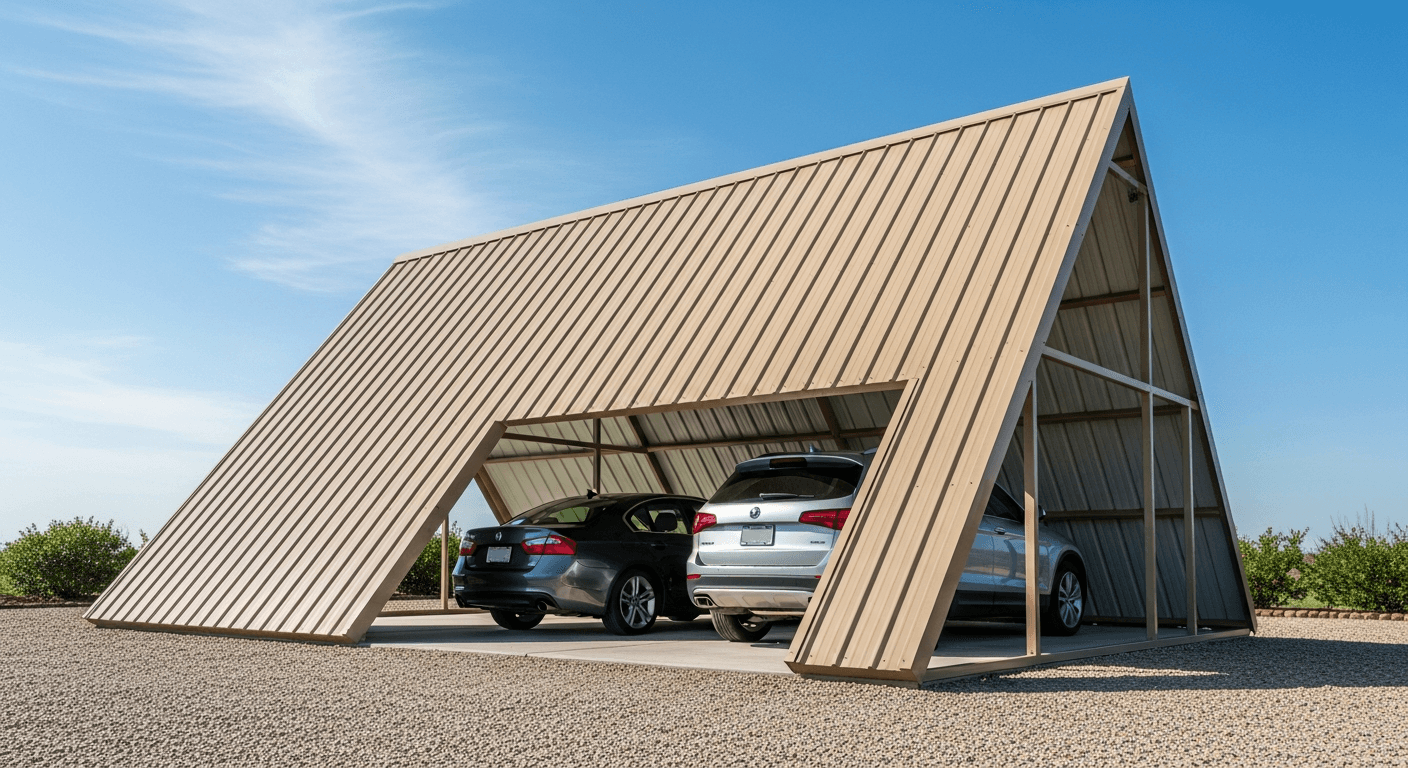
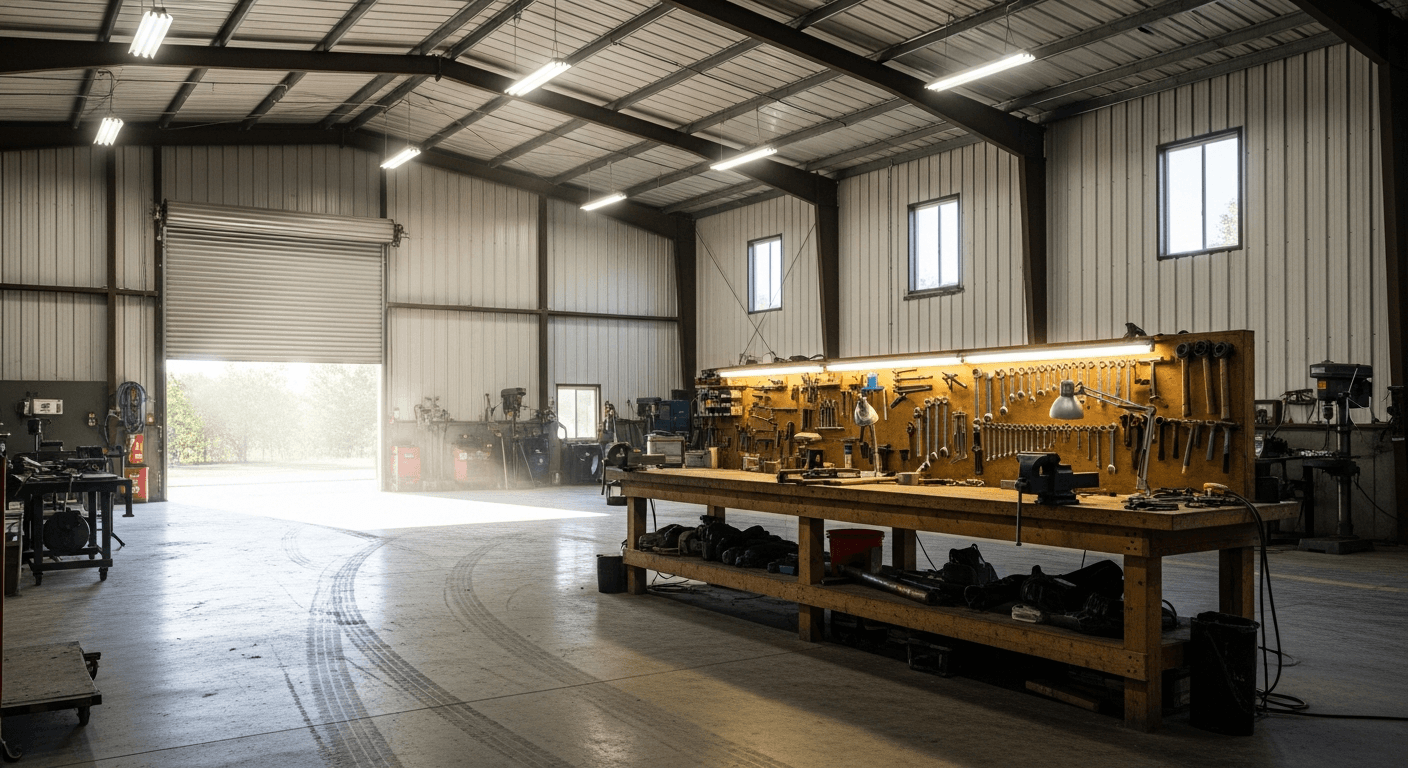
Most people know what has to go inside long before they know which building that is. Tell us what it has to do, and we'll match it — from an open carport to a fully enclosed commercial span.
Iowa does not split into weather regions the way a wide state does. It has one continental climate that pushes on a building from two directions, and each one changes a different part of the order.
Snow load governs the roof: the gauge, the pitch and the roof style all answer to it. A vertical or straight roof gets a load moving off the building rather than holding it, which is why almost every Iowa order specifies one.
Straight-line wind is a real event across Iowa and it is what anchoring exists for. What the building is bolted to matters as much as what it is made of, and a certified building has both engineered together.
The ground moves here every year. That is a foundation question rather than a building question, which is exactly why it is worth pricing the pad properly before you order — it is the part of the job we do not do.
On an agricultural building the money goes into things you cannot retrofit. These four, in order.
The single most expensive property of a farm building, and the one thing that cannot be added afterwards. Iowa equipment barns commonly run 40 to 60 feet across — size it for the next machine, not the one in the shed today.
Grain carts, combines with the head on, and hay stacked three high all fail on height rather than width. Two more feet of eave at order time costs a fraction of what a building you have to work around costs over twenty years.
A certified building is engineered to the snow and wind figures your jurisdiction enforces, with gauge, roof style and anchoring chosen together. Where the county requires it, it is not optional and it moves the number.
We do not do groundwork or foundations. Frost depth and drainage are what a pad has to answer to in Iowa, and the install crew needs a ready, level site when it arrives — price that locally first.
Most Iowa farm land is county-administered, so the question is usually simple: which county, and is the address inside a city. Look it up below.
Des Moines, Cedar Rapids, Davenport, Sioux City, Waterloo and Iowa City each run their own permitting. Expect to file, and expect the drawing to be stamped against the local snow and wind figures.
The county building office is the authority and requirements vary between the 99. Agricultural exemptions exist in places, but they are not universal and they do not cover everything — ask rather than assume.
Engineer-stamped drawings for any jurisdiction that requires them. Confirm what yours asks for, tell us what it is, and we certify the building to it with the cost of certification shown before you order.
Search a city or a county and we'll tell you which one you're in and who issues the permit there. No form, no email.
* Design wind speed and ground snow load are declared by each jurisdiction — the International Residential Code prints both blank for the local authority to fill in (Table R301.2).
This is the list we publish, not a boundary. A town on it is certainly covered; a town missing from it is a question rather than a no. Search for yours below, and if it is not here, one call settles it before you spend anything.
The five or six things people ask before they order, answered for this state rather than in general.
Give us the county and what the building is for, and you'll get a price that reflects both — not a number off a national list.