
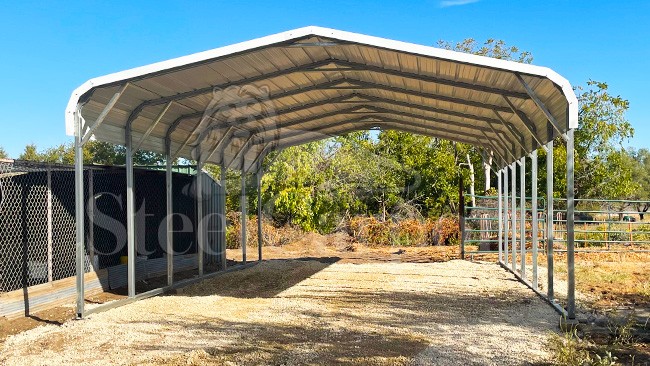
SC62
RV Carports · Regular roof
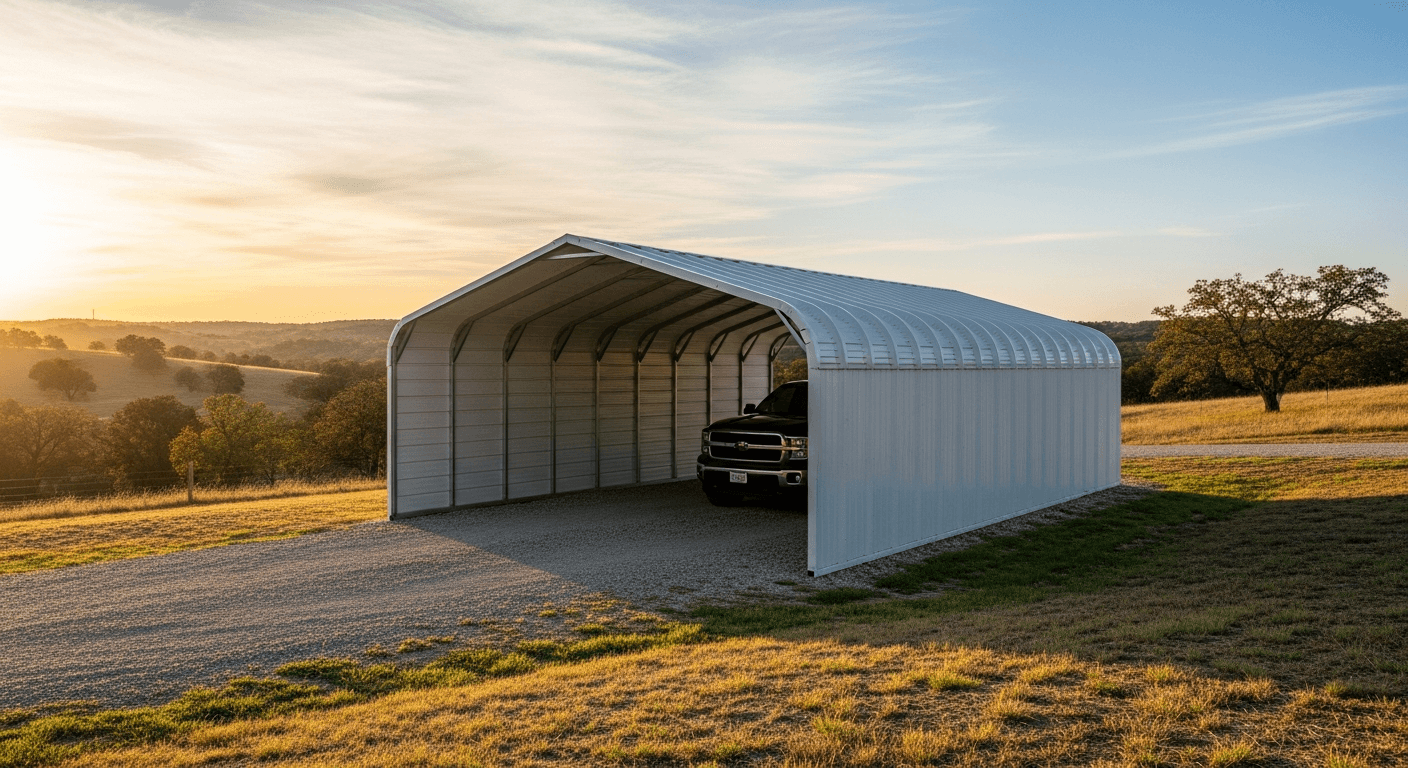
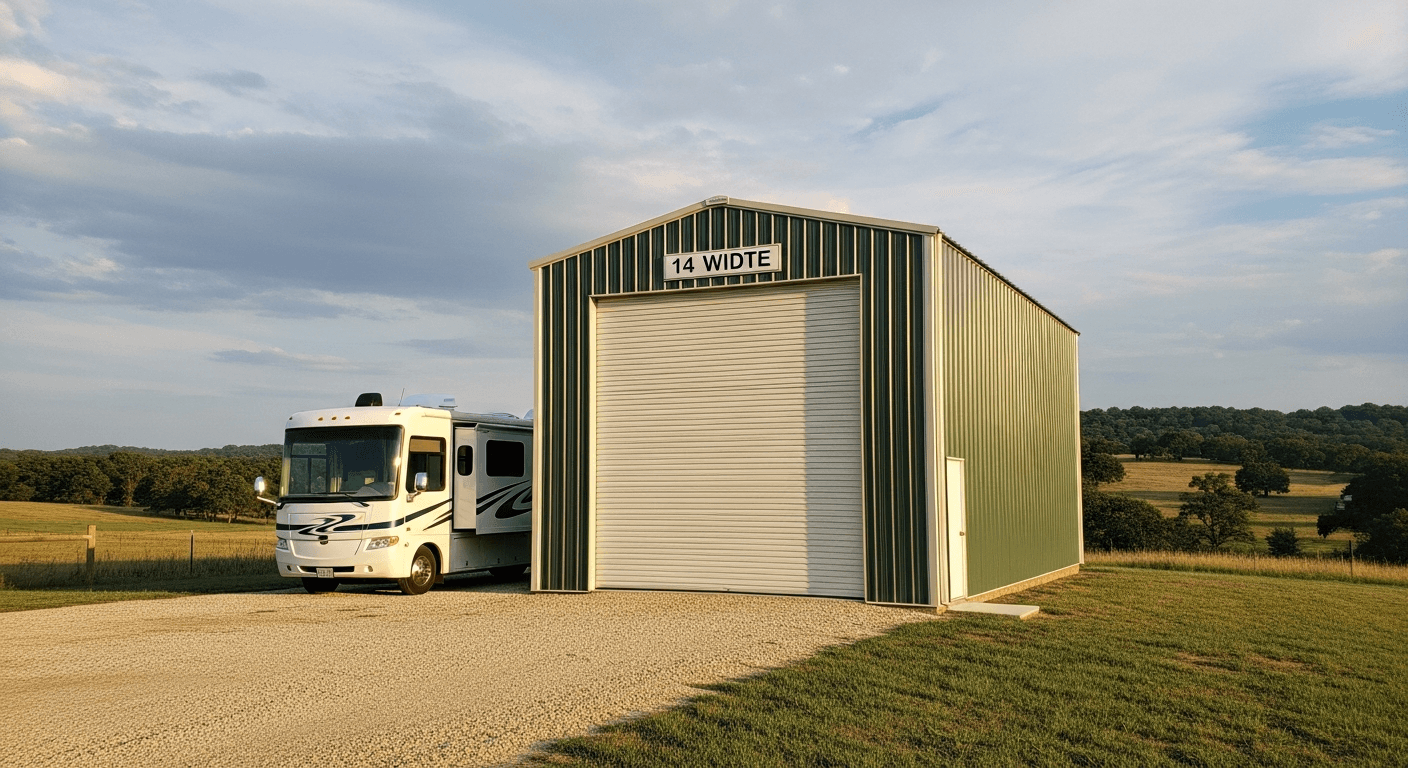
18′x31′x7′ Regular Roof RV Carport
Sq ft
558
Bays
1
Eave
7′
PopularClass A motorhome cover with full walk-around
AlsoGreat for a wash and detail pad.
From $54/mo · 5 yr · 6.9% APR
Florida has more boats and more RVs than anywhere else in the country, and almost all of them live outside. Sun fades and cracks what it touches, salt air corrodes what is not coated, and hurricane season decides how the whole thing is engineered and anchored. Galvanized steel and a certified specification answer all three. Delivery and installation are included in the price.

Boats, RVs and trailers. Florida keeps them under steel. Galvanized steel, delivered and installed across Florida. Sun, salt, storm season. Florida steel gets certified for it.
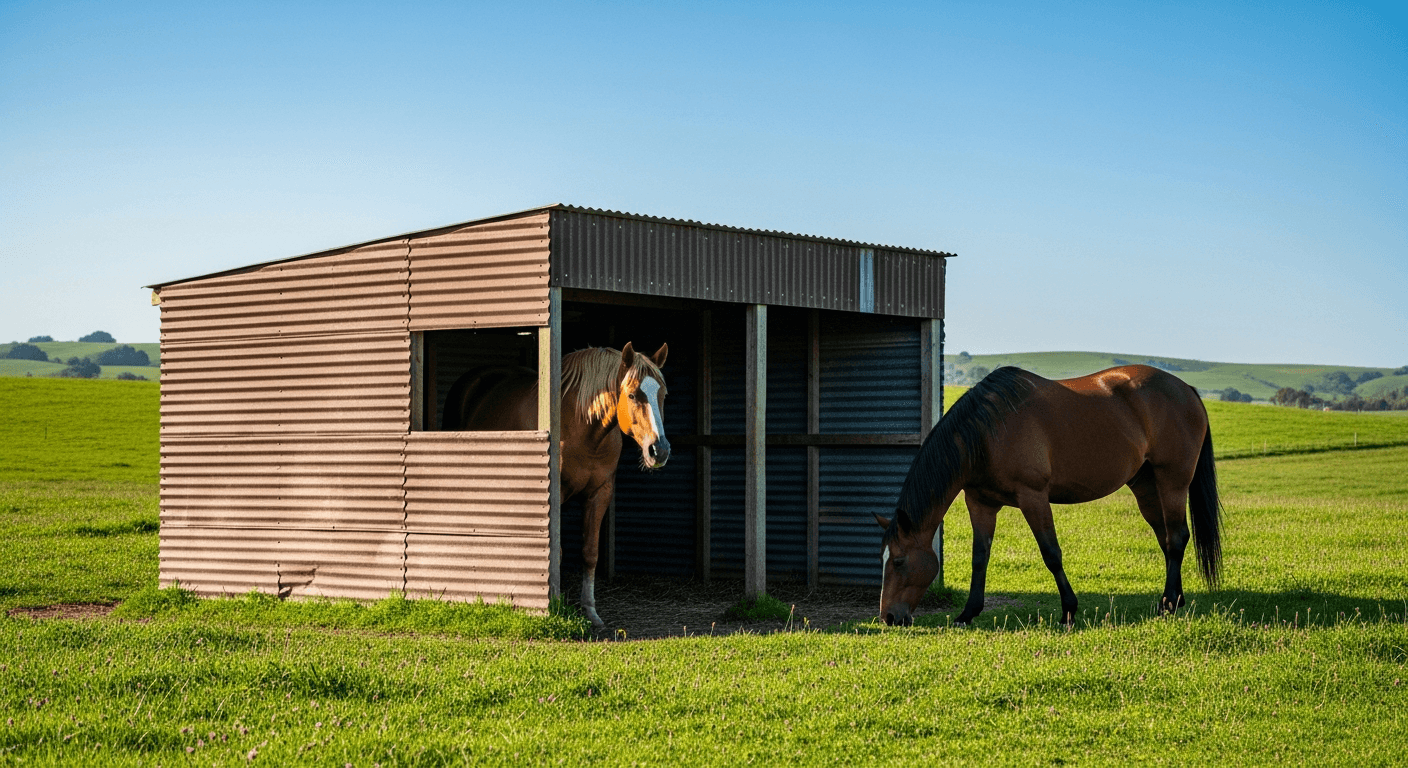
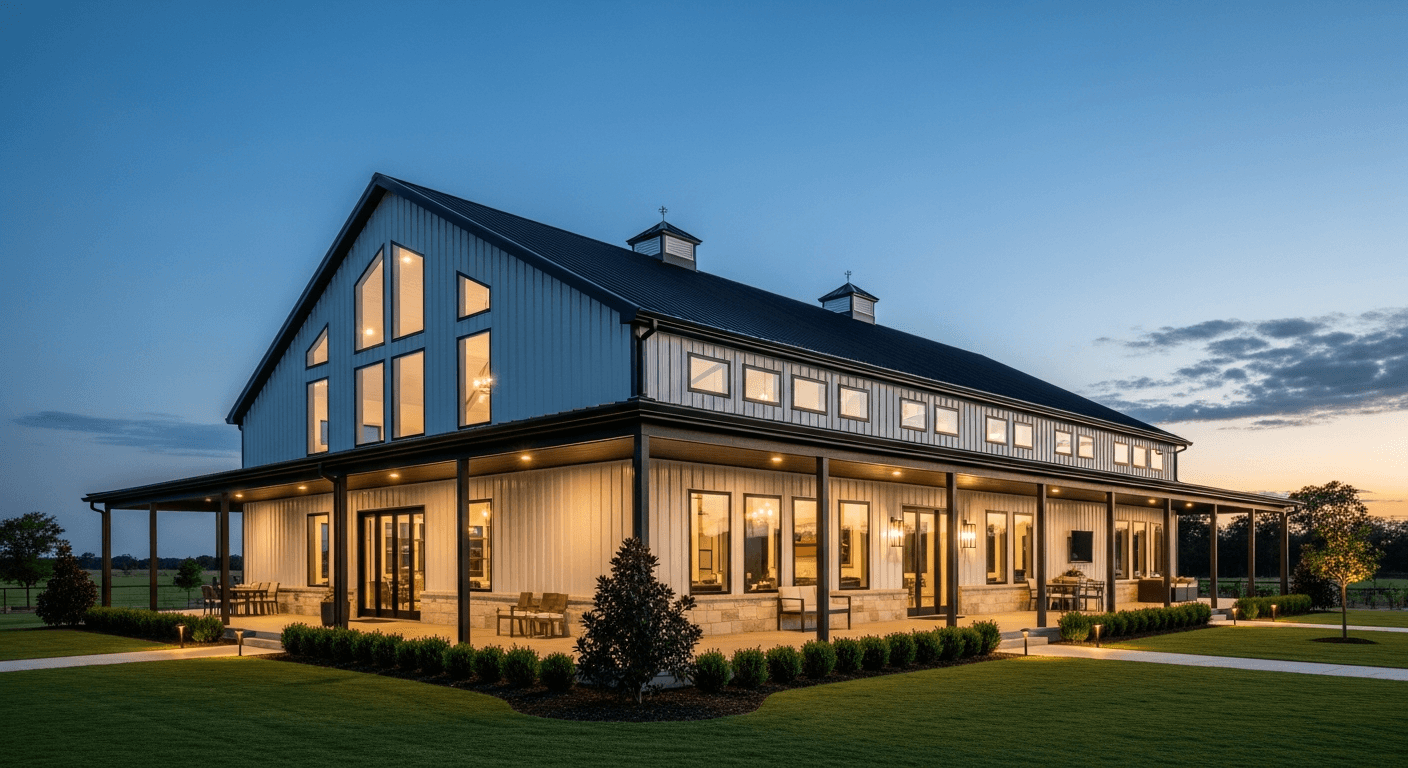
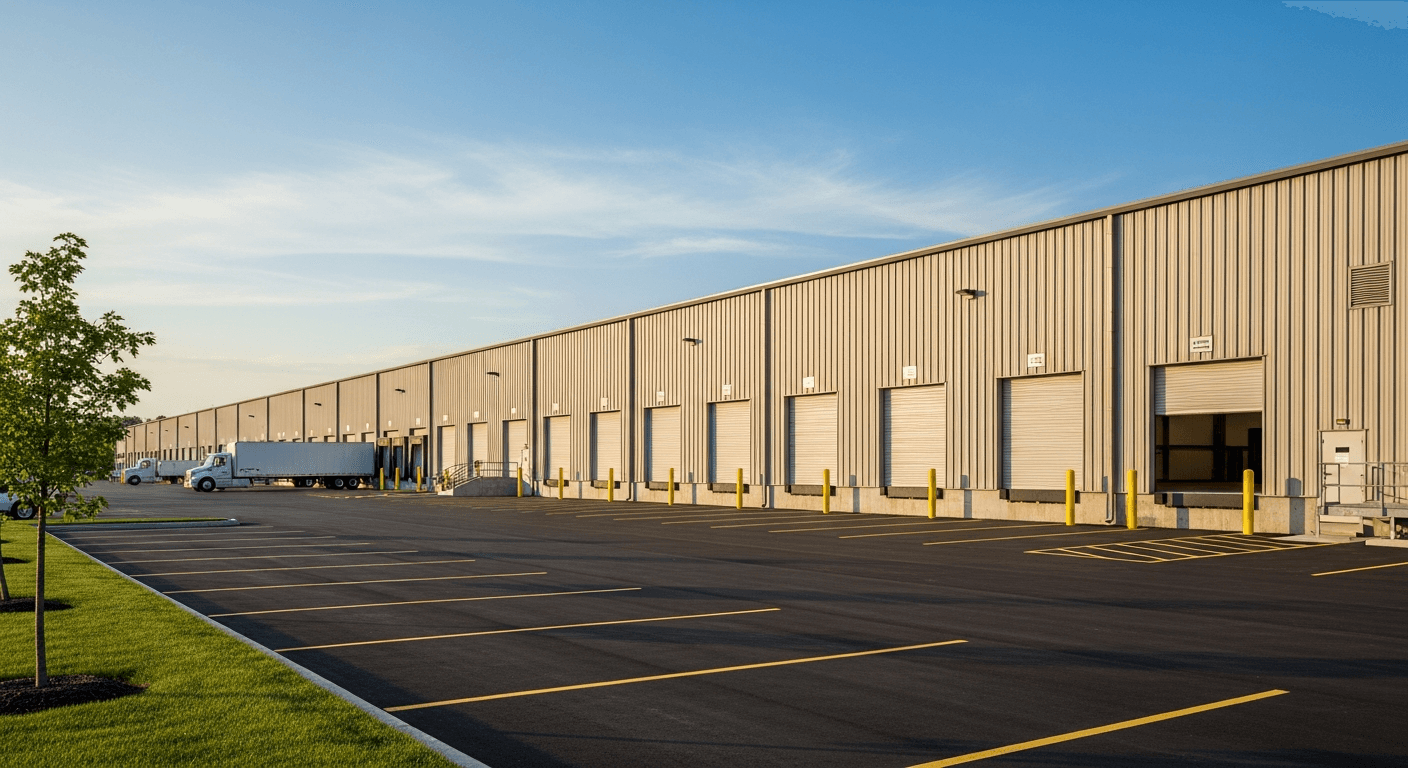
A spread across the building types Florida leads with. Delivery and installation are included, and the specification shifts with what your county requires.
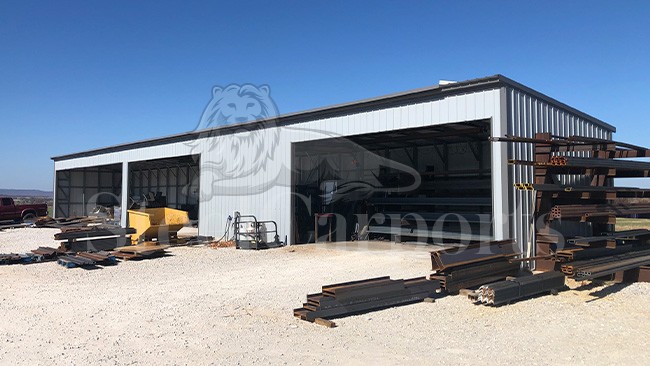
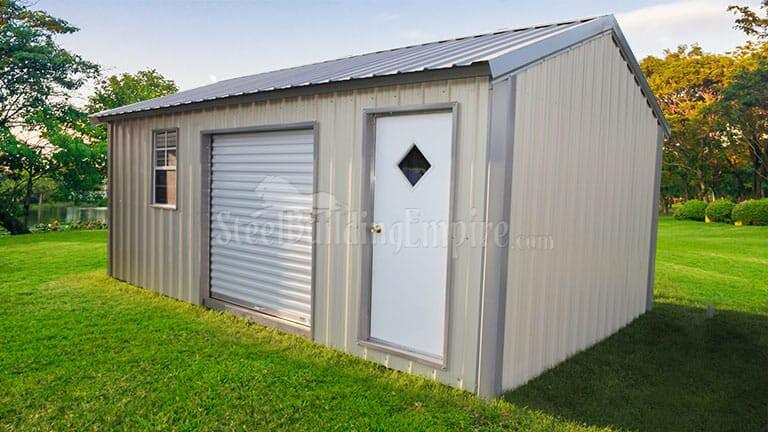
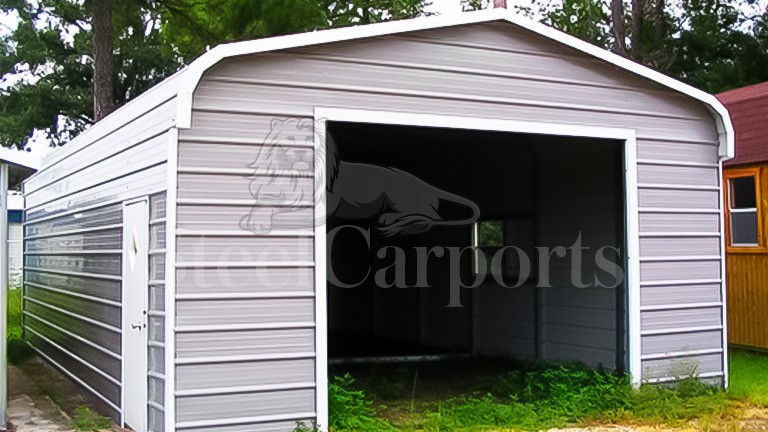
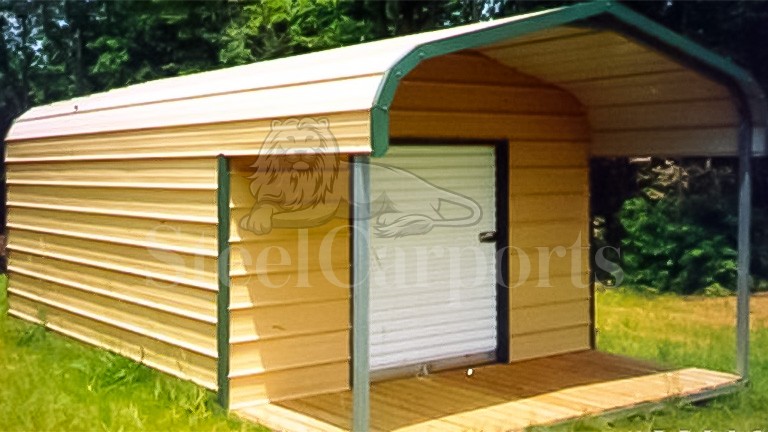
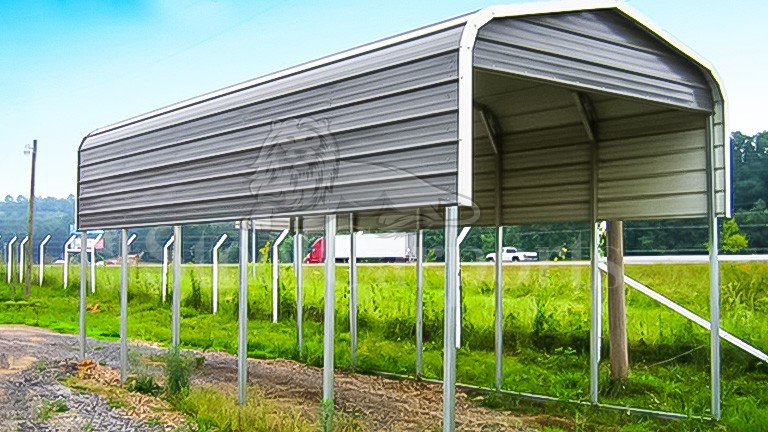
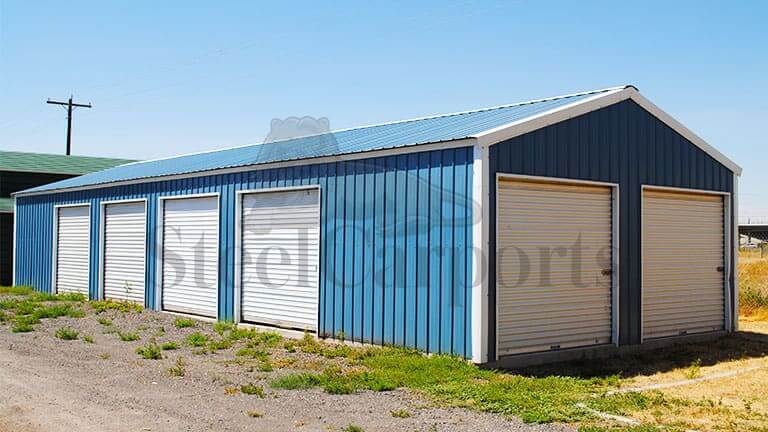
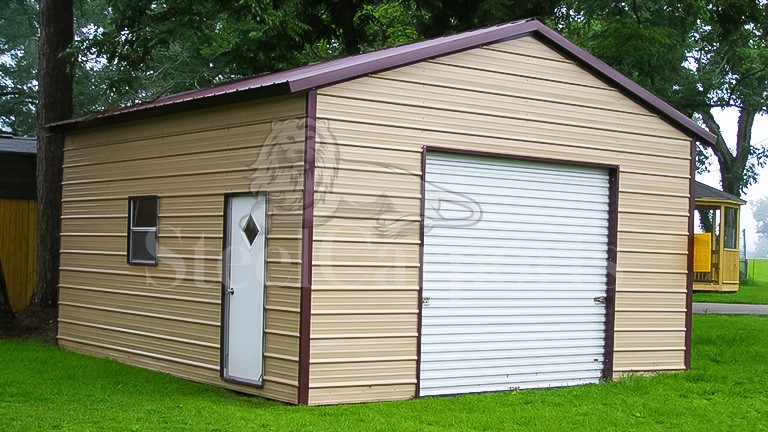
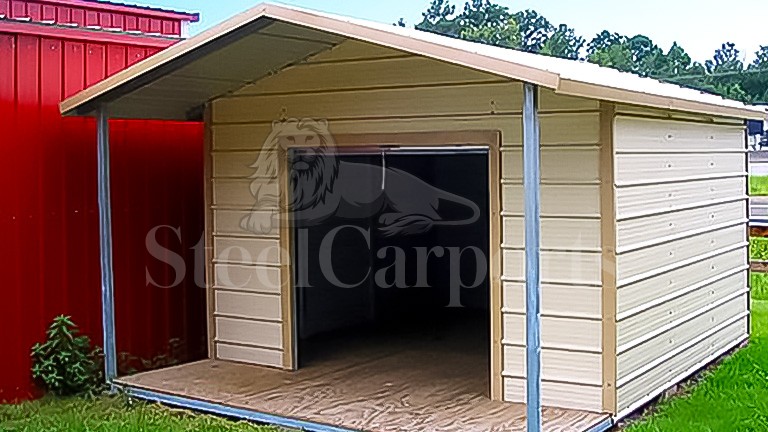
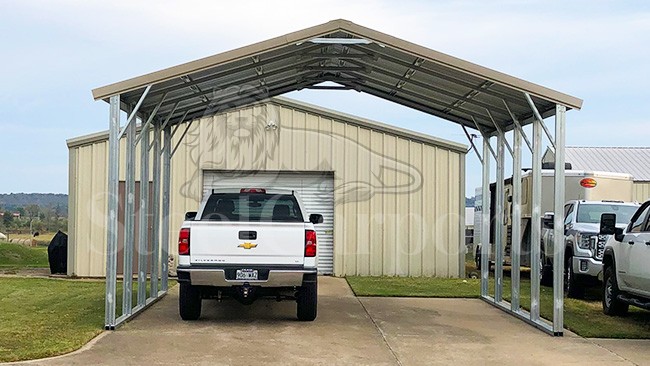
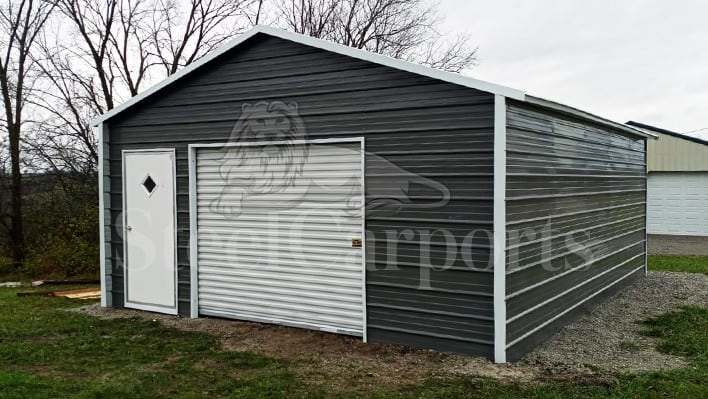
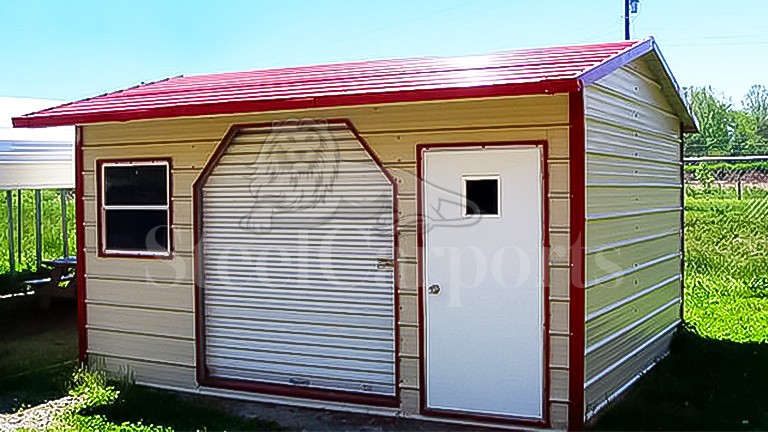
Florida does not have weather regions the way a wide state does — it has one climate that attacks a building in three separate ways, and each one is a different line on the order.
UV is the load nobody prices in. It fades gel coat, hardens tires and cracks trim, and an uncovered boat or coach ages faster sitting still in Florida than it does being used. Shade is the cheapest protection you will ever buy for either.
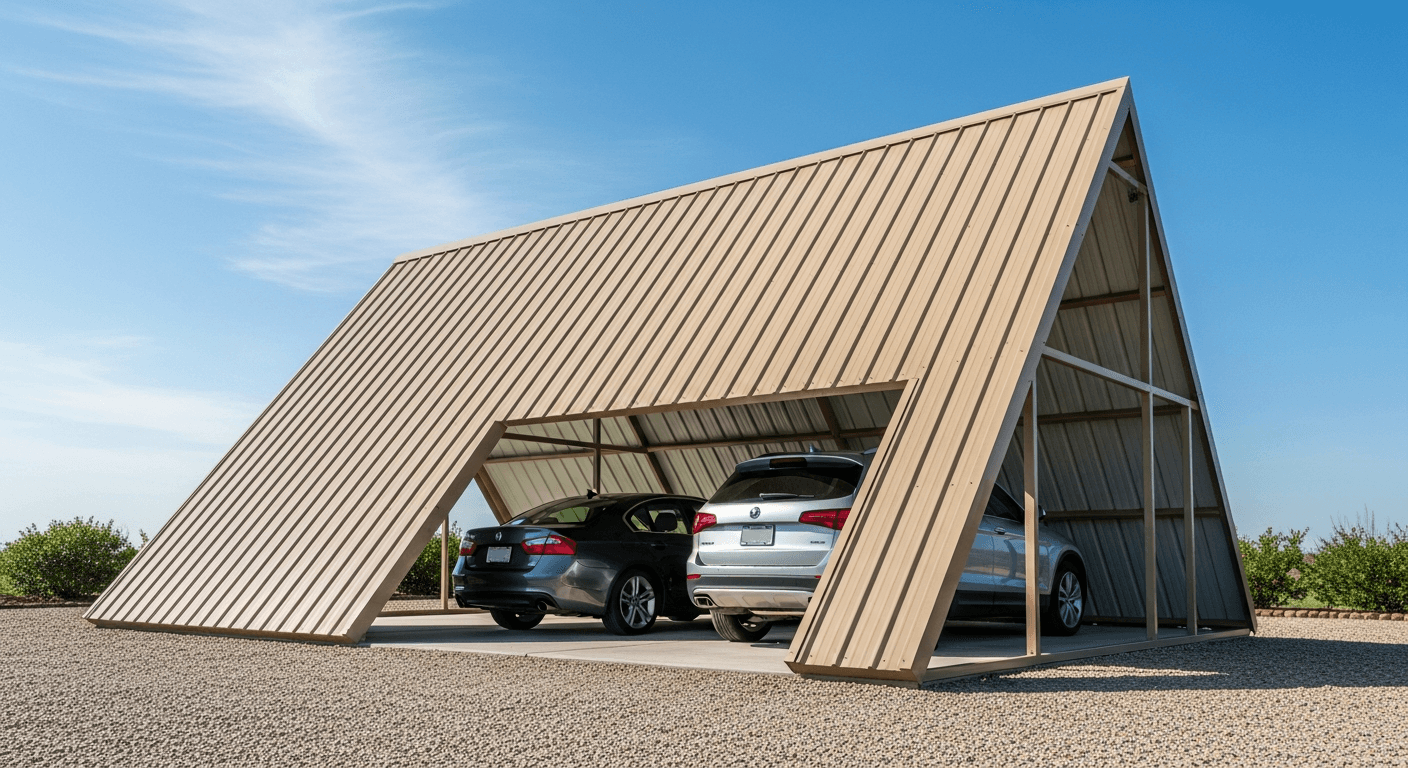
Corrosion is what shortens the life of an untreated structure near the water, and galvanized framing is precisely what that calls for. A vertical roof helps too — water runs down the panels instead of sitting along a horizontal seam.
This is what the engineering answers to. A certified building is designed to the wind figures your jurisdiction enforces, with gauge, roof style and anchoring chosen together — and how it is anchored matters as much as what it is made of.
Certification does more to a Florida quote than square footage does. Here is the order the money really goes in.
A certified building is engineered to the wind figures your jurisdiction enforces. South Florida is a more demanding environment than the panhandle, and Miami-Dade and Broward more demanding again — so the same footprint is genuinely a different building at either end of the state.
In a wind state this is not a detail. What the building is bolted to — a slab, an existing pad, or the ground — changes both the engineering and the price, and it is the first thing a reviewer looks at.
Boat and RV covers are priced by clearance as much as by footprint. Measure the tallest point — the tower, the A/C shroud — and buy the height once. Going taller later is a new building, not a modification.
We do not pour concrete or do foundation work. In Florida the pad is often engineered and permitted in its own right, so get it priced and drawn locally before the building is scheduled.
Boats and coaches lead this list, and that is Florida rather than our catalog talking. Start from what is going underneath, because that decides the clearance, the roof and the certification.
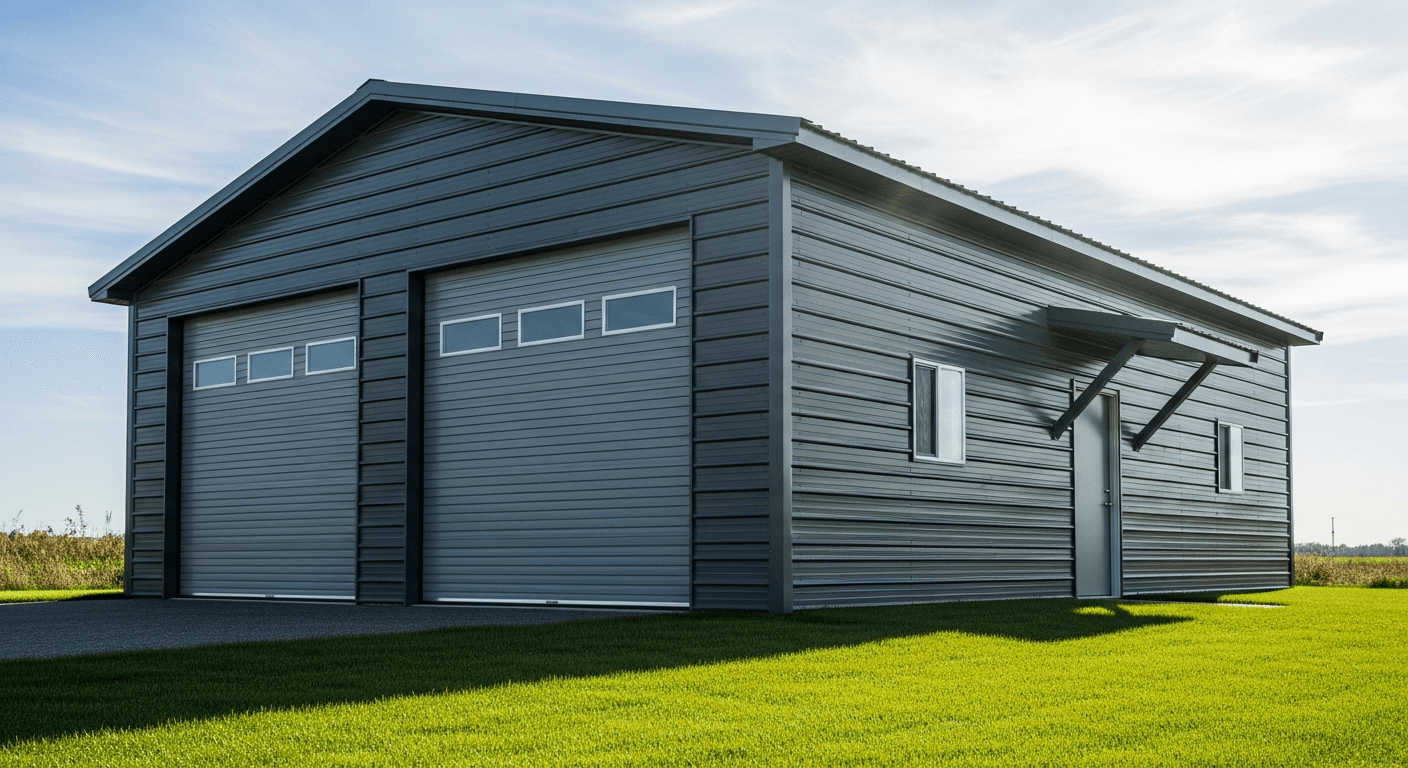
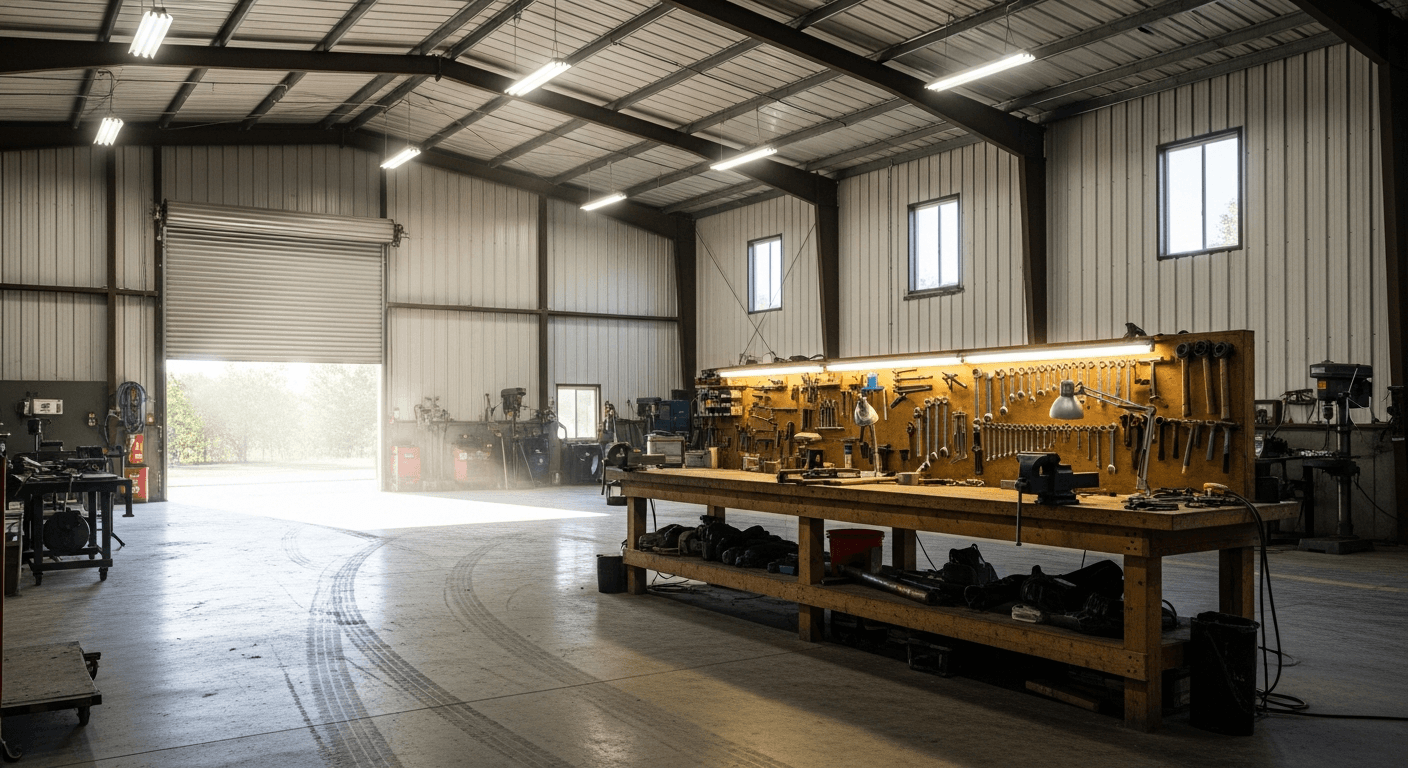
Most people know what has to go inside long before they know which building that is. Tell us what it has to do, and we'll match it — from an open carport to a fully enclosed commercial span.
Florida permits seriously. That is good news once you are through it — the certification you file is the same document that proves the building was engineered for the wind where you live. Find your county below.
Jacksonville, Miami, Tampa, Orlando, St. Petersburg and the rest each run their own permitting, and the coastal cities add their own requirements. Plan on filing, and plan on a stamped drawing being part of the submission.
The county building department handles it, and in south Florida that is a demanding review. Flood zone and anchoring come up before anything else, so ask about those first.
Engineer-stamped drawings certified to the figures your jurisdiction enforces. Confirm what those are before you order, tell us, and we will engineer the building to match with the cost of certification quoted up front.
Search a city or a county and we'll tell you which one you're in and who issues the permit there. No form, no email.
* Design wind speed and ground snow load are declared by each jurisdiction — the International Residential Code prints both blank for the local authority to fill in (Table R301.2).
This is the list we publish, not a boundary. A town on it is certainly covered; a town missing from it is a question rather than a no. Search for yours below, and if it is not here, one call settles it before you spend anything.
The five or six things people ask before they order, answered for this state rather than in general.
Give us the county and what the building is for, and you'll get a price that reflects both — not a number off a national list.