
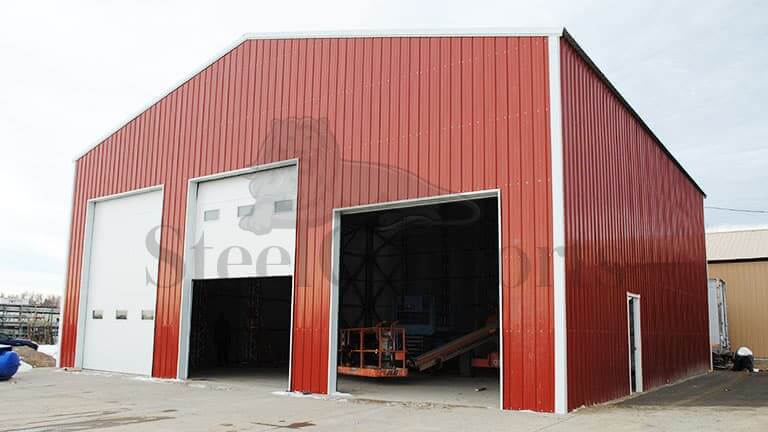
SC213
Metal Workshop Buildings · Regular roof
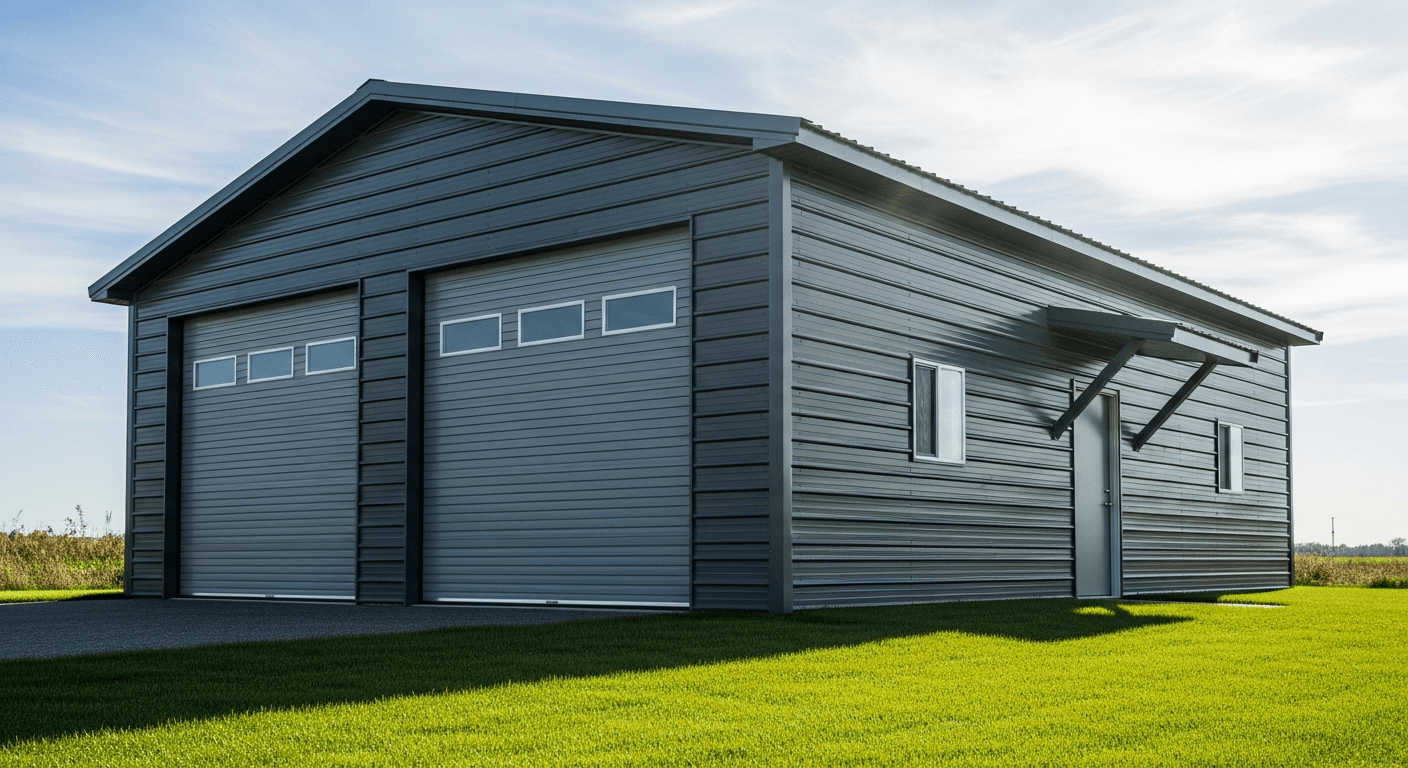
50′x50′ Metal Building
Sq ft
2,500
Bays
5
Eave
18′
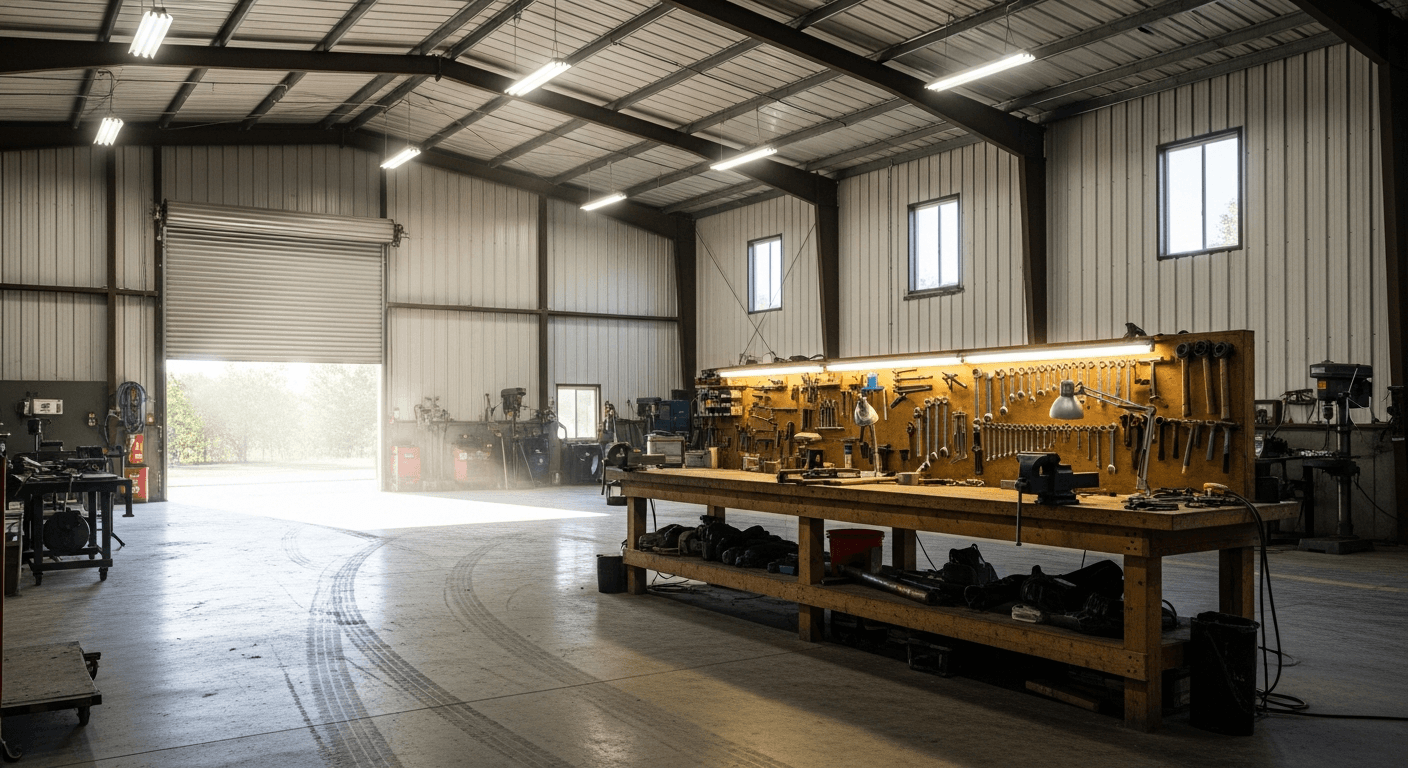
PopularWelding and metal-fab shop with overhead clearance
AlsoGreat for an apprentice bay.
From $566/mo · 10 yr · 6.9% APR
West of the Cascades, rot is what ends buildings. Eight months of rain gets into a wood frame, and moss finds whatever the water leaves. A galvanized steel frame simply does not have that failure mode. East of the mountains the problem flips to snow load and cold, and the same catalog gets a different specification. Delivery and installation are included in the price.

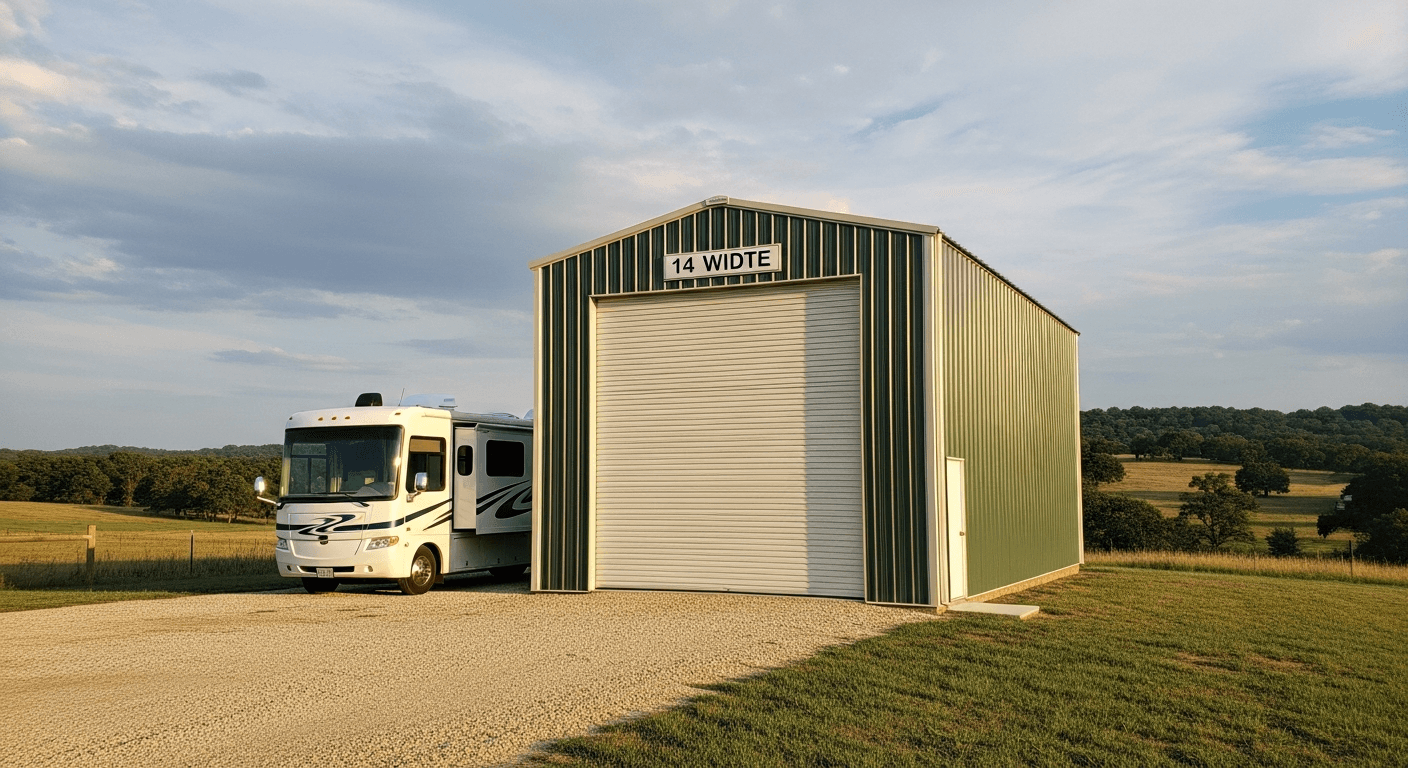
RVs, boats and tools out of the rain. Oregon uses steel. Galvanized steel, delivered and installed across Oregon. Eight months of rain. Oregon steel does not rot or warp.
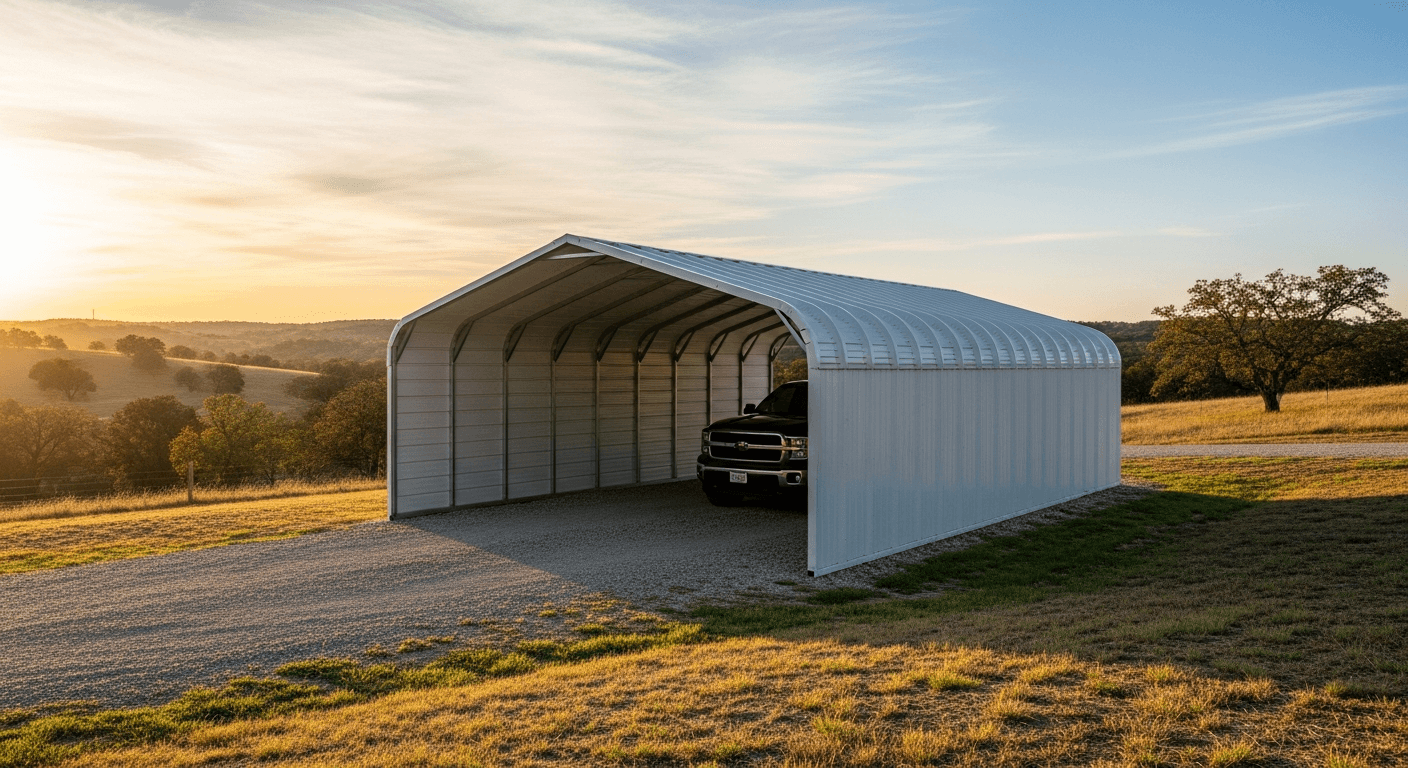
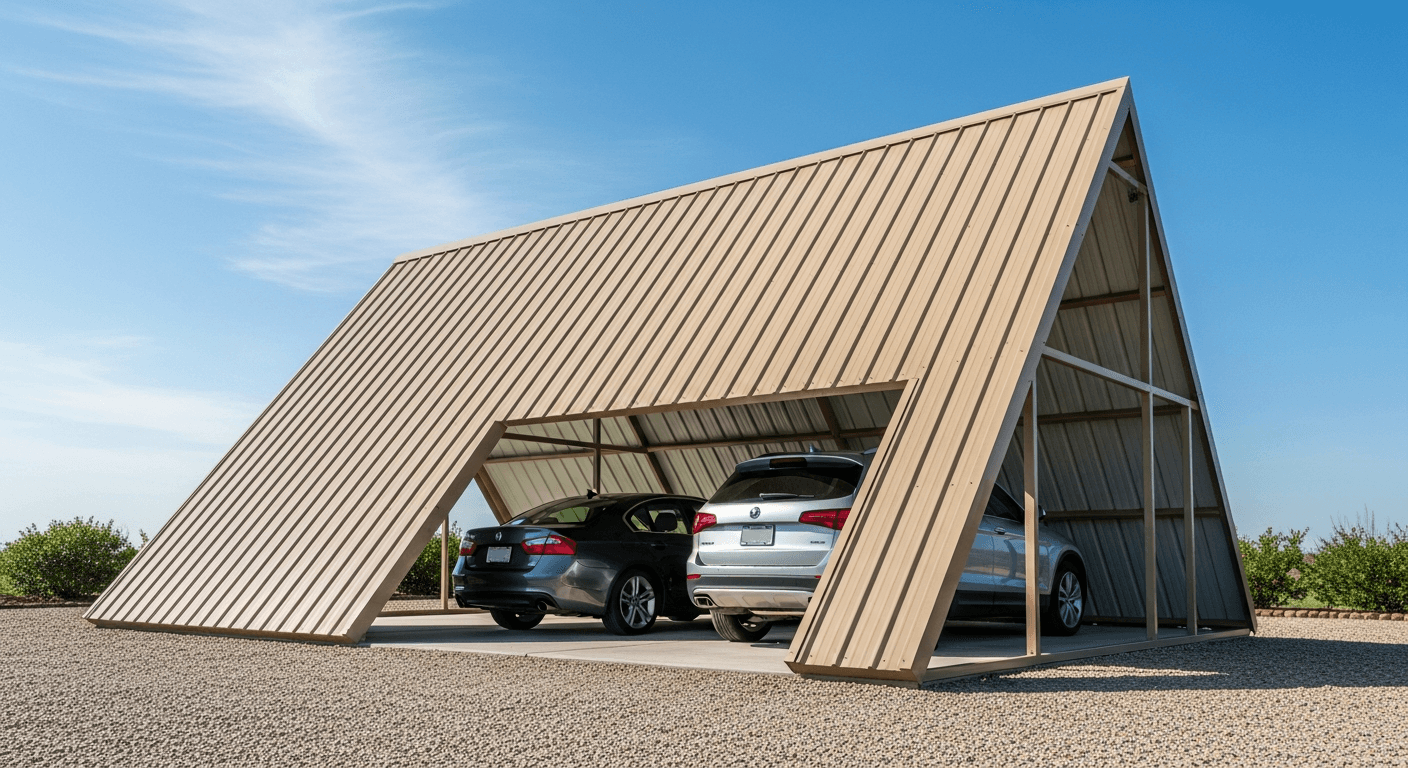
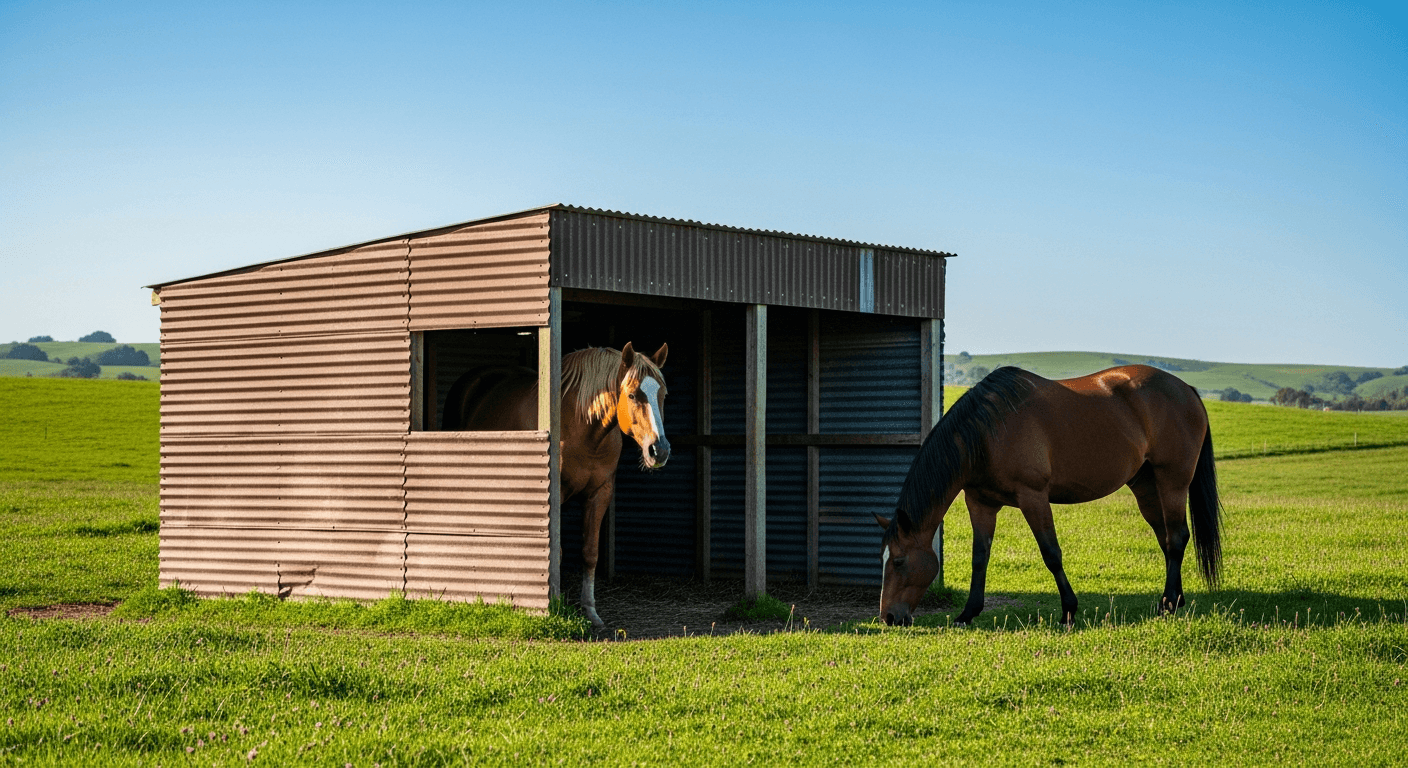
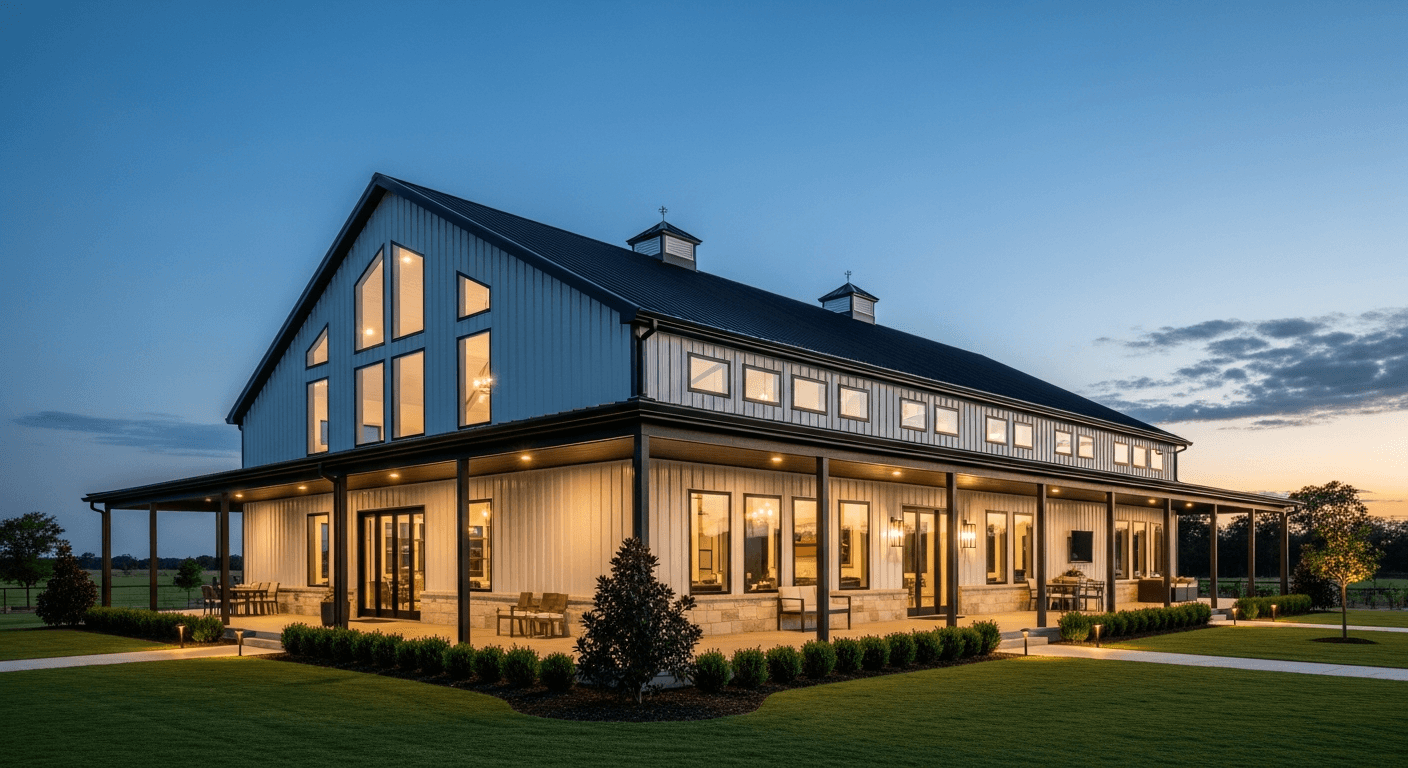
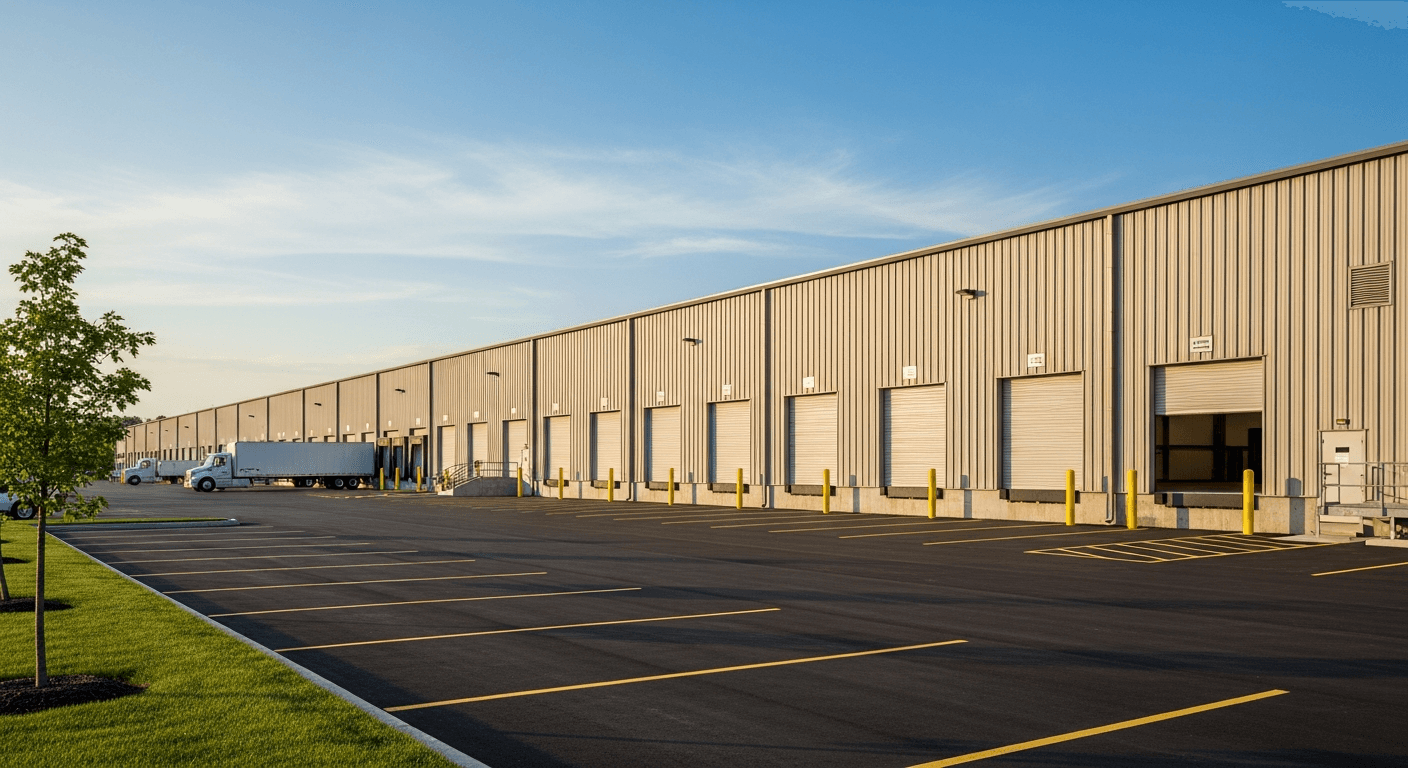
A spread across the building types Oregon leads with. Delivery and installation are included, and the specification shifts with what your county requires.
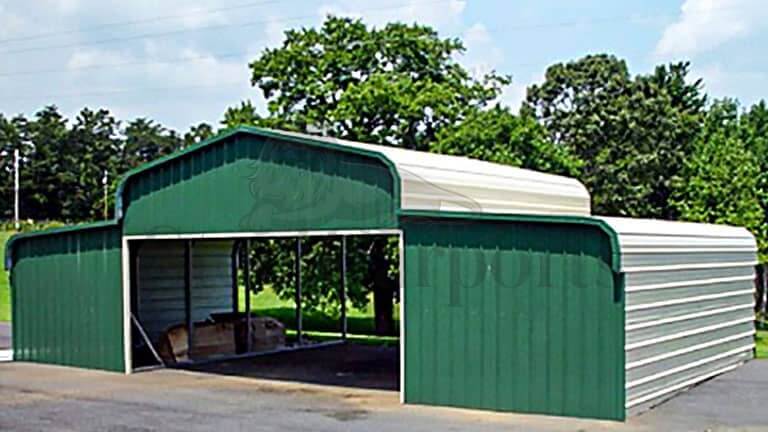
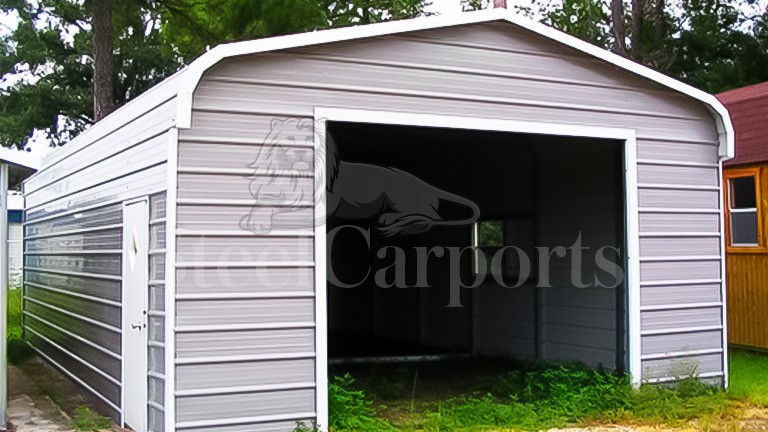
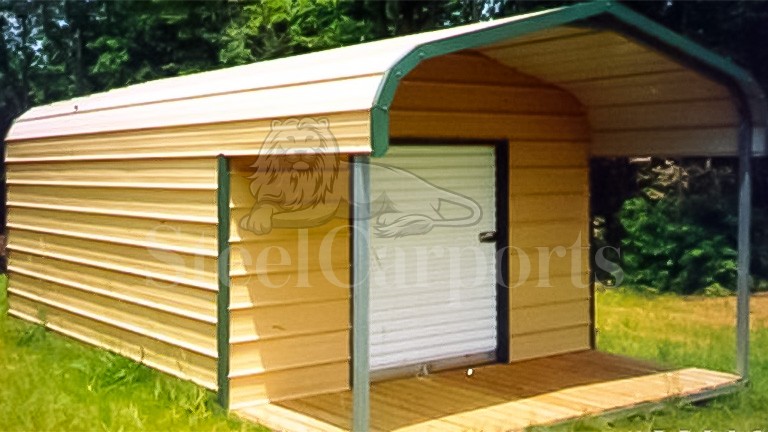
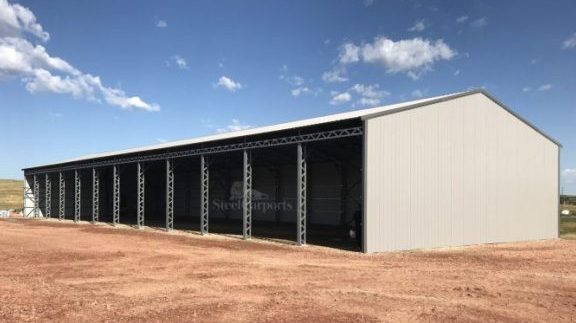
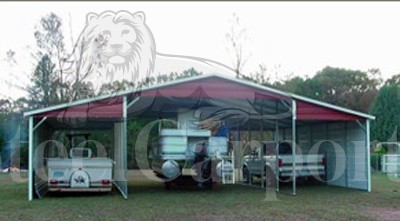
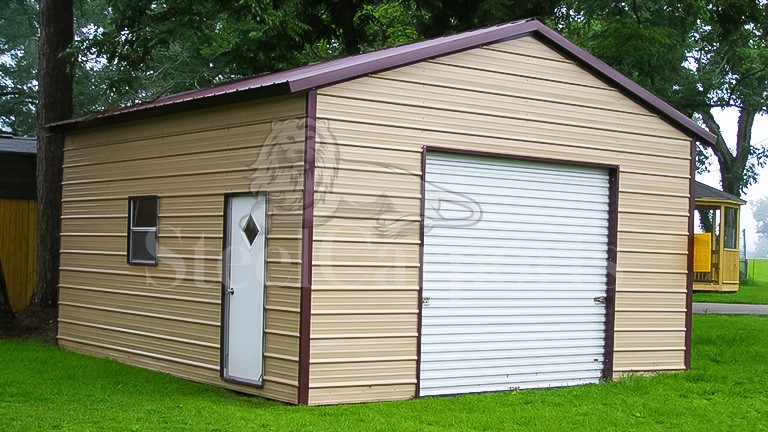
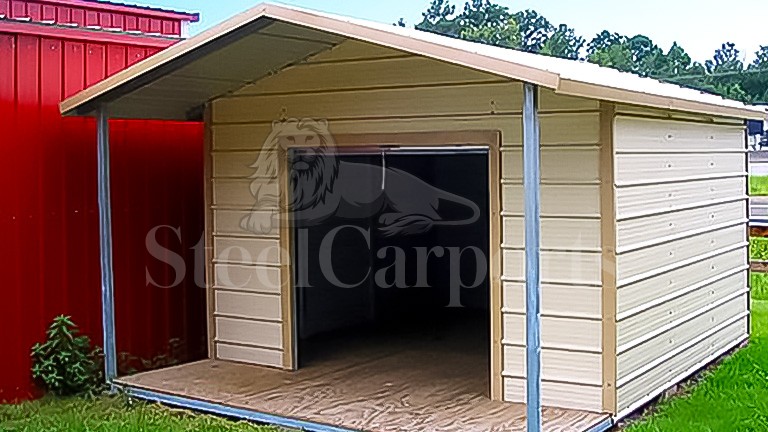
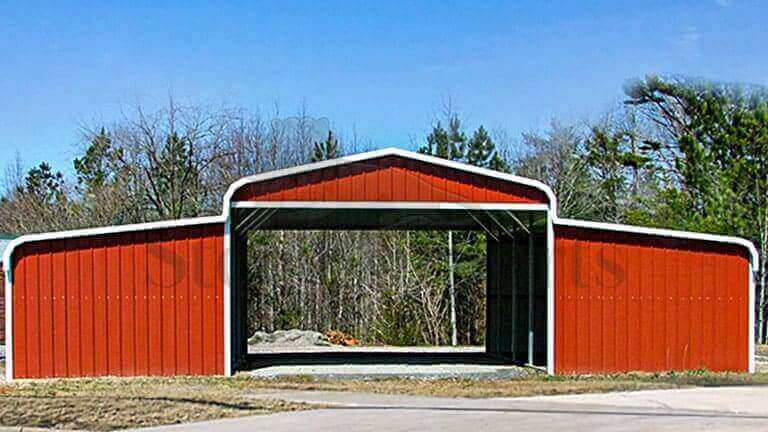
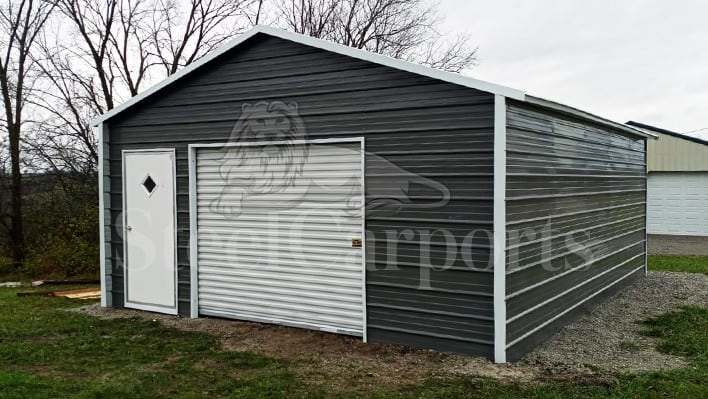
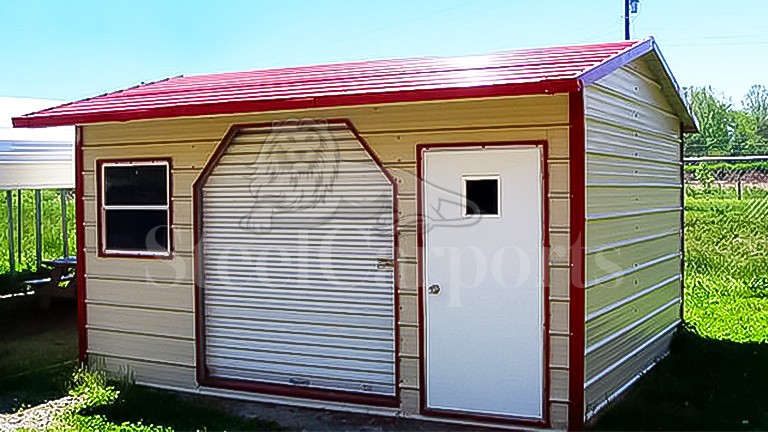
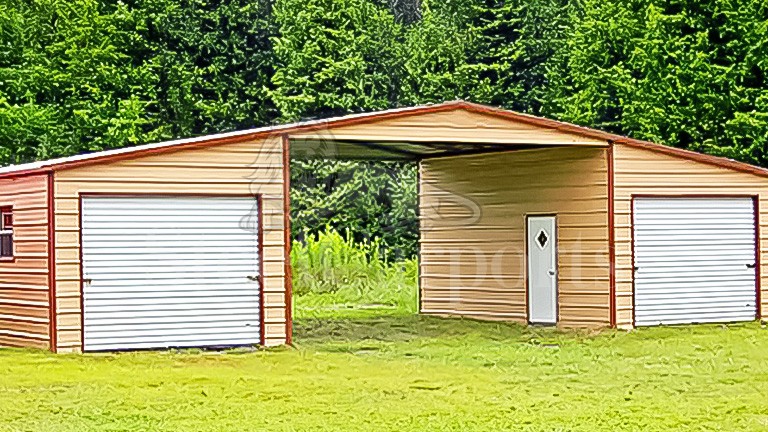
One mountain range, two entirely different buildings. Which side of it you are on decides whether you are engineering against water or against snow.
Persistent rain from October to May, and the busiest part of our Oregon map. This is where a galvanized frame earns its keep outright, and where a vertical roof matters because water needs to leave rather than sit in a seam.
The heaviest rainfall in the state plus salt air and wind off the Pacific. Corrosion and rot together, which is exactly the combination a wood-framed building loses to and a galvanized one does not.
High desert: cold, dry and snowy, with wheat and cattle ground through the northeast. Snow load becomes the governing figure out here, so the same footprint is a genuinely heavier building than it is in Portland.
Four things, and the first two are decided by which side of the mountains you are on.
Bend, Klamath Falls and the eastern counties answer to a snow figure the Willamette Valley does not. It changes gauge, roof style and anchoring together, which is why we ask for the county rather than the state.
On the west side the vertical roof is the one worth paying for. Water runs down the panels rather than tracking along horizontal seams, and over eight wet months that difference is what keeps a roof performing.
Oregon takes land use seriously outside the urban growth boundaries, and what you are allowed to build on rural or farm-zoned land can be a separate question from whether the structure passes. Worth asking early — it is the step that surprises people here.
We do not do groundwork or foundations. On saturated valley ground drainage is the whole problem, and east of the mountains it is frost depth — either way, price it locally before the install is scheduled.
Oregon's ranking leads with enclosed RV storage and shop buildings — what people here want is a dry space, not just a covered one. Start from the job.
Most people know what has to go inside long before they know which building that is. Tell us what it has to do, and we'll match it — from an open carport to a fully enclosed commercial span.
Oregon has two questions where most states have one: can the structure be permitted, and is the use allowed on that land. Find your county below and ask both.
Portland, Salem, Eugene, Gresham, Hillsboro, Beaverton and Bend each run their own permitting. Expect a real review, and expect setbacks and lot coverage to be examined closely in the metro.
The county handles it, and land-use rules outside the urban growth boundaries can limit what may be built and for what purpose — separately from the building code. Ask about that first if you are on farm or forest land.
Engineer-stamped drawings for any jurisdiction that requires them. Confirm what yours asks for, tell us what it is, and we certify the building to it with the cost of certification quoted up front.
Search a city or a county and we'll tell you which one you're in and who issues the permit there. No form, no email.
* Design wind speed and ground snow load are declared by each jurisdiction — the International Residential Code prints both blank for the local authority to fill in (Table R301.2).
This is the list we publish, not a boundary. A town on it is certainly covered; a town missing from it is a question rather than a no. Search for yours below, and if it is not here, one call settles it before you spend anything.
The five or six things people ask before they order, answered for this state rather than in general.
Give us the county and what the building is for, and you'll get a price that reflects both — not a number off a national list.