
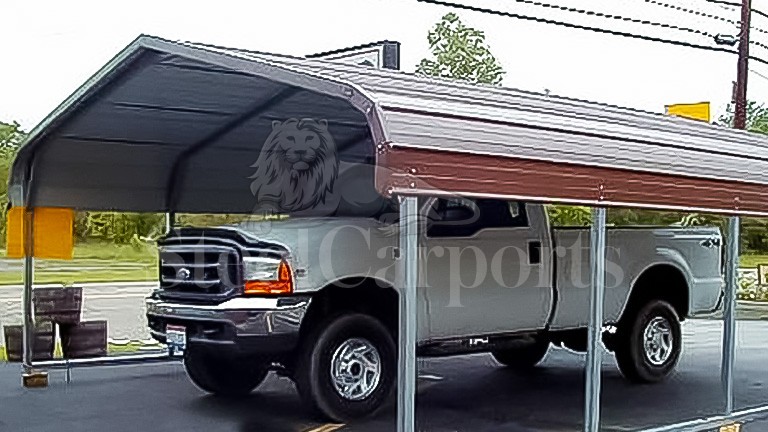
SC71
Regular Roof Carports · Regular roof
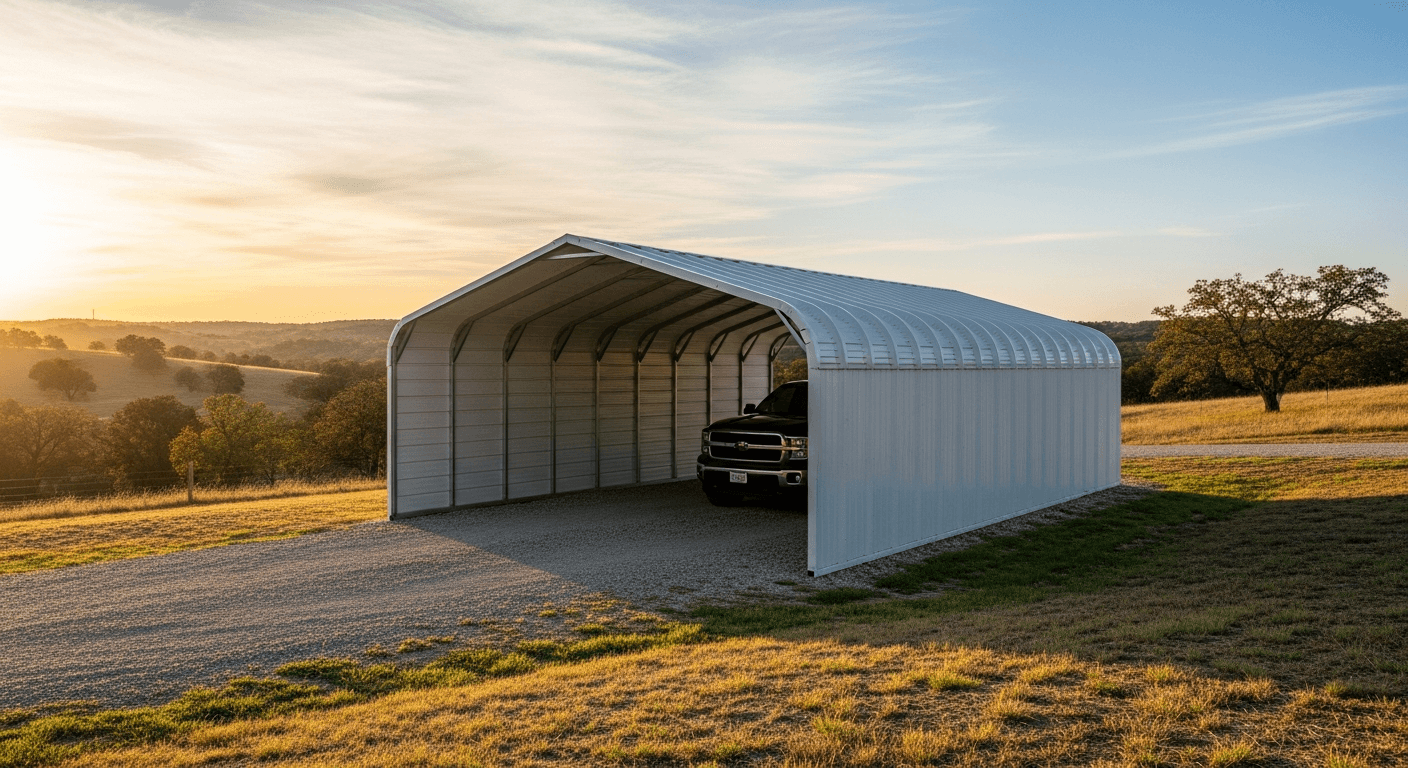
12′x21′x6′ Regular Style Carport
Sq ft
252
Bays
1
Eave
6′
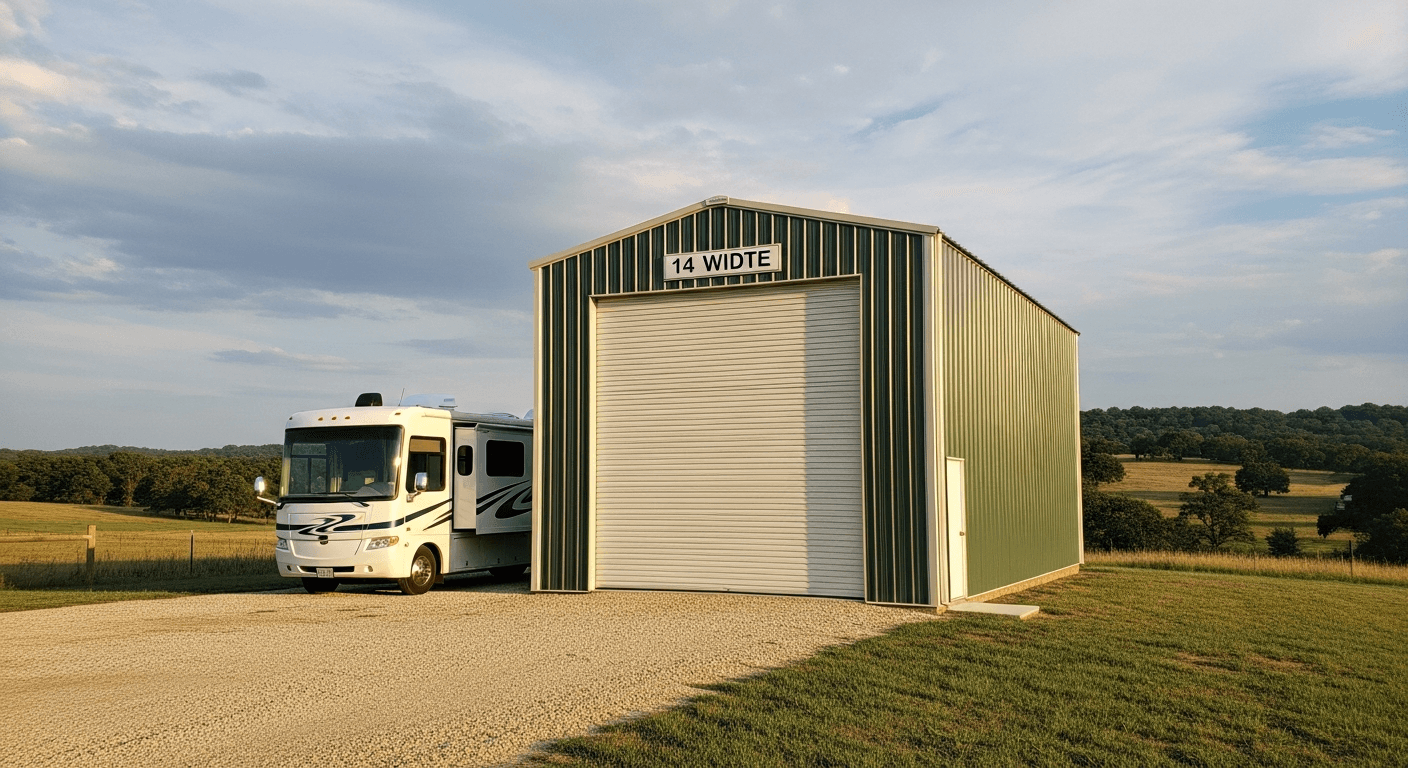
PopularTruck and boat side-by-side under one cover
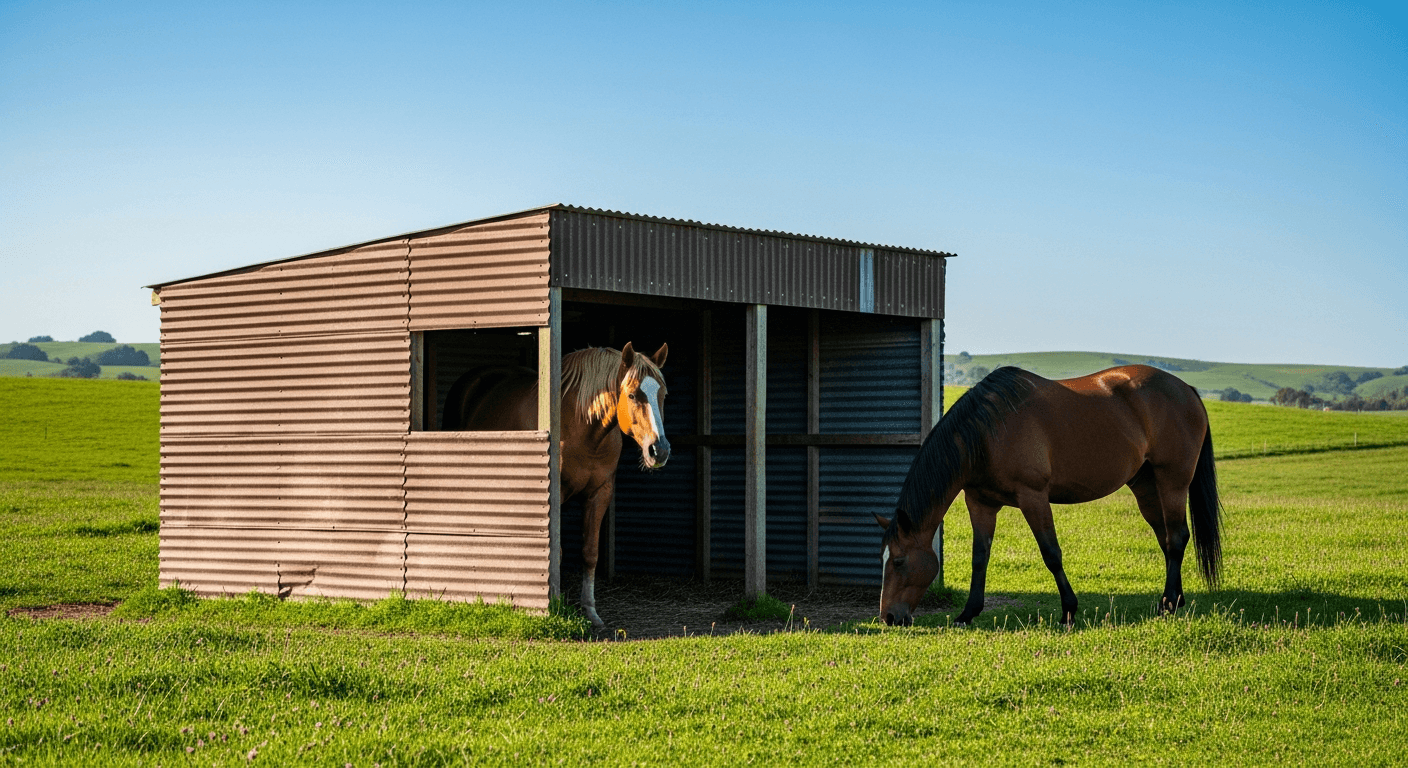
AlsoGreat for livestock shade.
From $30/mo · 5 yr · 6.9% APR
South Carolina is warm enough that most of what we deliver here is open rather than enclosed, and wet enough that the frame under it has to be galvanized. On the coast the storm-season wind figure decides the engineering; up in the foothills it is ice. Both are answered by certification rather than by guesswork. Delivery and installation are included in the price.

Boats, trucks and mowers. South Carolina covers them in steel. Galvanized steel, delivered and installed across South Carolina. Lowcountry salt, Upstate ice. South Carolina steel takes both.
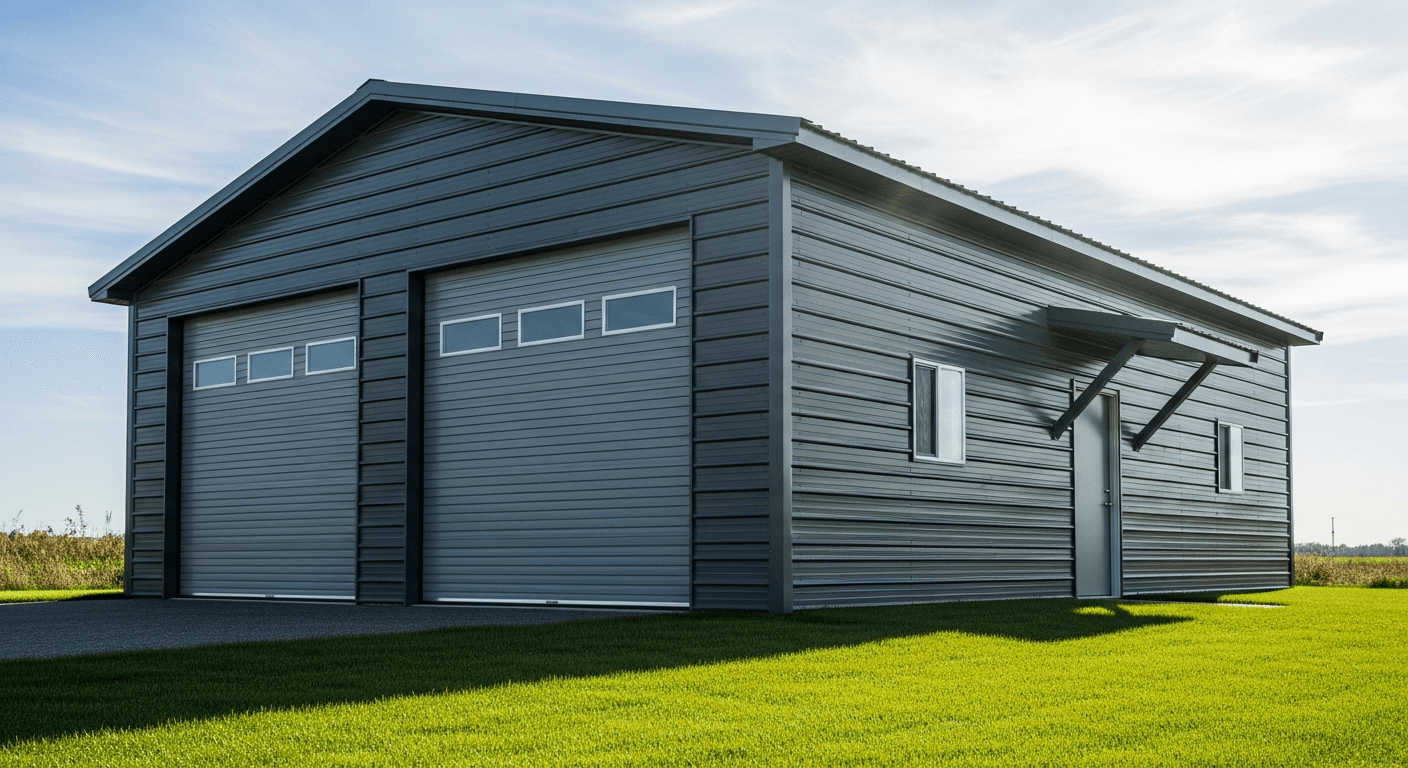
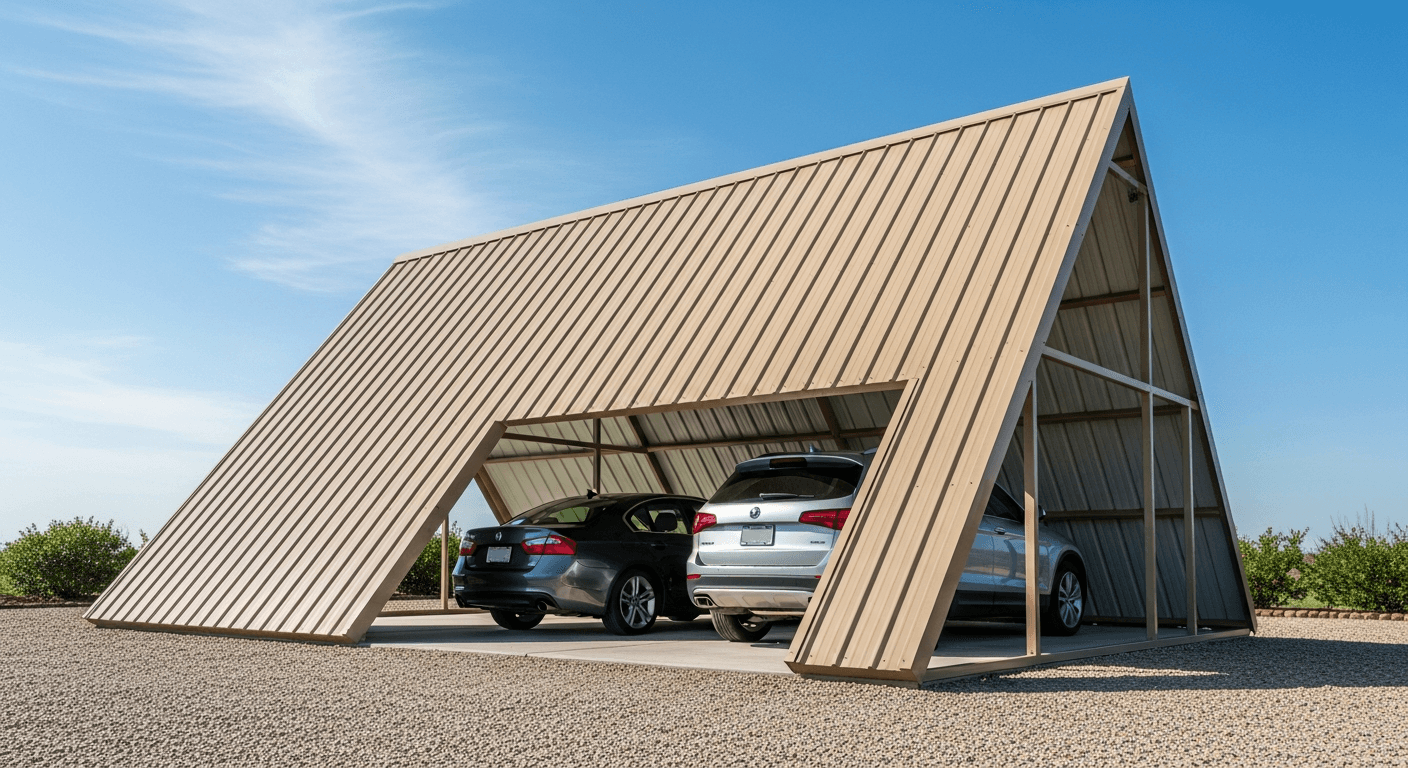
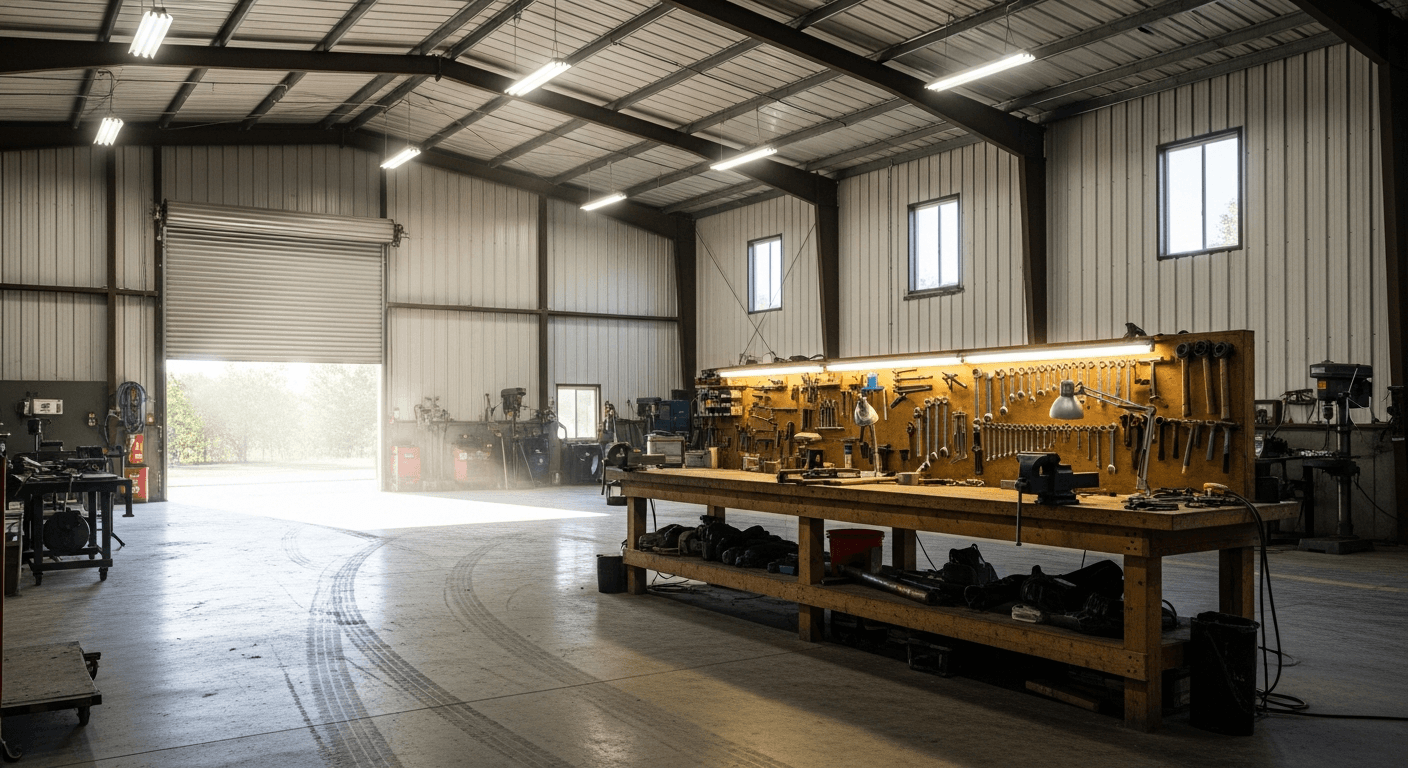
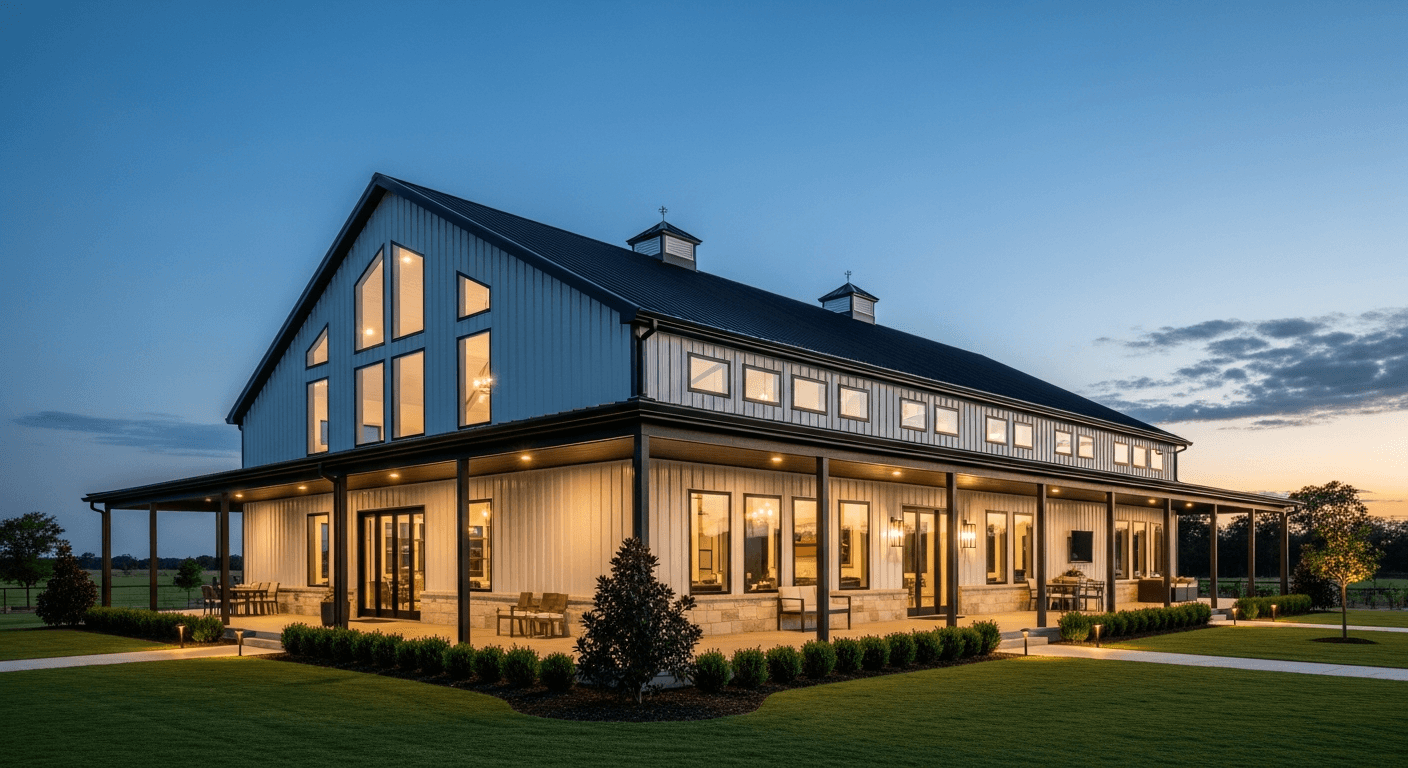
A spread across the building types South Carolina leads with. Delivery and installation are included, and the specification shifts with what your county requires.
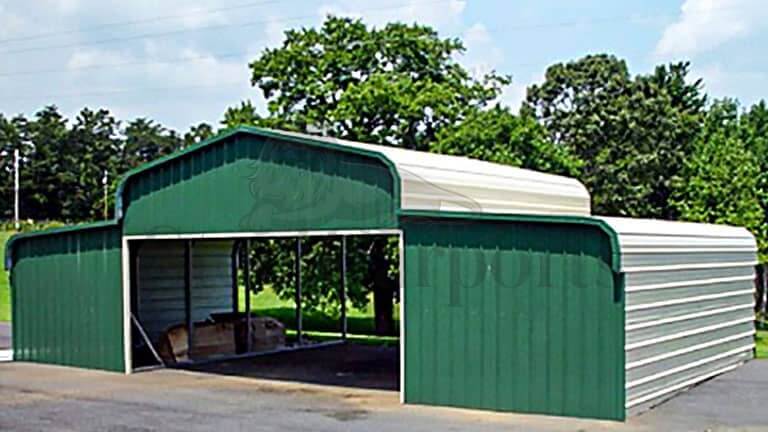
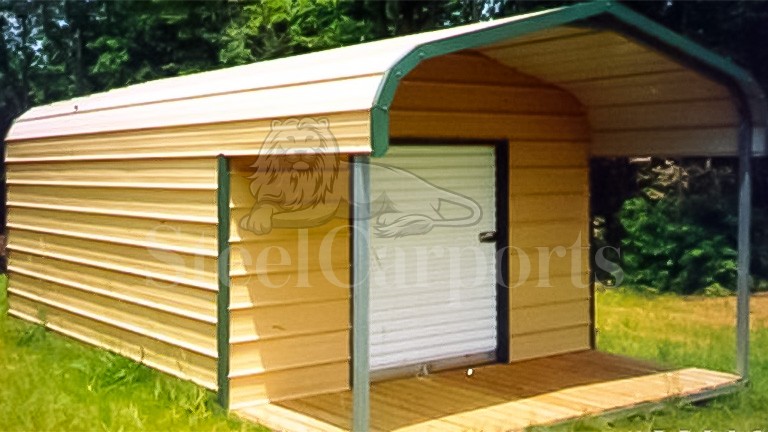
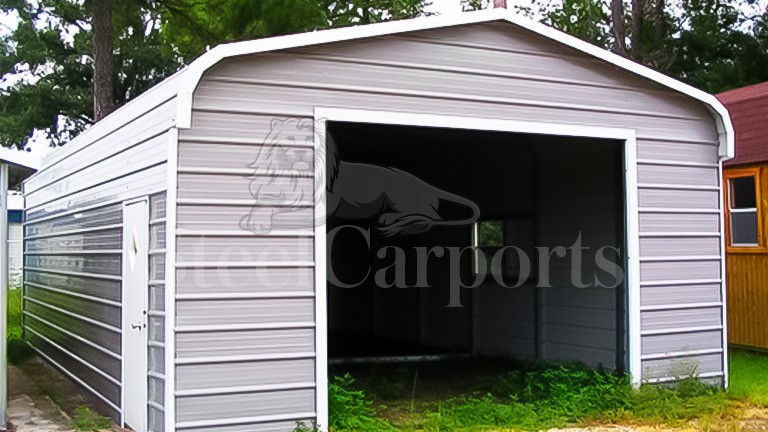
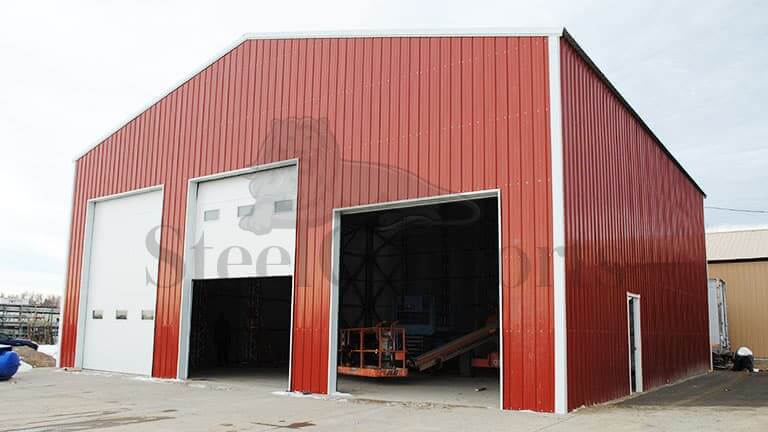
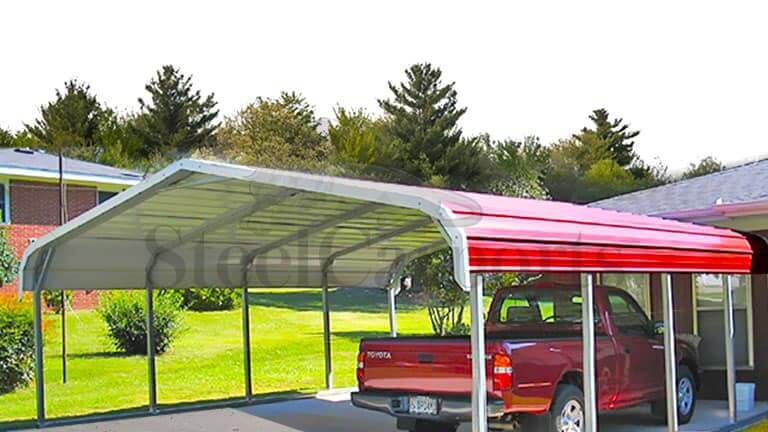
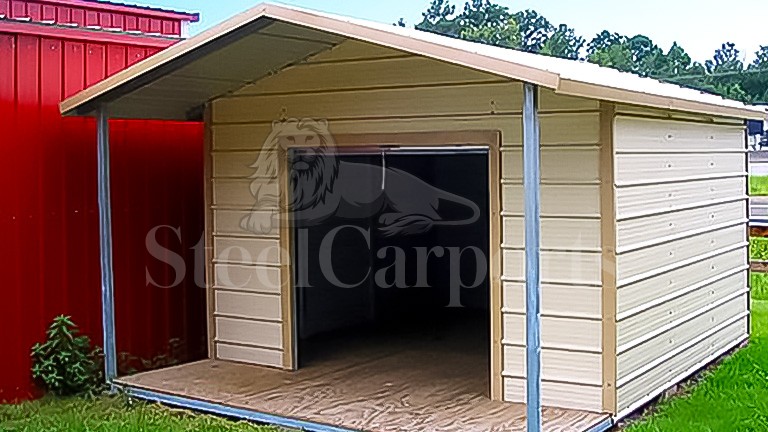
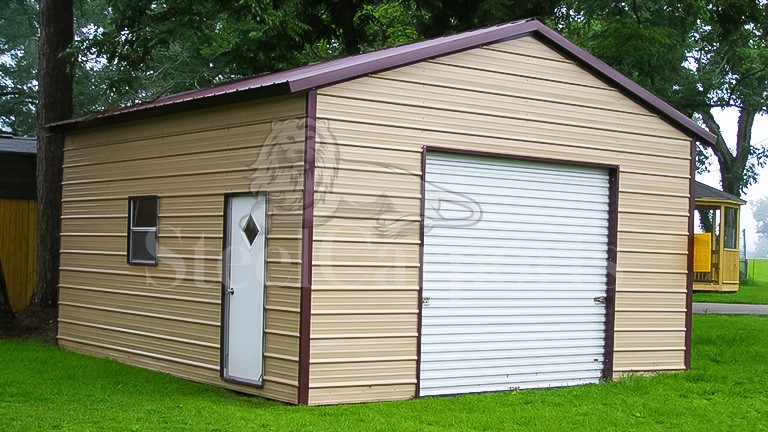
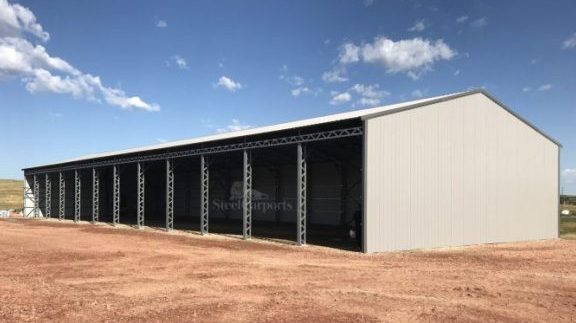
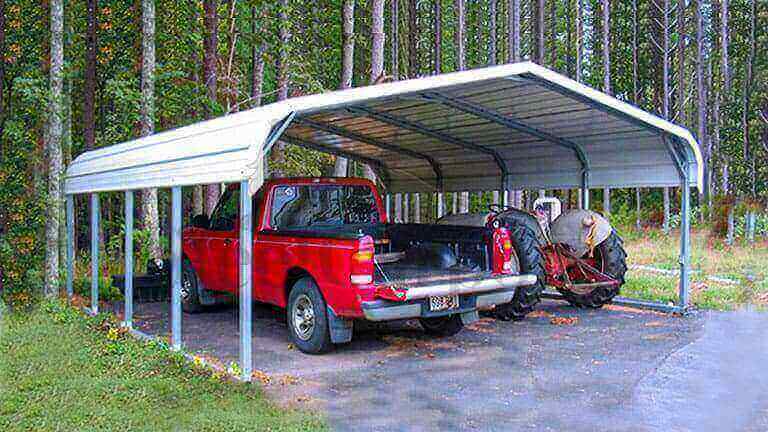
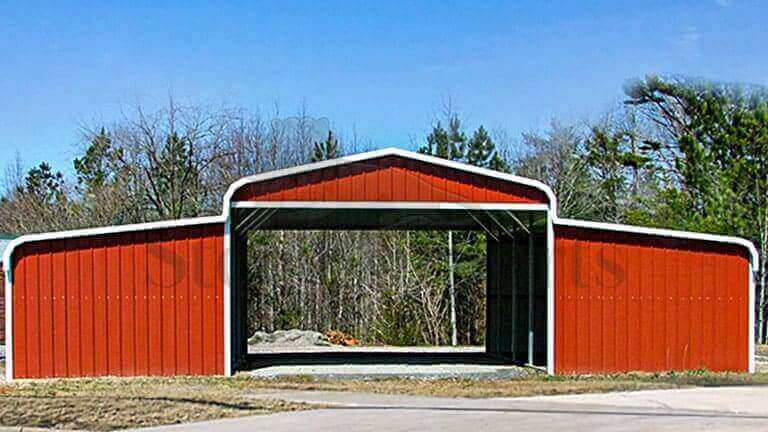
Four things move a South Carolina price, and the first is which end of the state your address is at.
A certified building is engineered to the figures your county enforces, and coastal wind figures are materially higher than inland ones. The same footprint in Mount Pleasant and in Greenville is genuinely a different building.
On the coast this is not a detail — what the building is bolted to is what a wind figure actually governs, and it is the first thing a reviewer looks at. A slab, an existing pad or the ground each change the engineering.
Most of the South Carolina year does not need walls, which is why covers lead here. Where walls earn their money is security and dry storage — a locked building for an outboard, a mower or tools rather than warmth.
We do not pour concrete or do foundation work. On the coast the pad may need an elevation certificate of its own; in the Upstate a sloping site needs cutting level. Price it locally before the install is scheduled.
Three bands running inland from the Atlantic, and each one asks something different of a building.
Salt air, high humidity and storm season, on ground that is barely above sea level in places. Galvanized framing is the reason a building here lasts, and flood elevation is often decided before the structure is discussed.
Heat and humidity over farm and forest ground. Open covers, utility carports and equipment storage, with drainage on the pad mattering more than any figure on the certification.
Foothills, cooler, and winter ice most years — which loads a roof exactly the way snow does. This is where a heavier gauge and a vertical roof start earning their cost in South Carolina.
Covers and boat shelters lead, farm and shop buildings follow. Six types, in the order they come up here — start from what is going underneath.
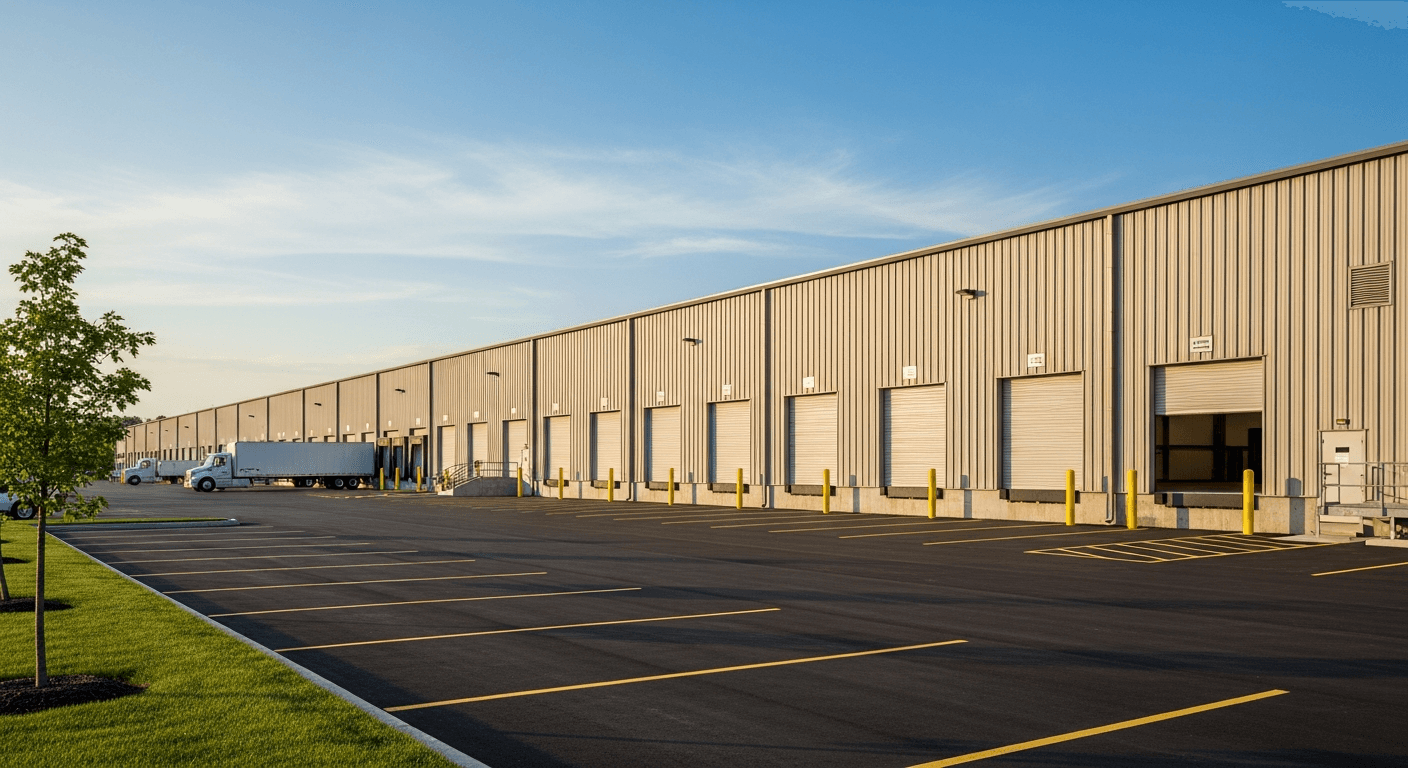
Most people know what has to go inside long before they know which building that is. Tell us what it has to do, and we'll match it — from an open carport to a fully enclosed commercial span.
On the coast this is a serious review; inland it is lighter. Find your county below and ask the two questions that follow.
Charleston, North Charleston, Columbia, Greenville, Rock Hill and Mount Pleasant each run their own permitting, and the coastal municipalities add wind and flood requirements on top. Expect to file.
The county office handles it, and requirements vary. Along the coast, flood zone and elevation come before anything else and are the requirement most likely to change where a building can sit.
Engineer-stamped drawings for any jurisdiction that requires them. Confirm what your county asks for, tell us what it is, and we certify the building to it with the cost of certification shown up front.
Search a city or a county and we'll tell you which one you're in and who issues the permit there. No form, no email.
* Design wind speed and ground snow load are declared by each jurisdiction — the International Residential Code prints both blank for the local authority to fill in (Table R301.2).
This is the list we publish, not a boundary. A town on it is certainly covered; a town missing from it is a question rather than a no. Search for yours below, and if it is not here, one call settles it before you spend anything.
The five or six things people ask before they order, answered for this state rather than in general.
Give us the county and what the building is for, and you'll get a price that reflects both — not a number off a national list.